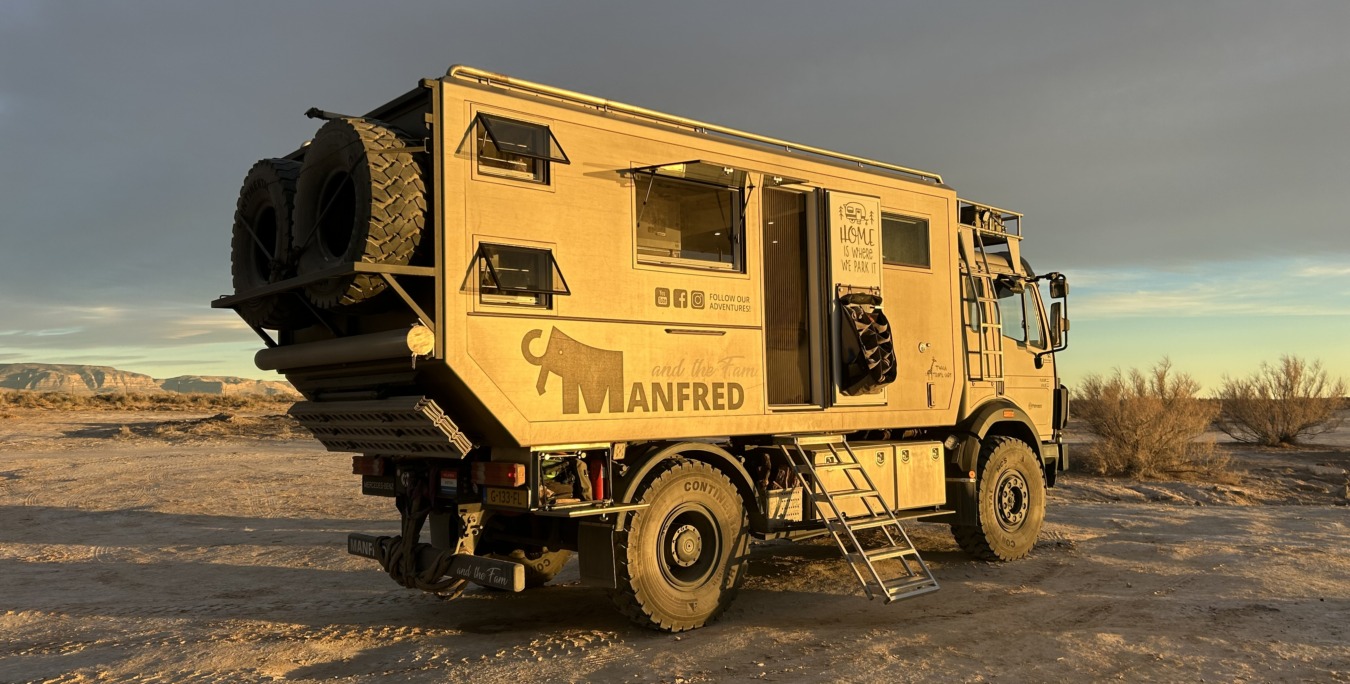
Within the expedition vehicle world, Iveco is known for relatively simple engineering, compact dimensions and good off-road performance relative to the vehicle’s size. This offers advantages especially on narrow mountain roads, in cities or in remote areas. At the same time, the Daily 4x4 and Eurocargo differ considerably from one another. This becomes immediately noticeable in size, off-road capability, payload capacity and body construction possibilities.
Why are Iveco vehicles commonly used for expedition vehicles?
Within the expedition vehicle world, Iveco chassis are mainly appreciated for their compact size, relatively low weight and practical usability on a wide range of routes.
The Iveco Daily 4x4 in particular is popular among travellers who intentionally choose a smaller and more manoeuvrable vehicle than a traditional expedition truck such as a MAN TGS or Mercedes-Benz Atego.
Thanks to its compact dimensions, the vehicle remains more practical on narrow mountain roads, in cities and during ferry transport. At the same time, the Daily 4x4 still offers sufficient off-road capability for unpaved routes, gravel roads and technical terrain.
It is precisely this combination of compact size, off-road capability and simplicity that makes Iveco an attractive platform for many overlanders building an expedition vehicle.
Which chassis suits your travels best?
Discover the possibilities and find the perfect foundation for comfort, freedom, and adventure. Whether you’re planning weekend getaways, long road trips, or life on the road, the right chassis makes all the difference. Explore the options, compare features, and choose the setup that perfectly matches your travel style and ambitions.
Differences between the Iveco Daily 4x4 and Iveco Eurocargo
Although both vehicles are used within the expedition world, they were designed for different purposes. The choice between a Daily 4x4 or Eurocargo affects off-road capability, living space, payload capacity and comfort during long journeys.
Iveco Daily 4x4
Within the expedition vehicle world, the Iveco Daily 4x4 occupies a unique position. In terms of size, the vehicle sits between a traditional off-road vehicle and a classic expedition truck. This allows the Daily 4x4 to combine compact dimensions with serious off-road capability.
Compared to larger vehicles such as a MAN TGM or Mercedes-Benz Atego, the Daily remains noticeably lighter, narrower and more manoeuvrable. This is exactly why the Iveco Daily 4x4 is popular among travellers who prefer compact travel and regularly drive narrow routes, mountain roads or technical terrain. The Daily is also a popular choice for overlanders who consciously focus on weight reduction or prefer building a simpler vehicle than a large expedition truck.
Because of its compact dimensions, a Daily 4x4 feels agile on unpaved roads, in cities and during ferry transport. At the same time, the vehicle offers enough capability for mud, gravel roads, snow and off-road routes. The relatively simple engineering and smaller turning circle also make the vehicle practical for long-distance travel outside Europe.
Within the world of compact overland vehicles, the Iveco Daily 4x4 is therefore often chosen by travellers who value flexibility, compactness and off-road capability more than maximum living space or extremely heavy body constructions.
Iveco Eurocargo as a base for an expedition vehicle
The Iveco Eurocargo was developed as a medium-duty truck and is used within the expedition world for larger and more comfortable body constructions. Compared to an Iveco Daily 4x4, the Eurocargo offers more payload capacity, more stability and more room for larger habitation units and technical systems.
This makes the vehicle suitable for long-distance world travel with larger water tanks, extensive energy systems and increased storage capacity. At the same time, a Eurocargo often remains more compact and lighter than larger MAN or Mercedes-Benz trucks.
Within the expedition vehicle world, the Eurocargo is therefore often chosen by travellers who want to combine greater living space with a relatively compact truck chassis.
What should you consider when choosing an Iveco Daily 4x4 or Eurocargo?
With an Iveco Daily 4x4, total vehicle weight plays a major role. The vehicle is relatively compact and lightweight, which means heavy body constructions directly affect driving behaviour, stability and off-road performance.
- Large battery systems, heavy furniture, motorcycles or additional water tanks quickly increase the centre of gravity and place more stress on axles and suspension components.
- Wheelbase is also important. A longer habitation unit provides more living space, but reduces off-road angles and manoeuvrability on narrow routes or technical terrain.
- Tyre choice also plays a significant role. Many Daily 4x4 vehicles are used on mixed terrain, making all-terrain tyres a good balance between road comfort and off-road grip.
With an Iveco Eurocargo, attention shifts more towards weight, rear overhang and habitation unit size. Because of the higher payload capacity, there is a stronger tendency to build larger and heavier vehicles. This directly affects fuel consumption, off-road capability and chassis load.
Especially excessive rear overhang creates more movement at the rear of the vehicle during off-road driving and increases the risk of damage.
Total vehicle height also deserves attention. Larger habitation units on a Eurocargo can easily exceed 4 metres in height, which affects stability, ferry costs and accessibility of certain routes or regions.
Get inspired
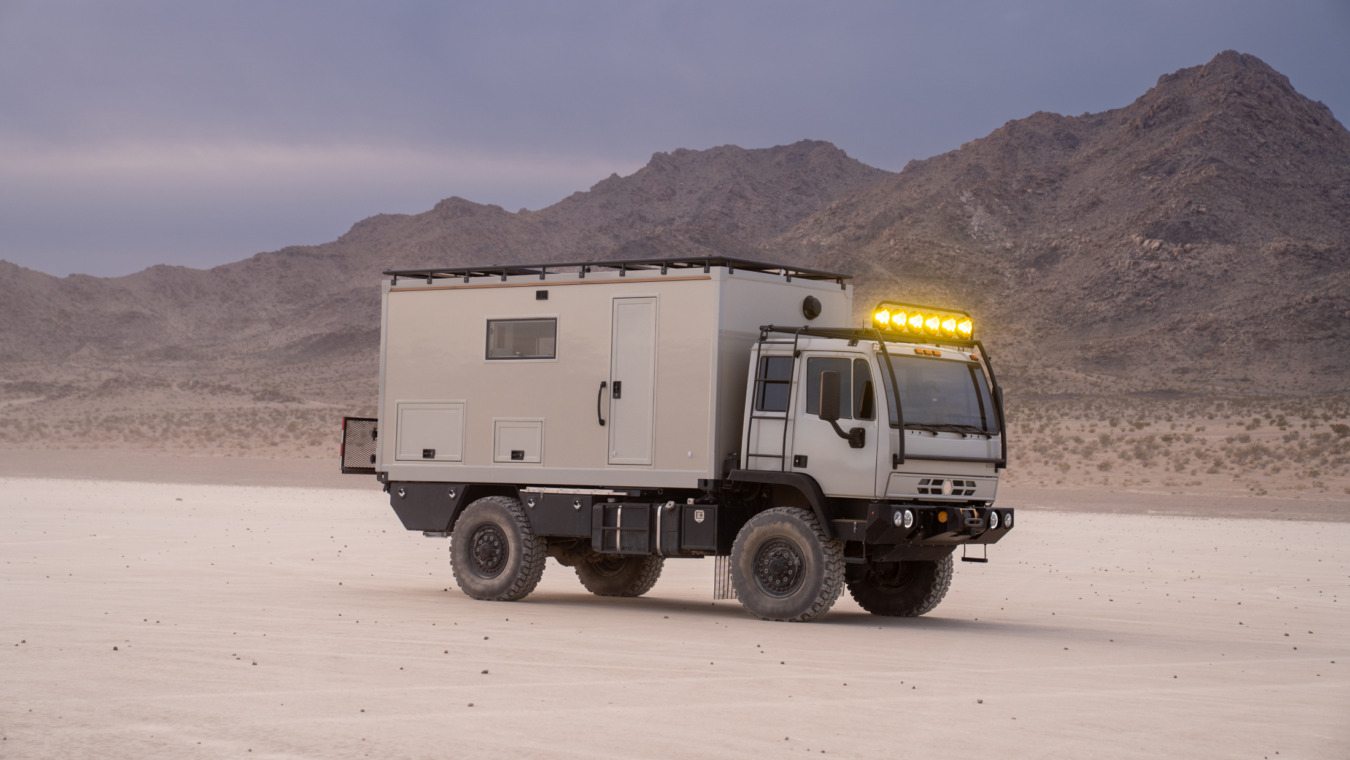
Discover this Acela Monterra 4x4 Expedition vehicle by 4xploration
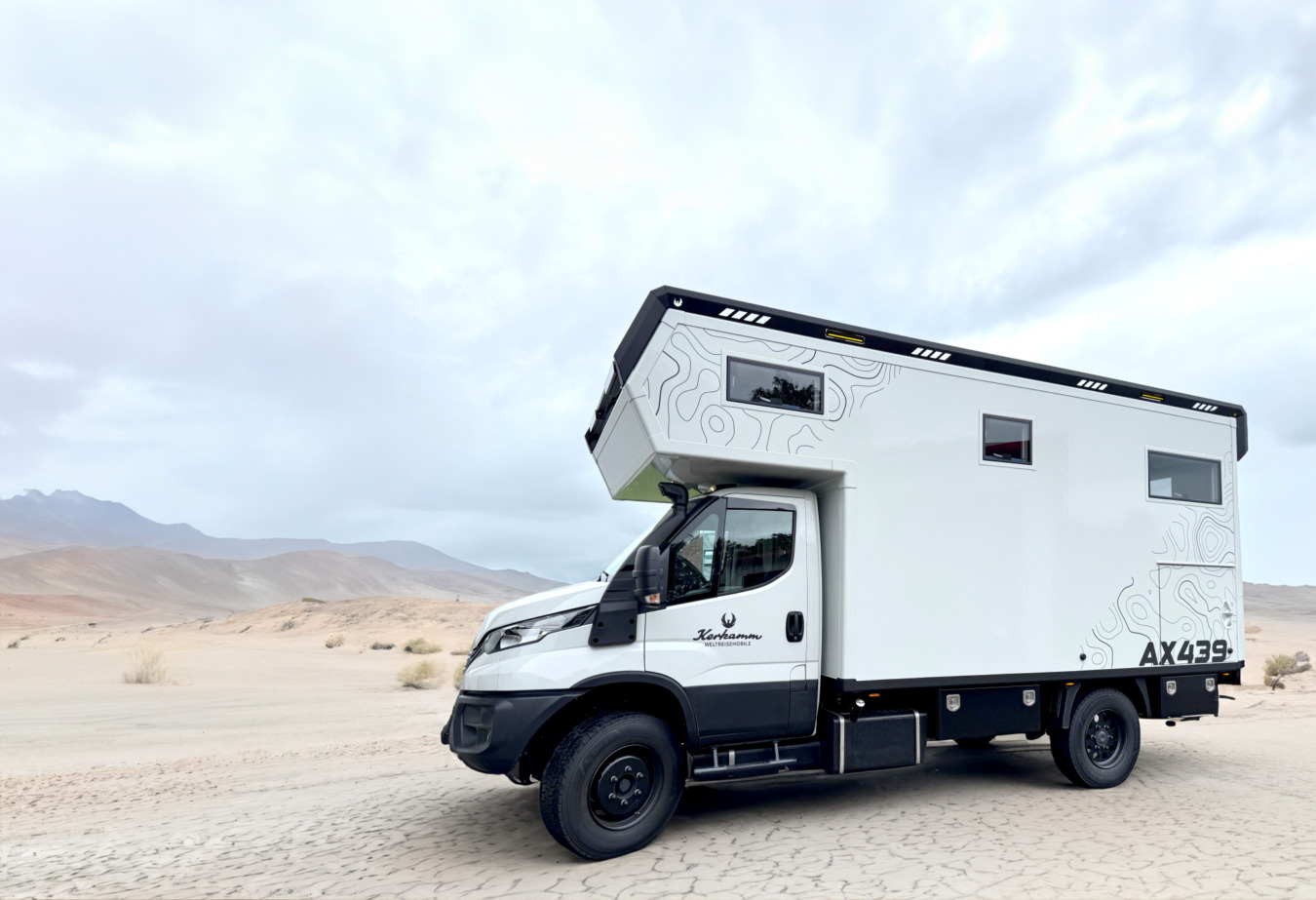
Discover this Iveco Daily 4x4 Expedition vehicle by Kerkamm
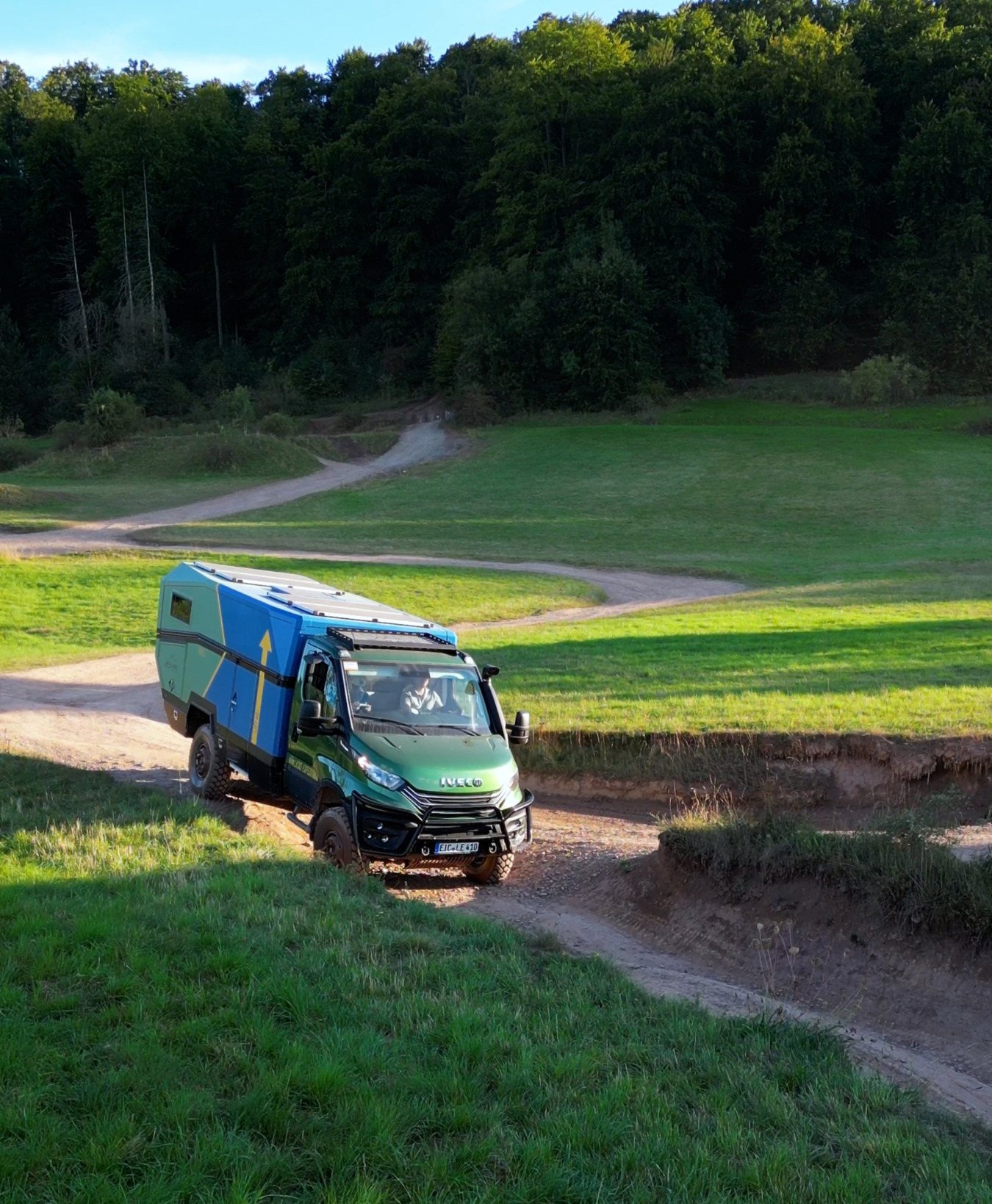
Discover this Iveco Daily 4x4 Expedition vehicle by Laske Expedition
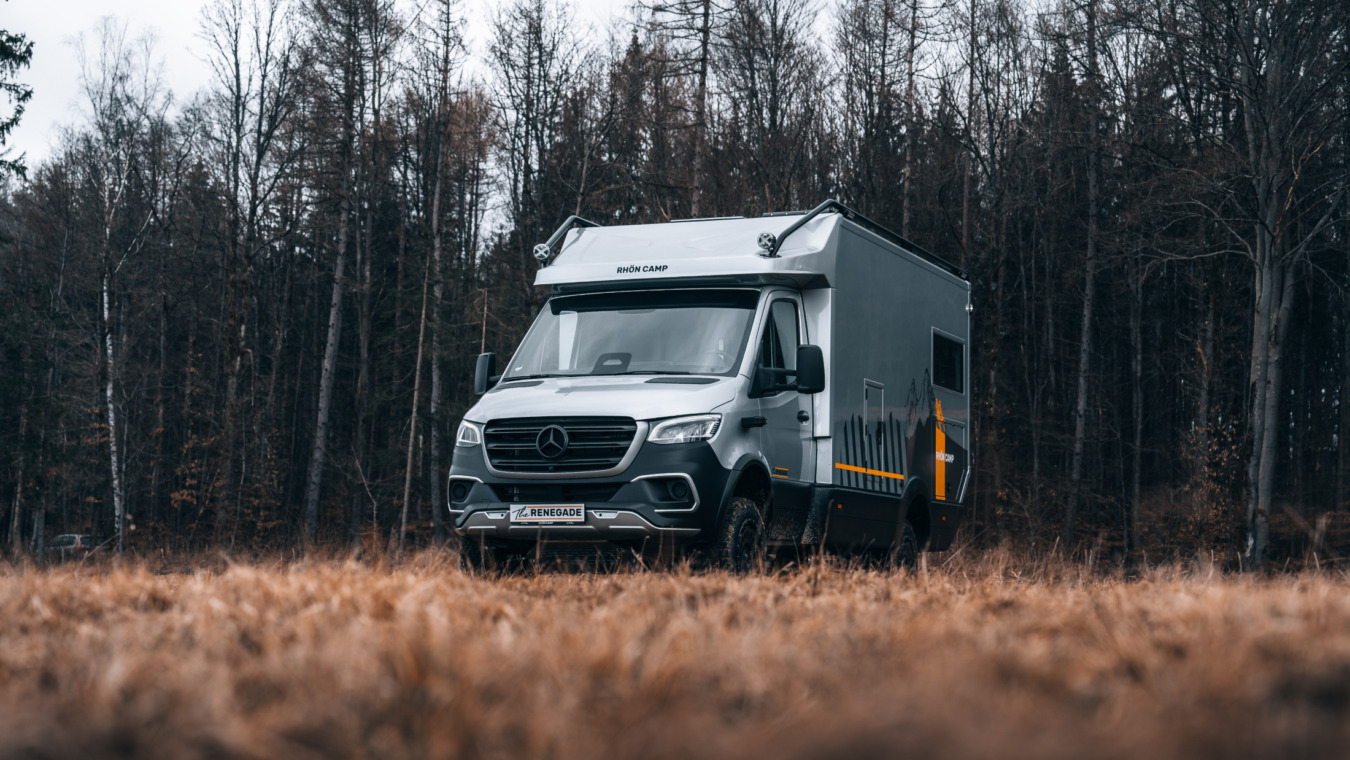
Discover this Mercedes Sprinter 4x4 Expedition vehicle by Röhn Camp
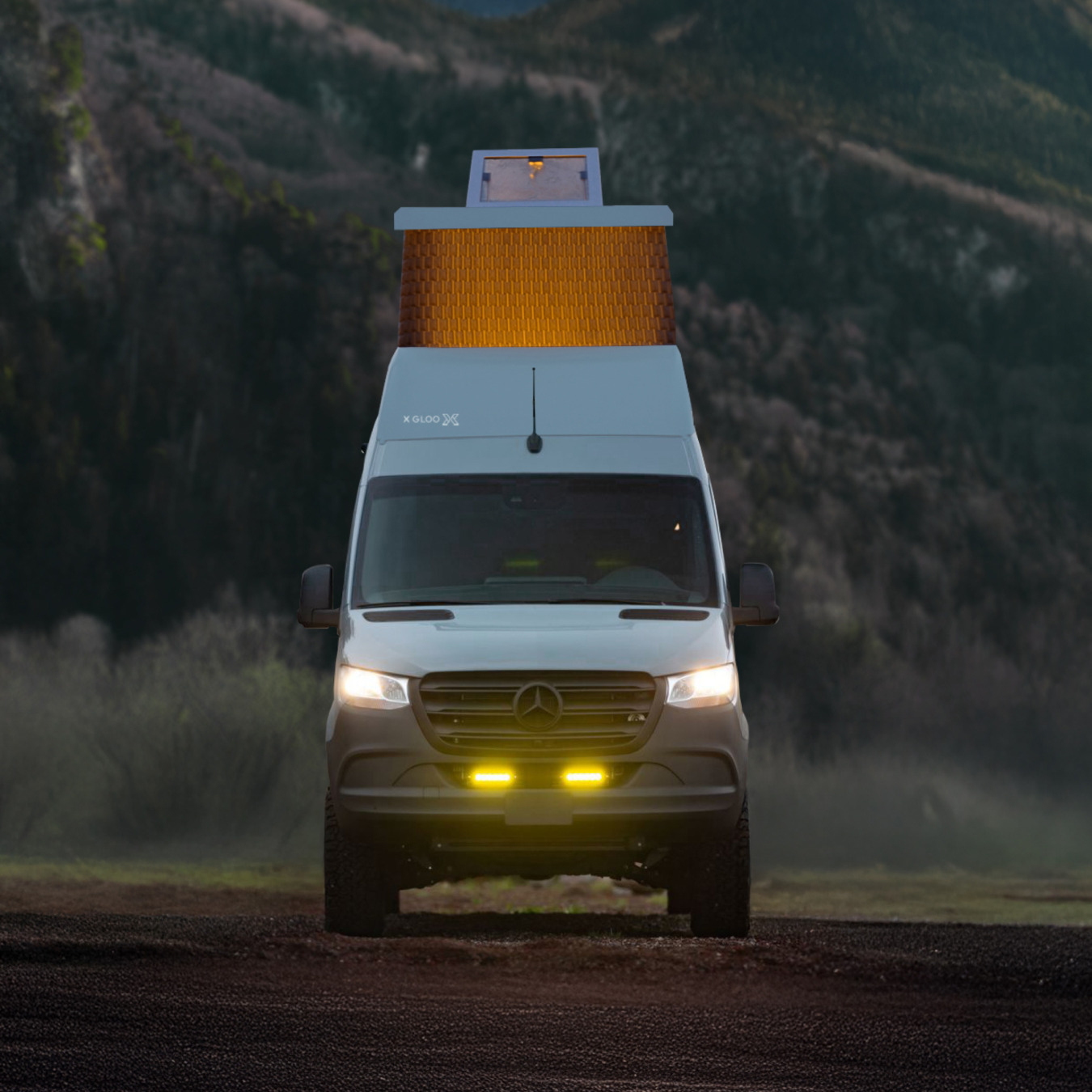
Discover this Mercedes Sprinter Pop-Top Roof by XGLOO
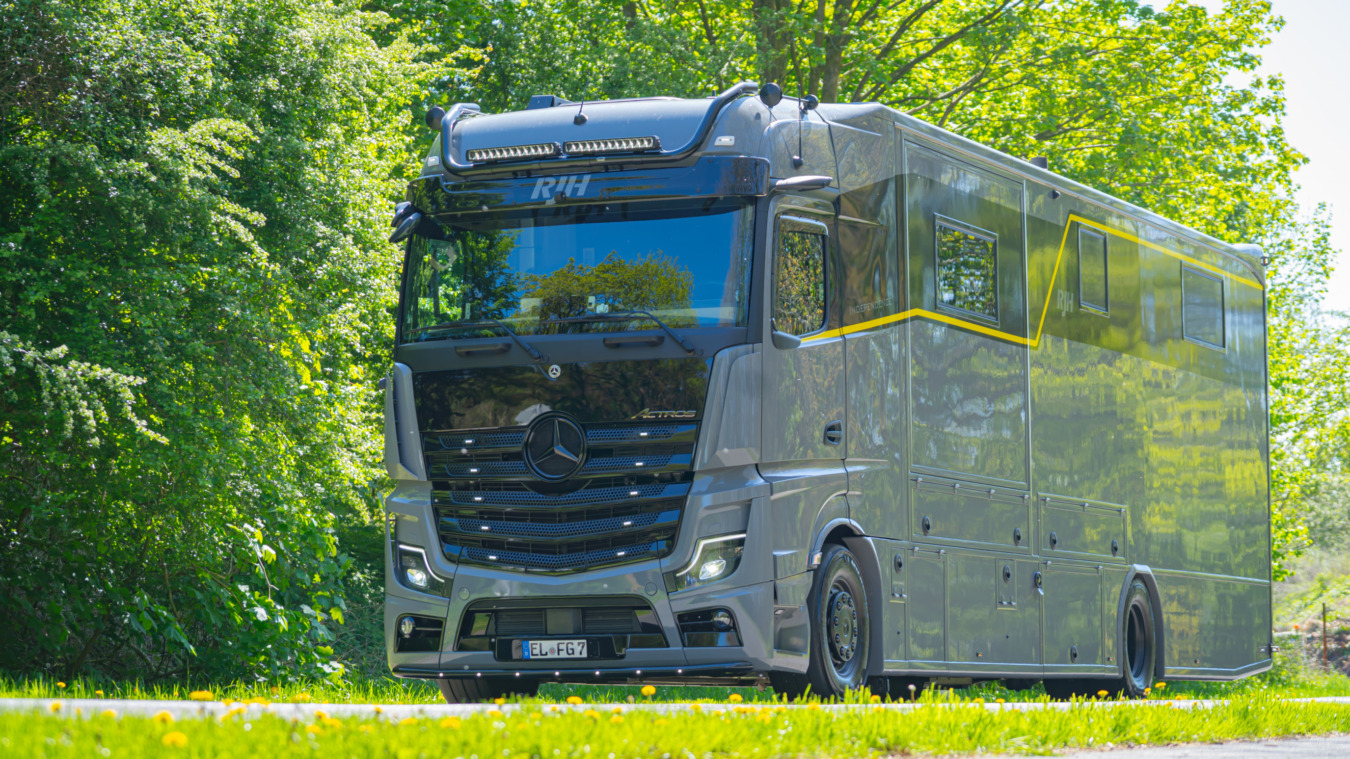
Discover this Mercedes Actros Motorhome by RJH Reisemobile
Frequently asked questions about Iveco Daily 4x4 and Eurocargo expedition vehicles
The Daily 4×4 is more compact, lighter and more focused on flexibility and off-road capability. The Eurocargo offers more space, greater payload capacity and more comfort during long journeys.
Many overlanders choose the Iveco Daily 4×4 because of its combination of compact dimensions, relatively low weight and strong off-road capability. In practice, this offers several advantages during long-distance travel and off-road use:
- Easier driving on narrow mountain roads and in cities
- More manoeuvrable in technical terrain
- Lower weight than larger expedition trucks
- Often better fuel efficiency
- Easier transport by ferry or container
- Less noticeable and more practical for daily use
- Lower purchase and operating costs
- Sufficient off-road capability for most overland routes
This combination makes the Daily 4×4 especially popular among travellers who value flexibility and simplicity more than maximum living space or extremely heavy body constructions.
A common mistake with an Iveco Daily 4×4 is building the vehicle too heavy or too tall.
The compact dimensions, relatively low weight and manoeuvrability are exactly what make the Daily attractive as an expedition vehicle. When a large habitation unit, heavy battery systems, large water tanks or extensive technical systems are added, those advantages quickly disappear.
A high centre of gravity also becomes a major factor. Especially on slopes, in technical terrain or on rough tracks, the difference between a compact and an overly heavy Daily 4×4 becomes immediately noticeable.
That is why a well-designed Iveco Daily build is usually about balance and efficient use of available space rather than maximising living space.
For technical terrain and demanding off-road conditions, Mercedes-Benz Unimog vehicles are most commonly chosen because of their portal axles, high ground clearance and large axle articulation.
Large MAN TGS and Mercedes-Benz Atego vehicles generally offer more space for larger habitation units than a Unimog or Iveco Daily 4×4.
A common mistake is building a body construction that is too heavy or too tall. This reduces the off-road capability and balance that make a Unimog so effective.
Portal axles are axles where the wheel centre sits lower than the axle itself. This creates additional space between the axle and the ground, resulting in much greater ground clearance without requiring oversized tyres. Because of this, a Mercedes-Benz Unimog can drive through deep ruts, mud, rocks and technical terrain more easily than many other expedition vehicles.
Portal axles create more ground clearance below the axles without requiring extremely large tyres. This allows a Unimog to handle obstacles, deep ruts and rocky terrain more easily.
A large habitation unit affects the centre of gravity, stability and off-road performance. That is why many Unimog body constructions remain more compact than Atego or MAN TGS vehicles.
The wheelbase largely determines the turning radius, off-road angles and maximum habitation unit length. A longer wheelbase provides more living space but reduces off-road capability.
Because of the reliability, strong engineering, worldwide parts availability and broad usability in different conditions.
Not always. A 6×6 offers more payload capacity and traction, but also brings additional weight, maintenance and fuel consumption.
For many travellers, a MAN TGM 4×4 offers a good balance between off-road capability, weight and living space. Larger builds are more often based on a TGS.
The MAN TGM is more compact and lighter. The MAN TGS is larger, stronger and designed for heavier body constructions.