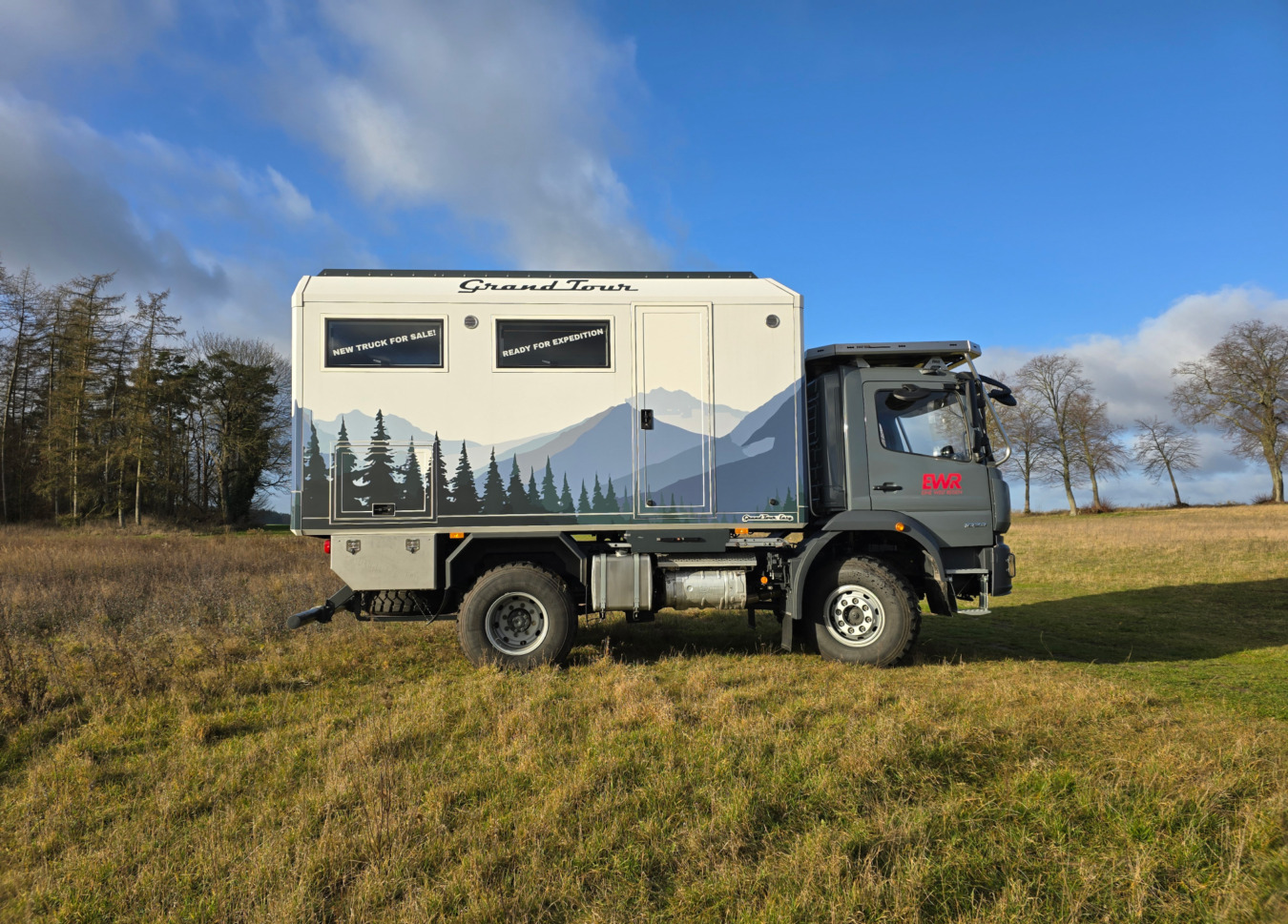
What is a campervan?
At its core, a campervan is a compact, motorized vehicle that serves as both a means of transport and a mobile living space. Unlike larger motorhomes or expedition trucks, a campervan is typically built on the chassis of a standard van (such as a Volkswagen Transporter, Mercedes-Benz Sprinter, or Fiat Ducato), making it agile in traffic and easy to park in urban areas. While living space is more limited, a cleverly designed campervan offers all the essential facilities for life on the road, including a sleeping area, a compact kitchen, and often innovative storage systems. It is the ultimate choice for travelers who prioritize stealth camping and flexibility, blurring the line between an everyday vehicle and an adventurous home on wheels.
DIY, custom build, or ready-to-go: which route will you choose for your campervan?
When you decide to seek the freedom of the road, you face a crucial choice: how will your ideal campervan come to life? Today’s market offers a fitting route for every type of traveler. You can opt for a ready-to-go factory camper, allowing you to drive off immediately with a proven design and a full warranty. For creative adventurers, a DIY build is the ultimate way to design a vehicle entirely to your own specifications, from the insulation to the layout. However, if you have a specific design in mind but lack the time or technical expertise, having your camper built by a professional is the perfect middle ground. Specialized van builders can transform a base van into a high-quality, unique vehicle that meets all technical requirements and your personal wishes. Whether you choose a quick start or a long-term project, the foundation of a well-built camper always begins with the right balance between weight, insulation, and high-quality components.
Buying a ready-made camper
If you want to start traveling quickly and value convenience, a ready-made camper is often the preferred choice. These are fully equipped and ready to use. There are various types available, from compact camper vans to spacious integrated motorhomes.
Advantages:
- Immediately available and ready to drive
- You know exactly what you are buying
- Suitable if you have limited technical knowledge
Disadvantages:
- Limited influence on layout and material choices
- Often more expensive than self-build at a similar level of finish
- Dependent on what is available on the market
A ready-made camper is ideal if you want to travel without diving into the technical aspects. Still, it is important to pay attention to the materials used, the level of insulation, and the quality of windows and doors. Comfort on the road is often determined by these details, especially in changing weather conditions. In some cases, components can be replaced or upgraded. For example, you can choose Outbound windows or ventilation solutions to improve comfort and durability.
Planning a camper build?
Get in touch if you want to explore the options. We’re happy to support you throughout the entire process.
Building or converting a camper yourself
Building your own camper offers maximum freedom. You typically start with a van such as a Fiat Ducato, Mercedes Sprinter, or Ford Transit and design the interior entirely to your needs.
Advantages:
- Full control over layout, materials, and technical choices
- More cost-effective than buying new at comparable quality
- A personal and educational project
Disadvantages:
- Time-consuming, especially without experience
- Requires technical knowledge and tools
- Knowledge of insulation, electrics, and ventilation is needed
When building yourself, it is important to use reliable and suitable components. Think of thermally broken windows, well-sealing doors, and dependable ventilation systems. Outbound supplies components that contribute to a comfortable and safe camper, also for long trips and off-grid use. By building yourself, you also get to know your vehicle in detail, which is valuable when adjustments or repairs are needed during travel. Self-build also allows for customization: a compost toilet, workspace, or specific storage layout. However, keep in mind the requirements of authorities such as the RDW if you want to officially register the vehicle as a camper.
Having a camper built by a professional
If you want a camper tailored to your needs but prefer to outsource the build, you can work with a professional camper builder. You define the layout, components, and finish, and the builder executes the project.
Advantages:
- Fully customized to your needs and usage
- Technically well executed
- Saves time and avoids building stress
Disadvantages:
- More expensive than self-build
- Longer lead times
- Dependent on the builder’s planning and approach
Professional builders often work with proven brands and components. With Outbound windows, doors, and roof hatches, you build a camper that is not only comfortable but also technically sound. We supply both self-builders and professional builders. In consultation with the builder, you can specify Outbound components, for example due to insulation performance, ventilation capacity, or finish quality. This results in a vehicle that is solidly built, with attention to ventilation, insulation, and proper installation. For intensive use or off-grid travel, a well-built structure is essential. Think of insulated windows, robust hinges, and roof hatches that perform reliably in wind and rain.
What should you consider when buying a camper?
Whichever route you choose, ready-made, self-build, or custom, the success of your camper depends on the right technical decisions. Pay attention to the following:
- Insulation: Prevents condensation, cold, and heat loss. Essential for comfort in different seasons.
- Ventilation: Proper airflow prevents moisture issues and ensures a healthy indoor climate.
- Weight: Choose materials that are both strong and lightweight. Excess weight affects driving, regulations, and safety.
- Layout: Keep it practical and aligned with your travel style. Fixed layouts are stable but less flexible.
- Maintenance and accessibility: Ensure installations remain accessible for repairs or adjustments on the road.
Outbound components are designed with these factors in mind. They are built for long-term use and consistent performance under varying conditions.
Get inspired
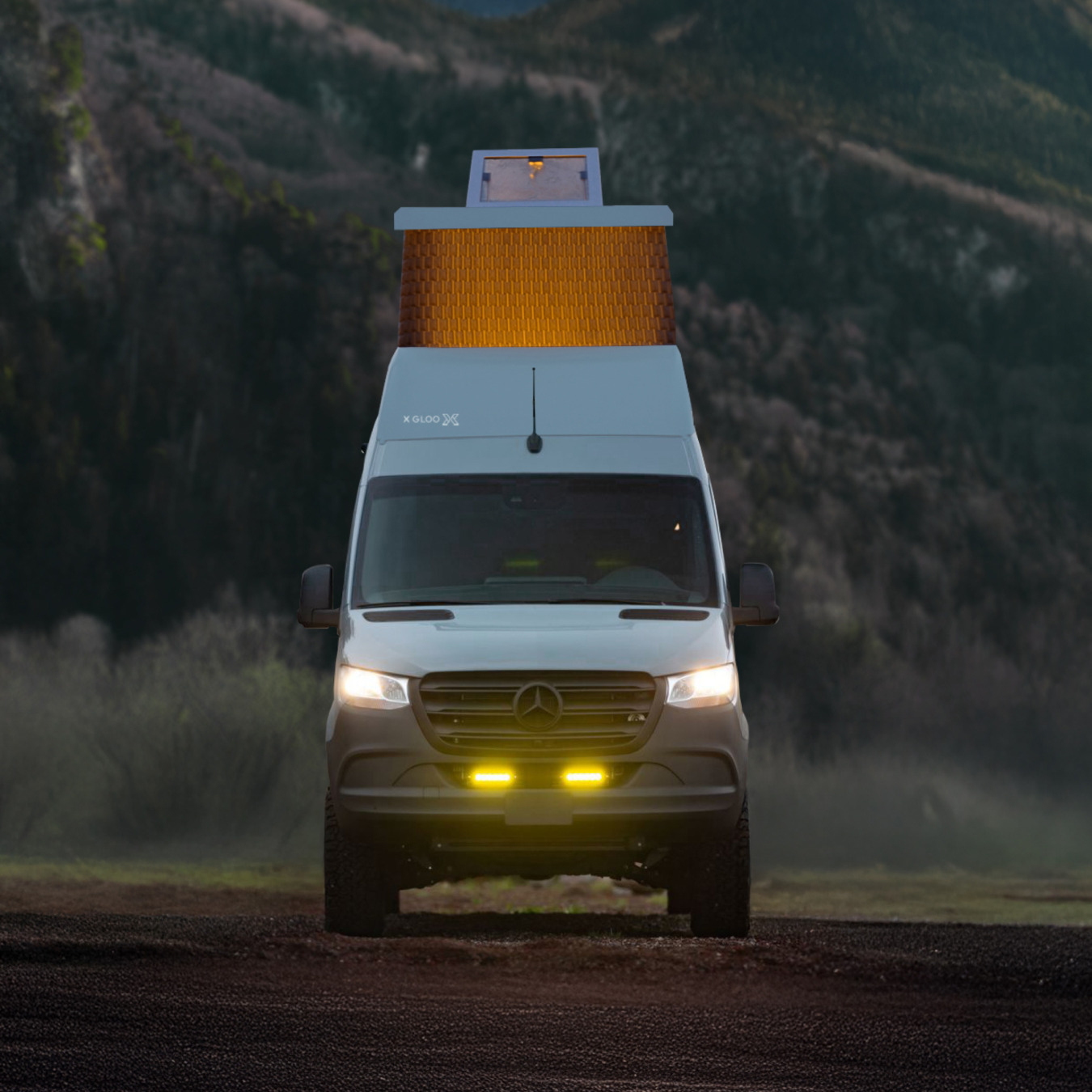
Discover this Mercedes Sprinter Pop-Top Roof by XGLOO
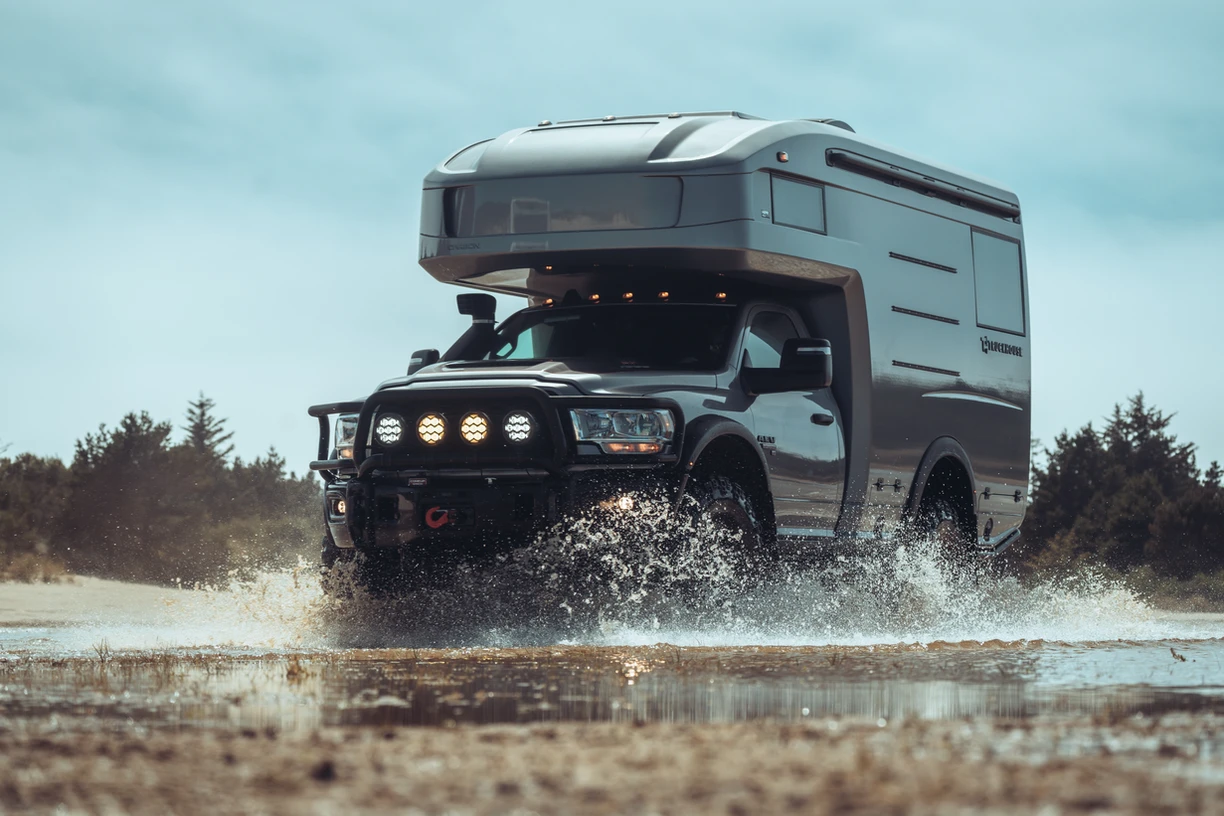
Discover this Dodge RAM 3500 Expedition vehicle By Truckhouse
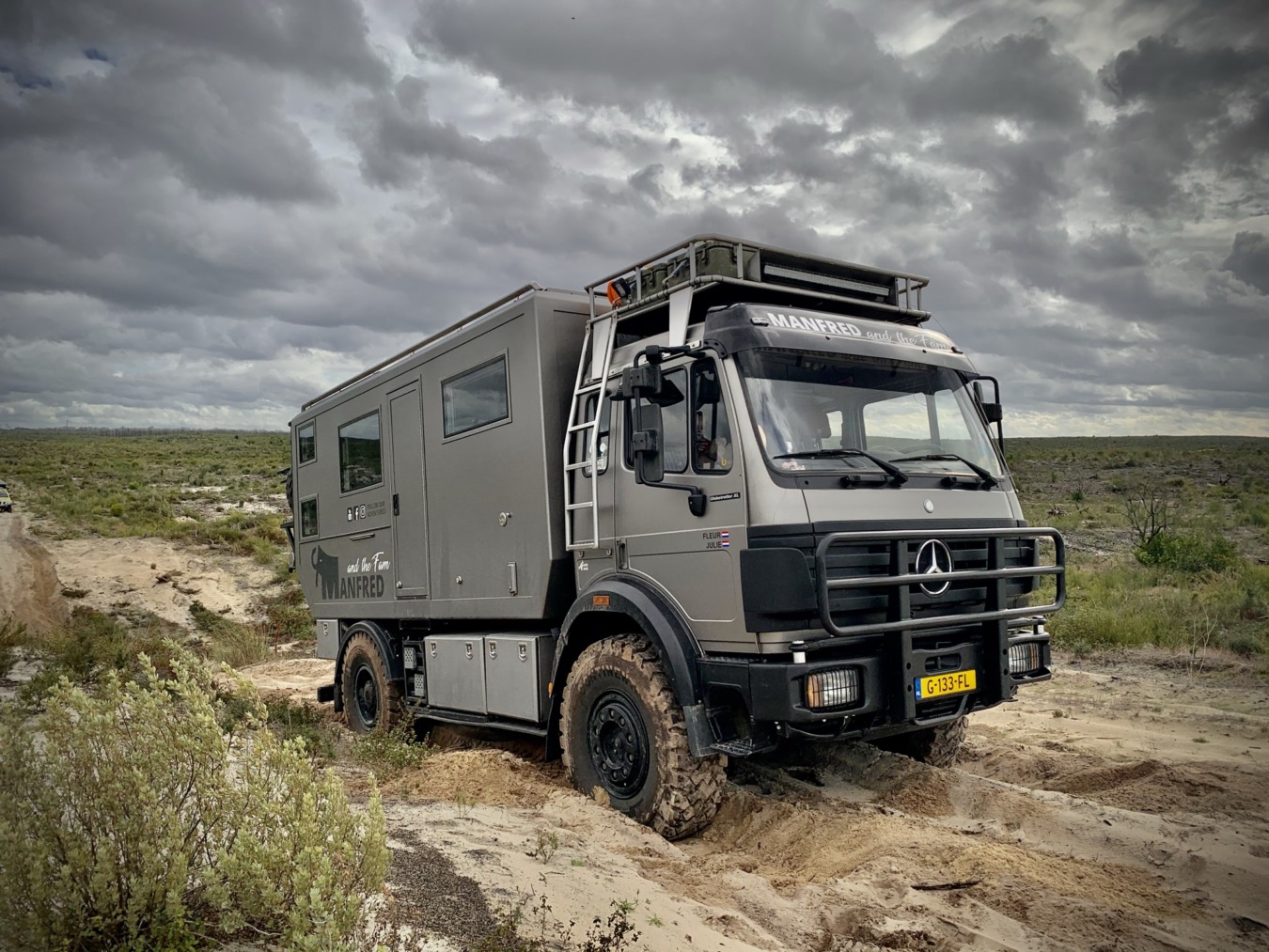
Discover This Mercedes SK1722 4×4 from Manfred and the Fam by Twiga
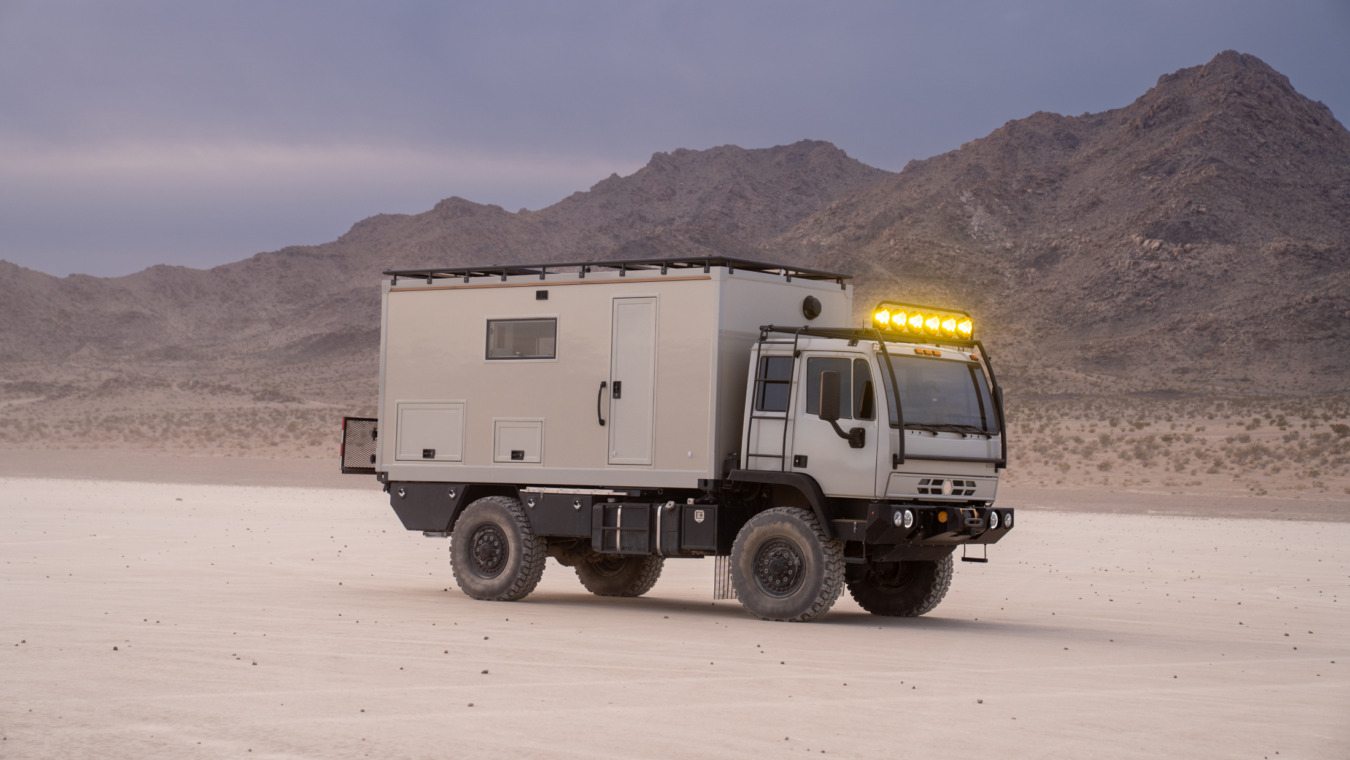
Discover this Acela Monterra 4x4 Expedition vehicle by 4xploration
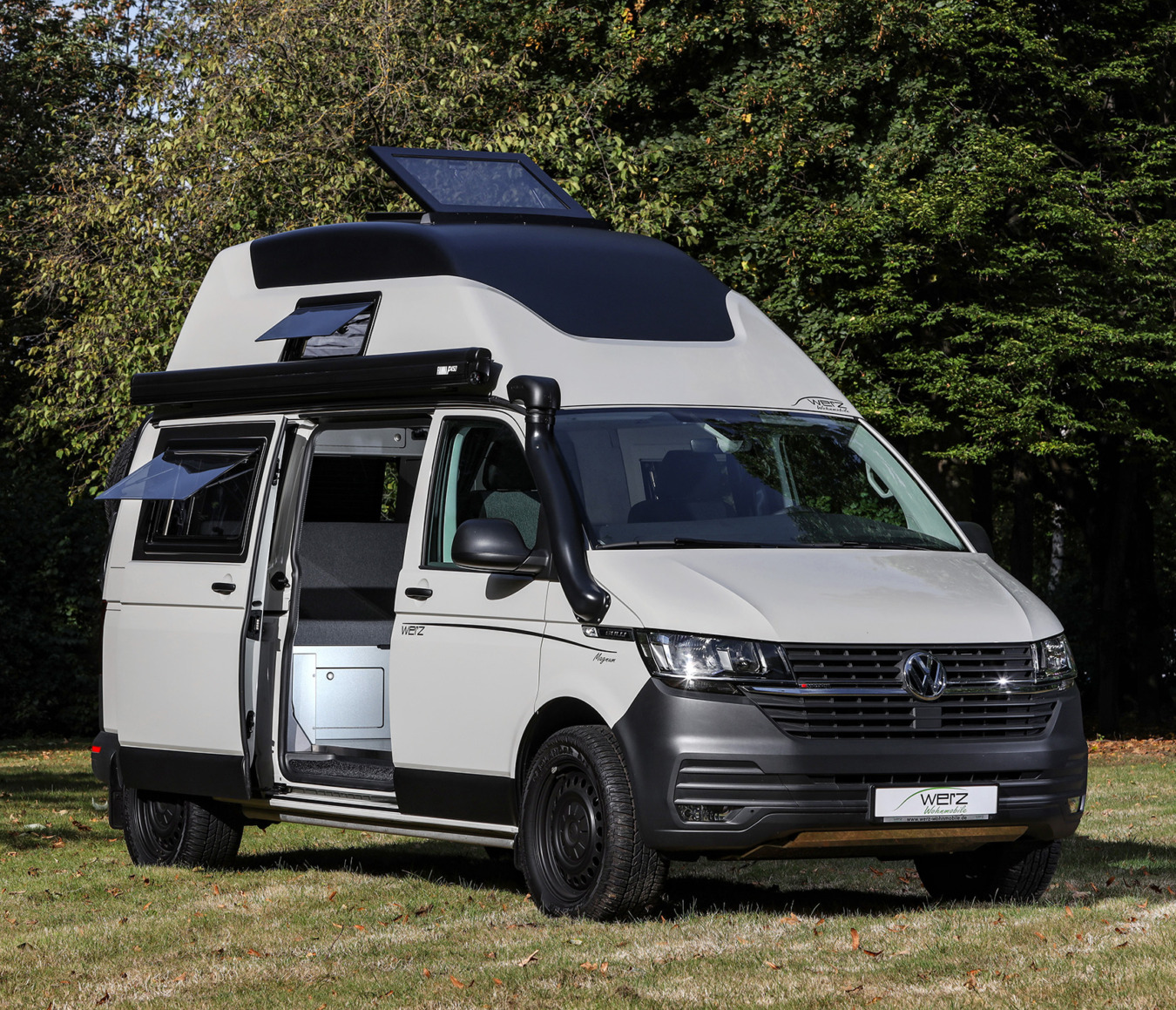
Discover this Volkswagen T6 Campervan by Werz
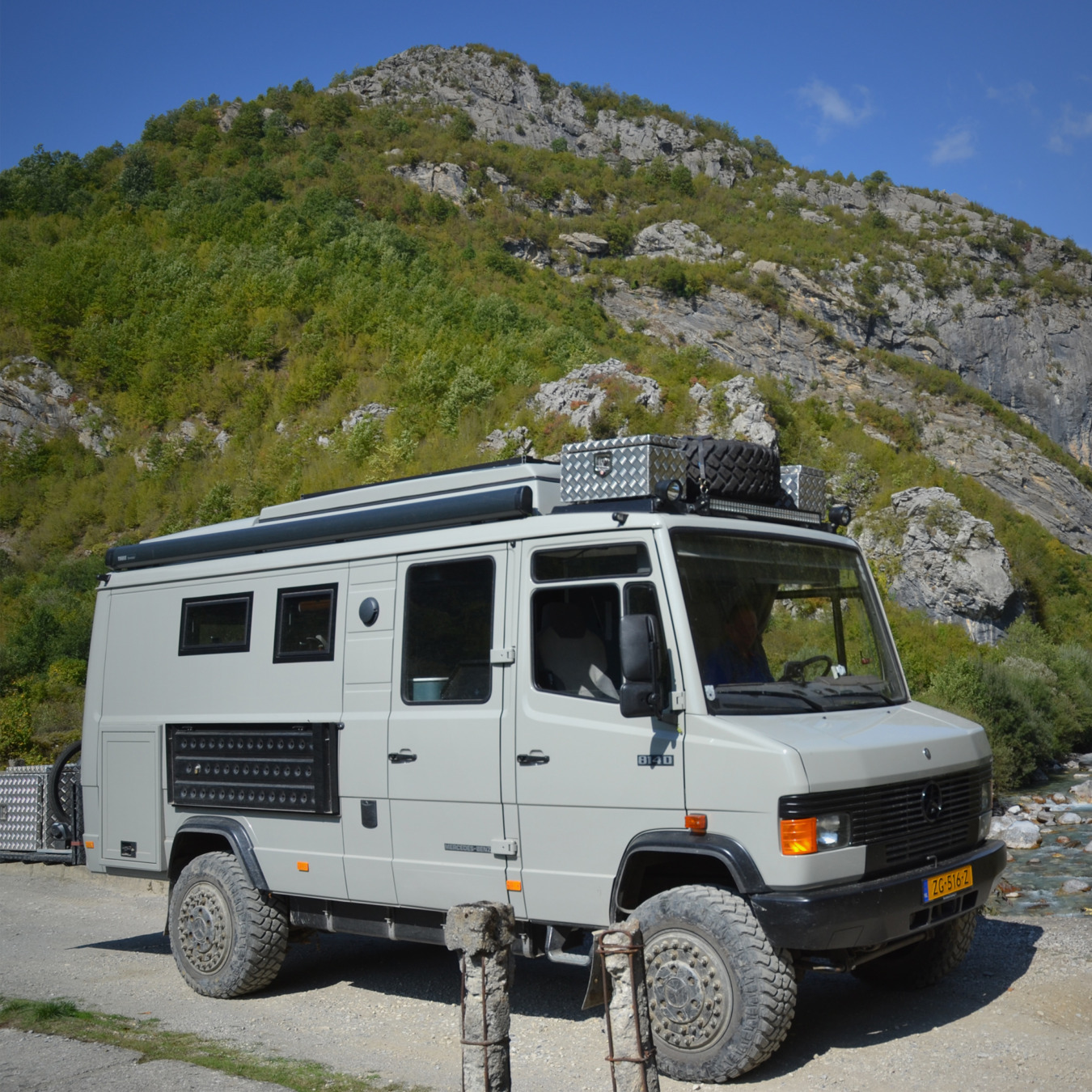
Discover this Mercedes Vario 4×4 Expedition vehicle
Frequently asked questions
Het bouwen van een expeditievoertuig of campervan brengt veel technische vragen met zich mee; hieronder vind je de antwoorden op de meest gestelde vragen over onze hardware en installatie.
Yes, our components are designed to help DIY builders achieve a professional-grade finish. Building your own camper is a massive learning curve, and the last thing you want is a “DIY look” or, worse, a leak. To support self-builders, Outbound provides detailed technical documentation and CAD files. This allows you to plan your cuts with millimeter precision before you even touch your vehicle. By choosing our thermally broken windows and robust doors, you eliminate the most common DIY failure points—poor insulation and water ingress. While self-building requires time and technical research, our high-quality hardware ensures that your “educational project” results in a safe, quiet, and perfectly insulated home on wheels that meets official inspection standards.
Absolutely. Many professional camper builders and expedition truck specialists already work with Outbound because of our high quality and ease of installation. Even if your builder typically uses other brands, you can specify Outbound windows, doors, or hatches in your design phase. Because we provide detailed CAD files and technical support, builders can easily integrate our hardware into their production process. By choosing Outbound through your professional builder, you ensure that your custom vehicle is equipped with the best possible thermal insulation and security, while the builder provides the expert craftsmanship for a seamless, warranted installation.
Standard aluminum window frames often act as a “thermal bridge,” allowing outside cold to transfer directly to the interior, resulting in wet walls and mold. Our windows and doors are engineered with a full thermal break. This means the inner and outer frames are structurally separated by a non-conductive material. By eliminating this cold bridge, the interior frame stays at room temperature, preventing condensation from forming on the casing. Combined with our high-performance double glazing, this ensures your camper stays warm in the winter, cool in the summer, and—most importantly—dry in all seasons.
Yes. Our products can be integrated into existing campers, including older vehicles. This makes them suitable for upgrades or technical improvements.
Yes. Many of our windows, doors, and roof hatches are used to upgrade existing campers, for example to improve insulation or ventilation.
The cost of a camper varies widely depending on your approach. A used camper depends on condition, vehicle type, and technical setup. New campers are more expensive due to finish, modern systems, and warranty. Converting a van yourself requires less financial investment in labor but more in time, knowledge, and materials. A professionally built camper reflects customization, craftsmanship, and reliability. In all cases, the quality of components, such as insulated windows, solid doors, and proper ventilation, plays a key role in both cost and comfort.