When is a vehicle officially considered a camper for RDW?
Many builders start with layout, insulation, and technical systems. That is understandable. Still, it is important to take legal requirements into account from the beginning. This prevents adjustments later and helps ensure a safe and approved vehicle.
If you are building a camper in the Netherlands and want to register it as a motorhome, the vehicle must be inspected by the RDW. During this inspection, the focus is on the modifications made for living purposes.
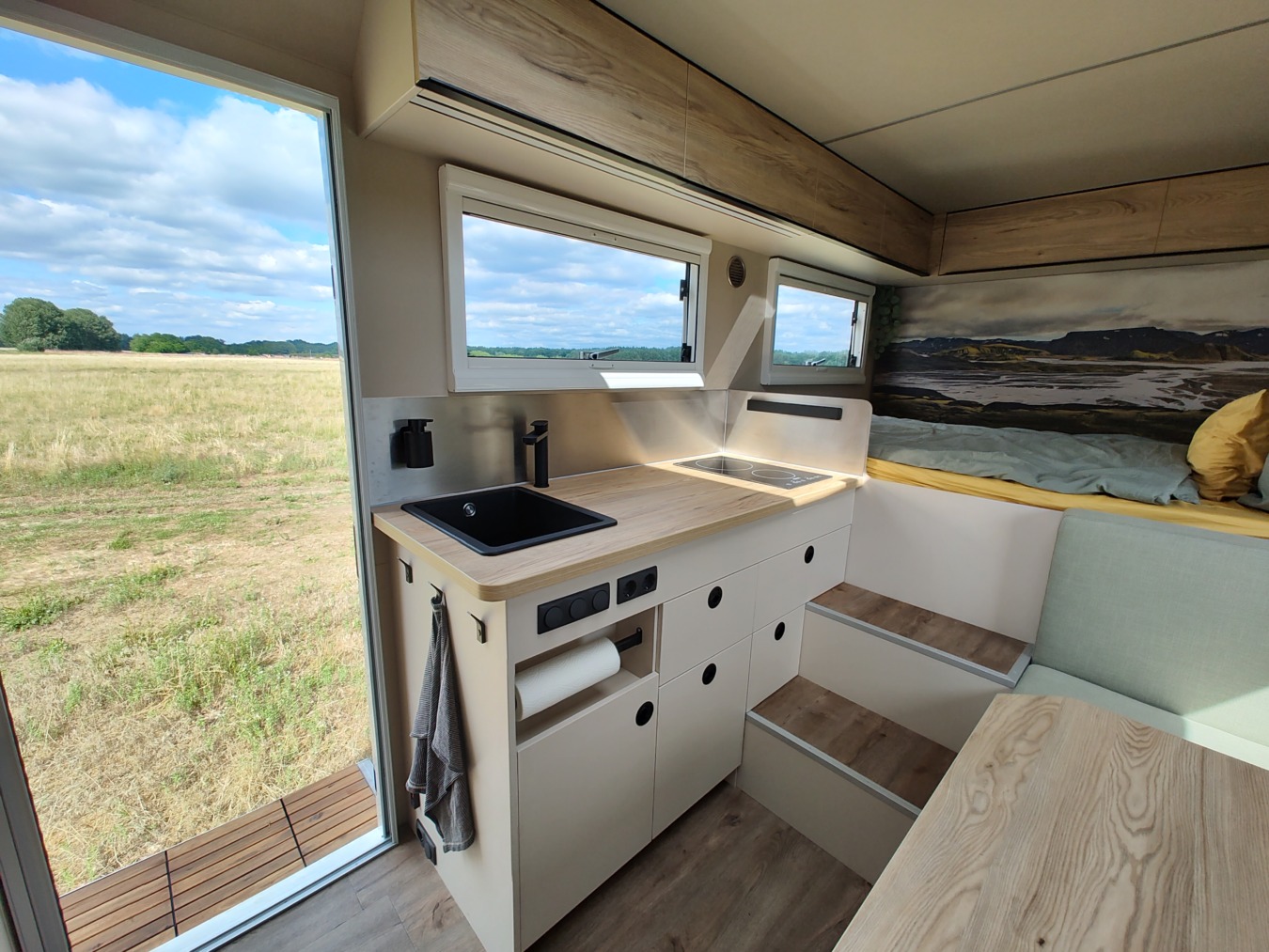
But when is a vehicle officially considered a camper? The RDW sets clear requirements for the interior. Your vehicle must include at least two seats, a table (which may be removable), sleeping places for two people, cooking facilities, and storage space. All of these must be properly integrated into the living area. The entire interior must be securely fixed so that nothing can shift while driving. Details matter. Sharp edges around seating areas must be finished properly, such as table edges, window frames, and worktops.
Tax requirements for campers: what to consider when converting a vehicle
The Dutch Tax Authority sets additional requirements for campers if you want to qualify for the reduced motor vehicle tax rate. These requirements are often stricter than those of the RDW. You can only apply after RDW approval, and you must submit details such as the vehicle weight and photos of the interior.
The camper must have a fixed and usable living space with minimum interior dimensions of approximately 200 cm in length, 170 cm in height, and 90 cm in width. If the standing height is lower, this may be resolved with a permanently installed elevating roof. The interior must include at least two seats with a table, sleeping facilities with defined minimum dimensions, a fixed kitchen unit with sink and tap, and at least two lockable storage compartments. All elements must be permanently installed.
In practice, if your vehicle meets these requirements, it will usually also pass the RDW inspection. Keep in mind that converting a van into a camper often involves paying BPM, depending on the age and specification of the vehicle. Since 2026, approved campers benefit from a reduced road tax rate, making it worthwhile to approach the process carefully.
Are you converting your camper?
We’re happy to help you find the products that best suit your camper and your journey. Whether you’re looking for standard components or a custom solution for your specific project, we’re here to think along with you. Feel free to get in touch. We’re ready to support your project from start to finish.

Road tax for campers in 2026
Since 2026, campers in the Netherlands benefit from a reduced motor vehicle tax rate. Camper owners pay 50% of the standard passenger car rate, provided the vehicle is officially registered as a camper with the RDW. The exact amount still depends on factors such as vehicle weight, fuel type, and province.
If you do not use your camper year-round, it can be financially beneficial to suspend the registration temporarily. During this period, no road tax is due and the APK inspection requirement is paused, as long as the vehicle is not used on public roads. Many owners plan their usage accordingly or choose to rent out their camper to offset costs.
Paying BPM when converting a van into a camper
If you convert a panel van into a camper, BPM usually becomes part of the process. Once the RDW approves the vehicle as a motorhome and it is registered as a passenger vehicle (M1), you are required to file a BPM declaration.
This tax only applies to the vehicle itself. That includes the chassis and any factory-fitted options supplied by the manufacturer or importer, such as air conditioning, cruise control, or a reversing camera. The camper conversion itself, including furniture, electrical systems, and insulation, is not included in the BPM calculation.
There are a few important exceptions. Campers that are 17.5 years old or older are exempt from BPM. The same applies to vehicles with 0 gram CO2 emissions, such as fully electric vans. In some cases, BPM may also have been paid already by a previous private owner. Even then, it remains important to submit a BPM declaration.
Weight and driving licence
The weight of a van is a key factor when converting it into a camper. It determines not only how much you can build in, but also which driving licence is required. Vehicles up to 3,500 kg can be driven with a standard B licence. For vehicles between 3,500 and 7,500 kg, a C1 licence is required. There are plans at European level to raise the B licence limit to 4,250 kg, but it is unclear when this will be implemented in the Netherlands.
When planning your build, it is important to look at the base weight of the vehicle and the limits listed on the registration: kerb weight, maximum authorised mass (MAM), and technical maximum mass. Choosing a vehicle with a lower base weight gives you more margin for the interior, passengers, and equipment. Always verify these figures through an RDW check to ensure your build stays within legal limits.
For expedition vehicles, total weight adds up quickly. Consider the weight of the body, interior, water tanks, fuel, and accessories such as spare wheels or roof racks. Exceeding axle load limits can result in fines or rejection during inspection.
Any modifications to the chassis or frame must be carried out properly. Structural changes can affect approval and must meet technical standards to ensure the vehicle remains safe and road legal.
Other regulations for campers
Whether you are travelling within the Netherlands or abroad, there are several additional factors to consider, both during the build and while using the vehicle.
- Rules for overnight stays and parking vary by region
- Requirements for gas installations
- There are specific requirements for seating positions
- Mandatory equipment such as fire extinguishers or safety gear can vary
- Local traffic rules and vehicle size restrictions may apply
Frequently asked questions
The main difference between BPM and road tax is when you pay and what you pay for.
BPM (Passenger Car and Motorcycle Tax) is a one-time tax.
You pay it when a vehicle is first registered as a passenger car in the Netherlands. This often applies when converting a van into a camper. BPM only applies to the vehicle itself, not the camper interior. The amount is based on the original list price and depreciation.
Road tax (MRB) is an ongoing tax.
You pay it periodically, usually every quarter. Since 2026, campers benefit from a reduced rate of about 50% of the standard passenger car tax. The exact amount depends on factors such as weight, fuel type, and province.
A camper must comply with both European and national regulations regarding dimensions, weight, safety, and emissions. Within the EU, the maximum width is generally 2.55 meters (excluding mirrors), and the practical height limit is around 4 meters, depending on infrastructure. The vehicle’s total weight determines its classification and affects rules such as speed limits and road access. Campers must also meet emission standards (such as Euro 5 or Euro 6), which are important for entering low-emission zones in many cities.
In the Netherlands, additional requirements apply for a vehicle to be officially registered as a camper. It must include fixed interior features such as seating, a sleeping area, cooking facilities, and storage space, as well as a minimum standing height of around 1.70 meters over a certain area.
In many European countries, it is also mandatory to carry specific safety equipment, including a warning triangle, reflective safety vests, a first aid kit, and in some cases a fire extinguisher. Failure to meet these requirements may result in fines during inspections.
Overnight stays with a camper are safest and generally permitted across Europe at campsites and designated camper areas, such as aires and stellplätze. These locations are specifically equipped for campers and are therefore recommended. Wild camping is usually prohibited in many countries, including France, Italy, and Spain, and may result in fines. In Scandinavia, more flexible rules apply due to the “right to roam,” but this typically does not apply to campers. In the Netherlands, staying overnight on the street or in regular parking areas is generally not allowed, unless explicitly permitted.
In the Netherlands, a camper may generally be parked on public roads for a maximum of three consecutive days under the General Local Regulations (APV). For larger campers, for example those longer than 6 meters or higher than 2.4 meters, stricter rules may apply in some municipalities, and they may even be completely prohibited in residential areas. The exact regulations vary by municipality, so it is important to always check the local rules.
Parking regulations for campers vary by country and city. In many cases, parking is only allowed in designated camper areas, and it is often prohibited to park in city centers or residential areas.
Get inspired
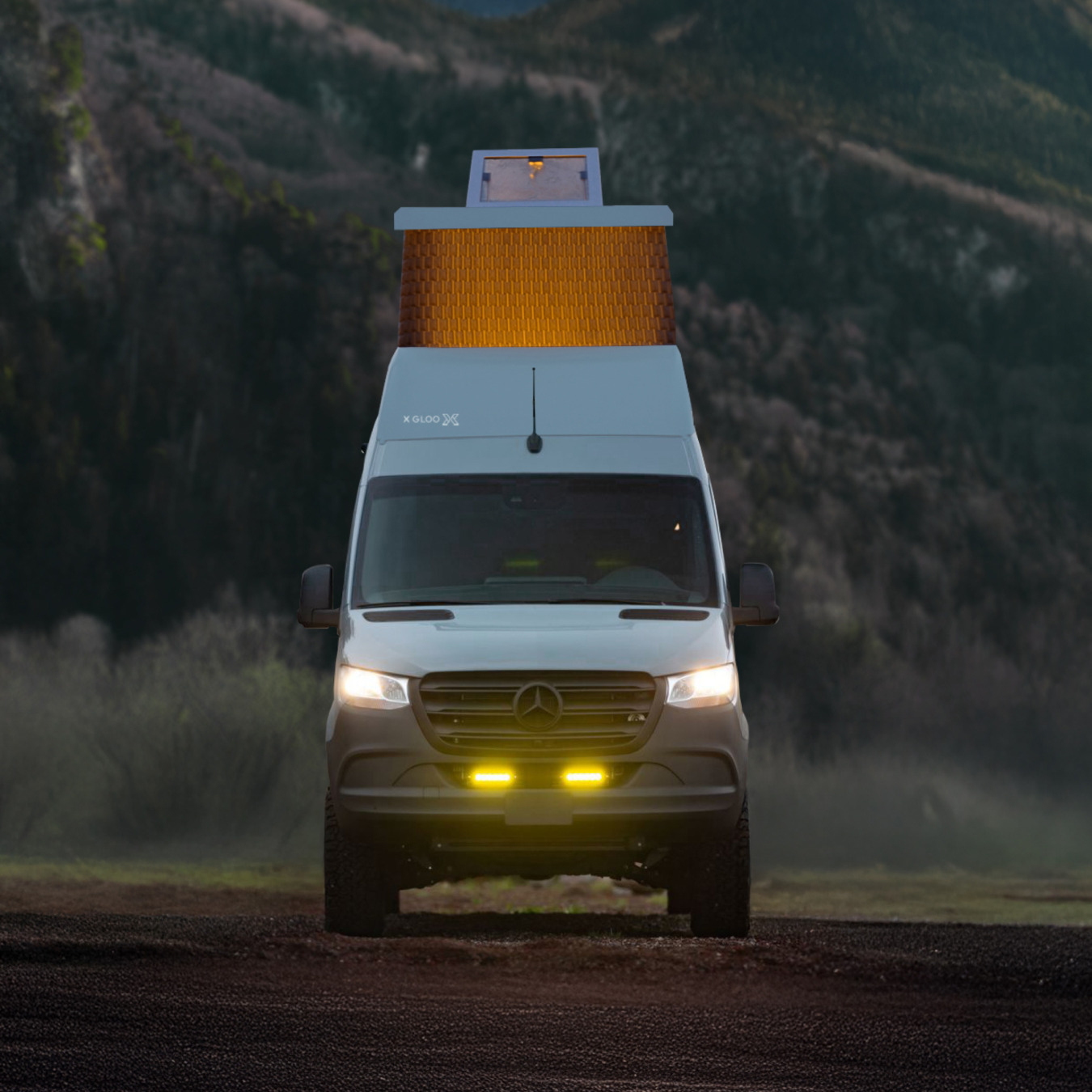
Discover this Mercedes Sprinter Pop-Top Roof by XGLOO
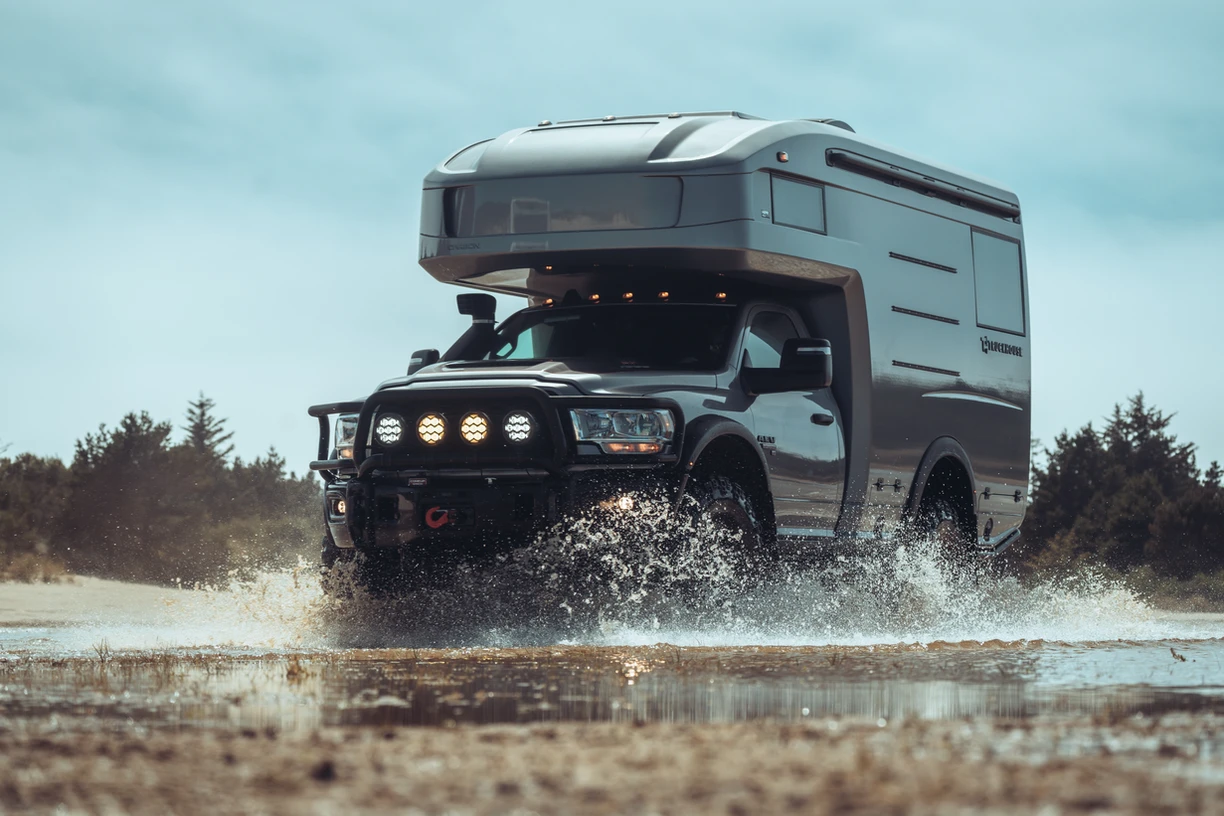
Discover this Dodge RAM 3500 Expedition vehicle By Truckhouse
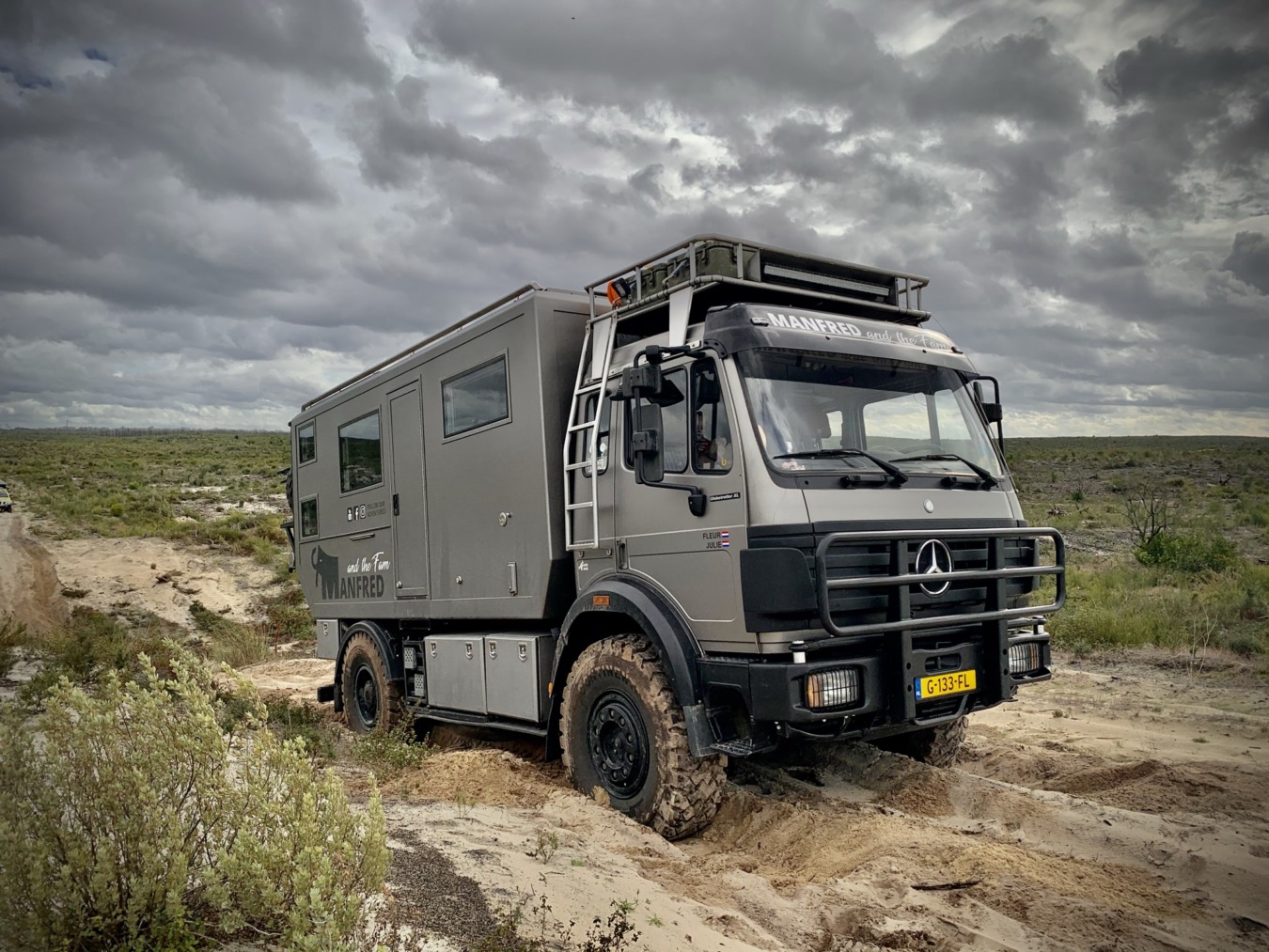
Discover This Mercedes SK1722 4×4 from Manfred and the Fam by Twiga
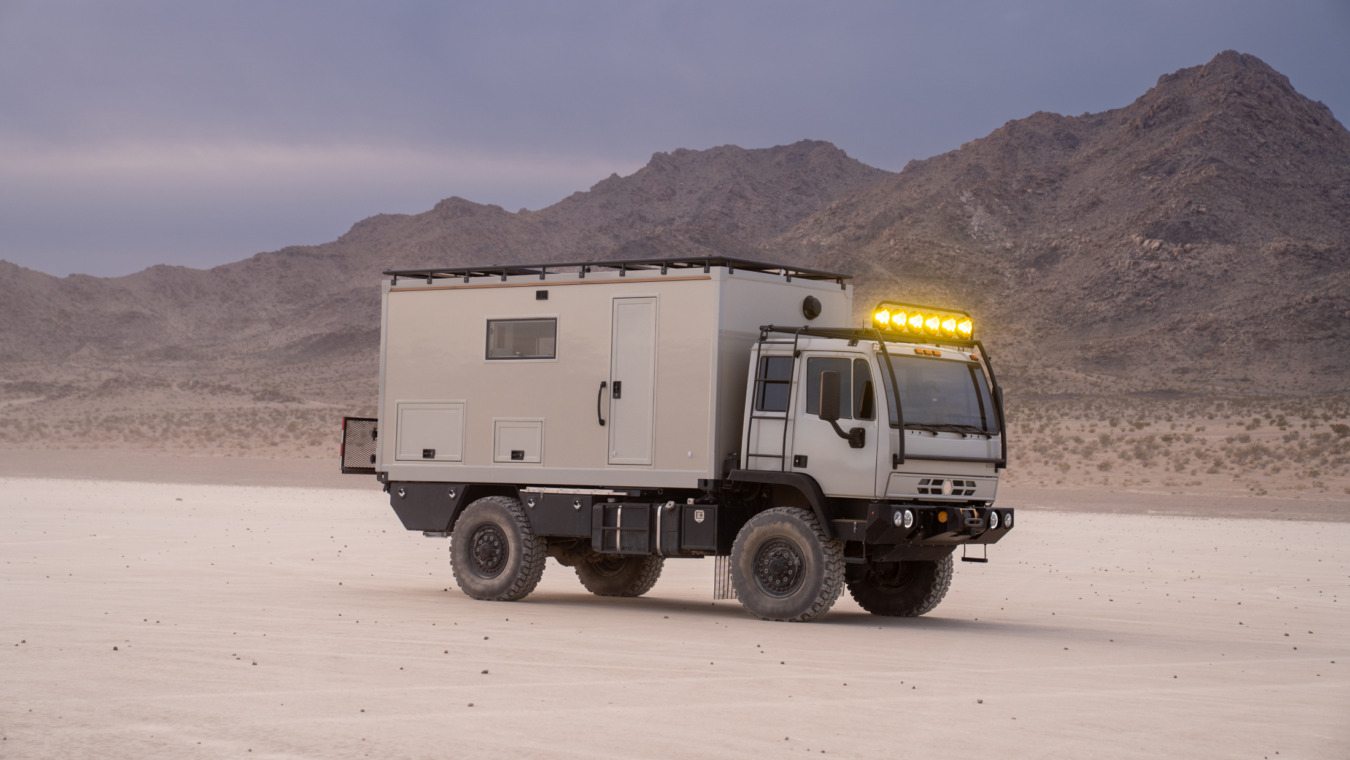
Discover this Acela Monterra 4x4 Expedition vehicle by 4xploration
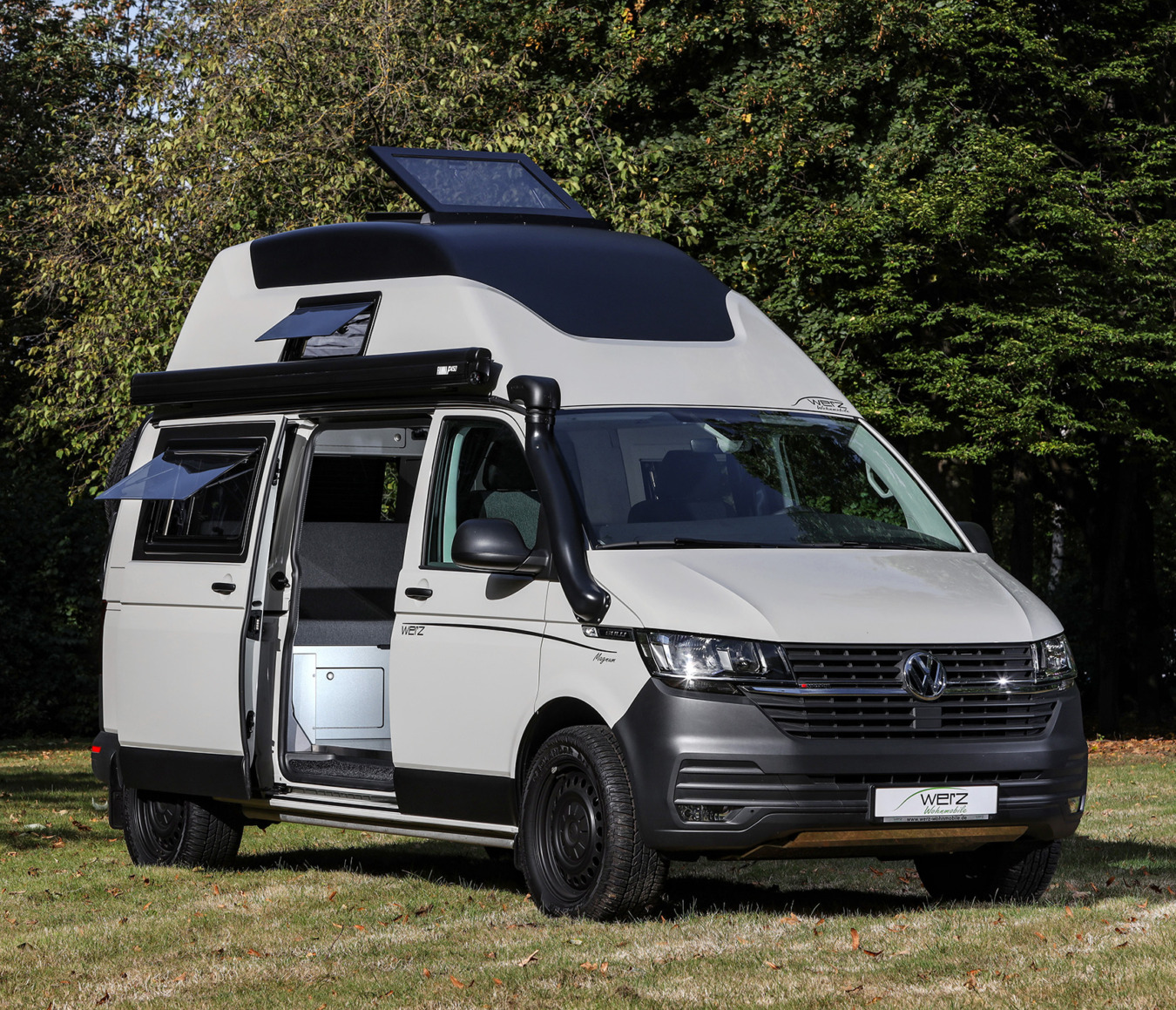
Discover this Volkswagen T6 Campervan by Werz
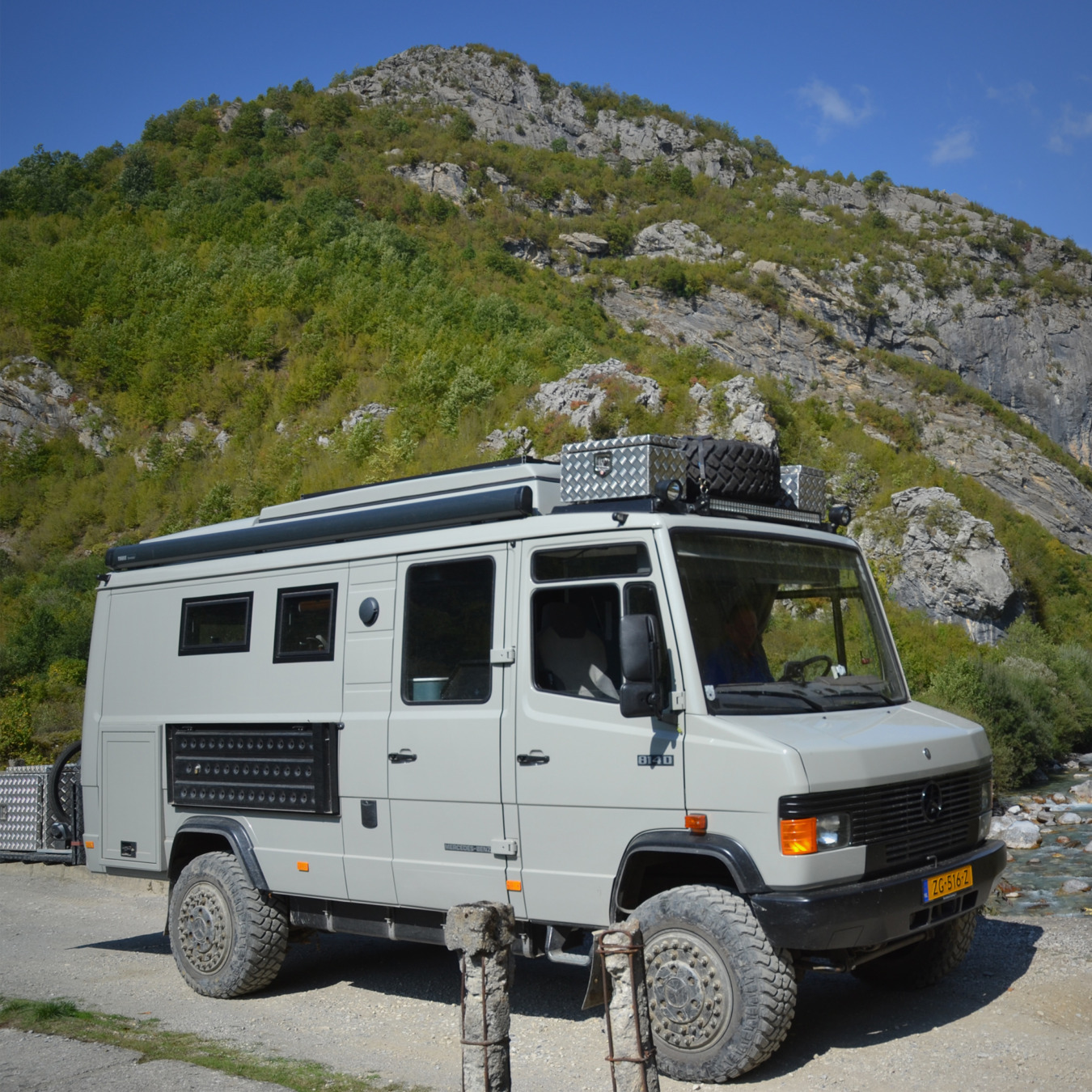
Discover this Mercedes Vario 4×4 Expedition vehicle
Disclaimer: The content of this article is intended to guide you, but does not constitute legal advice. Always verify the current requirements yourself and contact the RDW or the Dutch Tax Authority if in doubt.