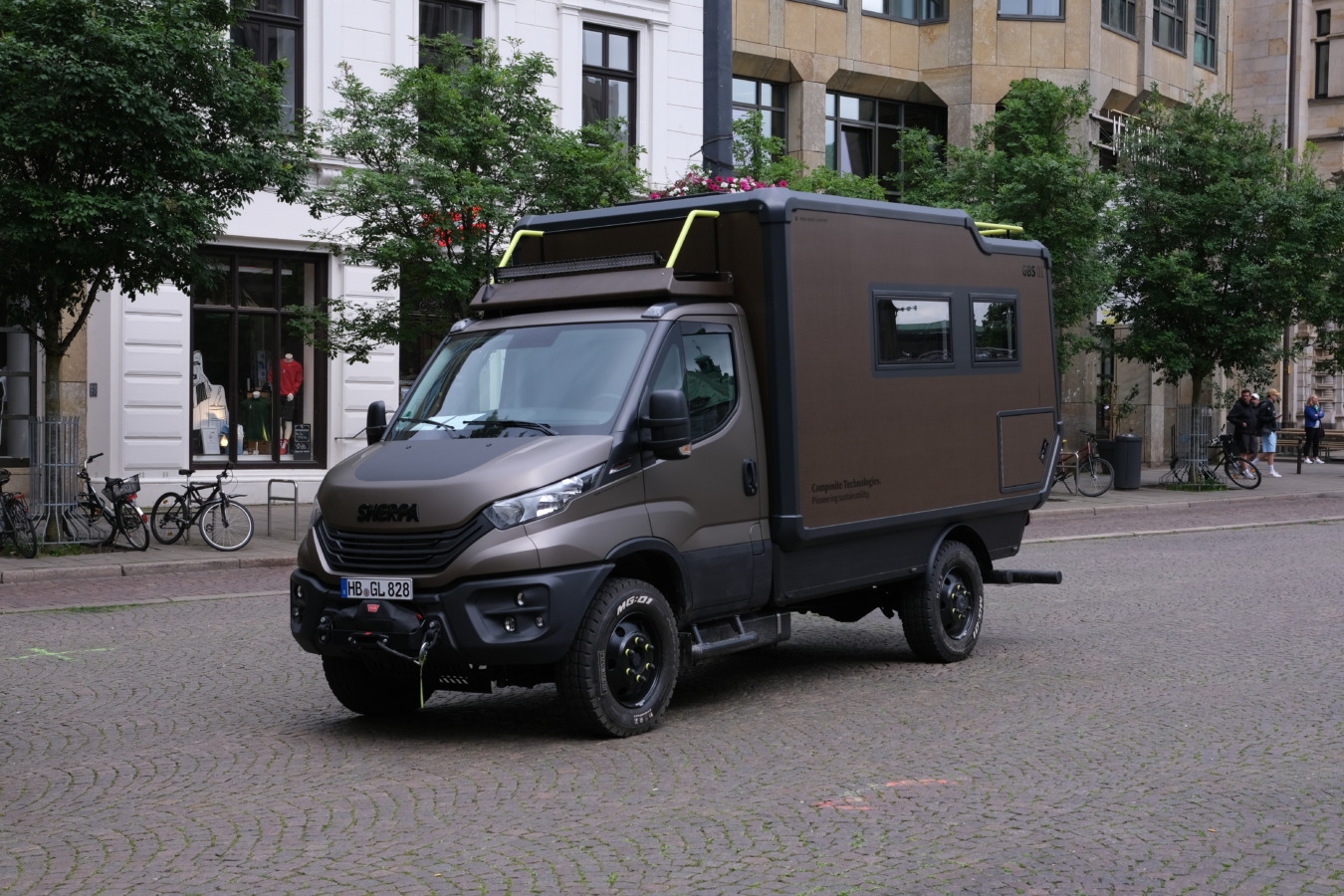
What is the road tax for a camper?
Road tax for campers in the Netherlands works differently than for passenger cars. Up to and including 2025, a reduced quarter rate applied, but from January 1, 2026, this has changed to a half-rate. This means you pay approximately 50% of the standard motor vehicle tax, resulting in higher monthly costs than before.
The exact amount depends on the vehicle’s weight, fuel type, and the province where you live. For an average camper van of around 2,900 kg, this can amount to roughly €160 per month. The reduced rate still applies because campers are generally used less intensively than regular passenger cars.
From van to camper: what it means for your road tax
For those building their own camper, road tax changes once the vehicle is officially approved and registered as a motorhome. Until that moment, the standard tax rate applies. Only after registration as a camper does the reduced half-rate come into effect.
This makes the RDW inspection a key step in the process. Converting a van into a camper not only changes how you use the vehicle, but also has a direct impact on your fixed monthly costs. The difference is especially noticeable with heavier vehicles.
Interior requirements for campers according to the RDW and Dutch Tax Authority
To benefit from the reduced road tax rate, your vehicle must be approved as a camper by the RDW. This requires a permanently installed interior with essential living features such as seating, sleeping space, cooking facilities, and storage. In addition, the Dutch Tax Authority sets its own, often stricter, requirements for layout and dimensions. Only when both sets of criteria are met can you apply for the lower tax rate, making it important to account for these rules early in the build process.
Road tax amount for campers
The exact amount of road tax for a camper depends on several factors:
- The weight of the vehicle
- The type of fuel
- The province where you live
Because campers are often heavier than passenger cars, even the reduced rate can still be a significant cost. However, it remains noticeably lower than the full standard rate.
Get inspired
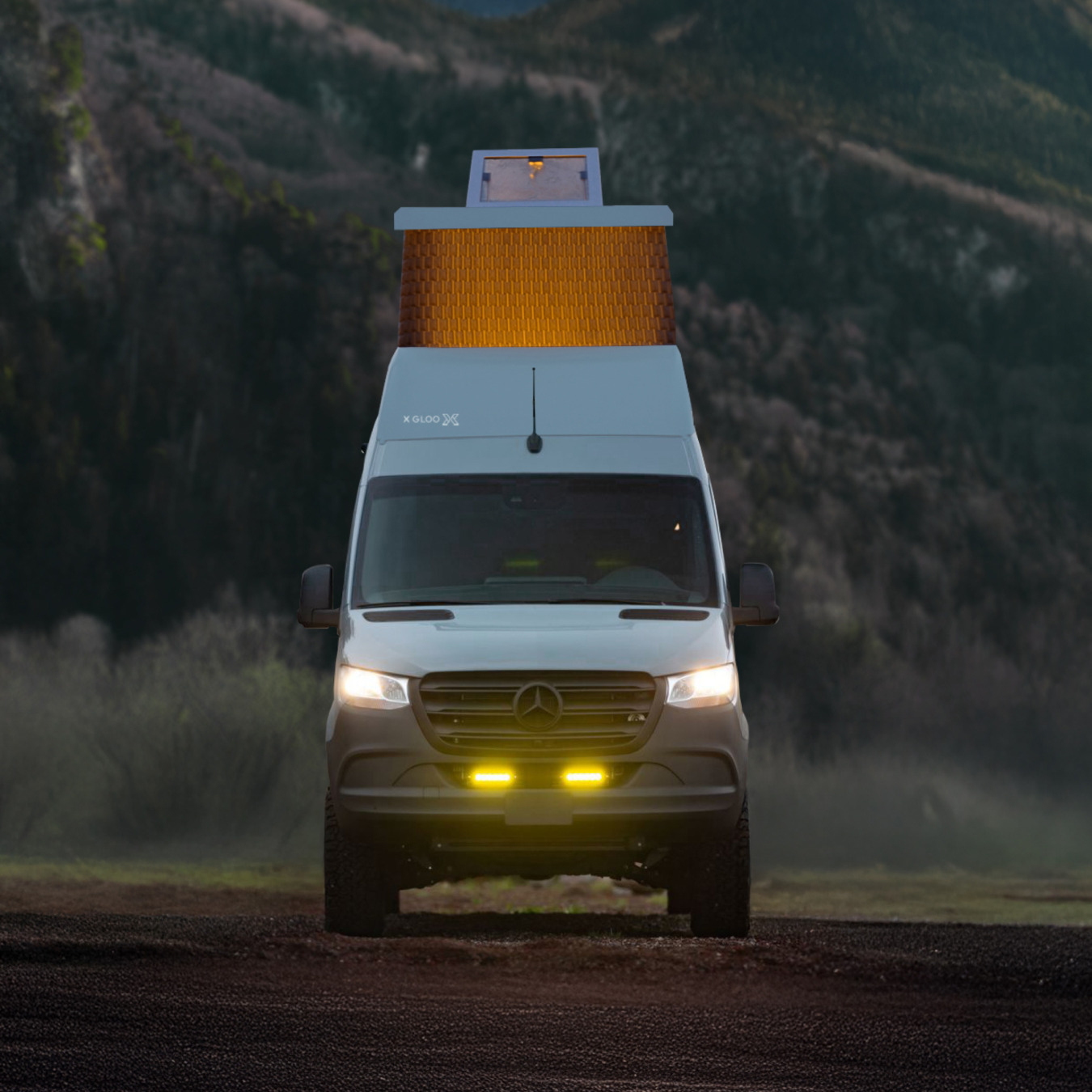
Discover this Mercedes Sprinter Pop-Top Roof by XGLOO
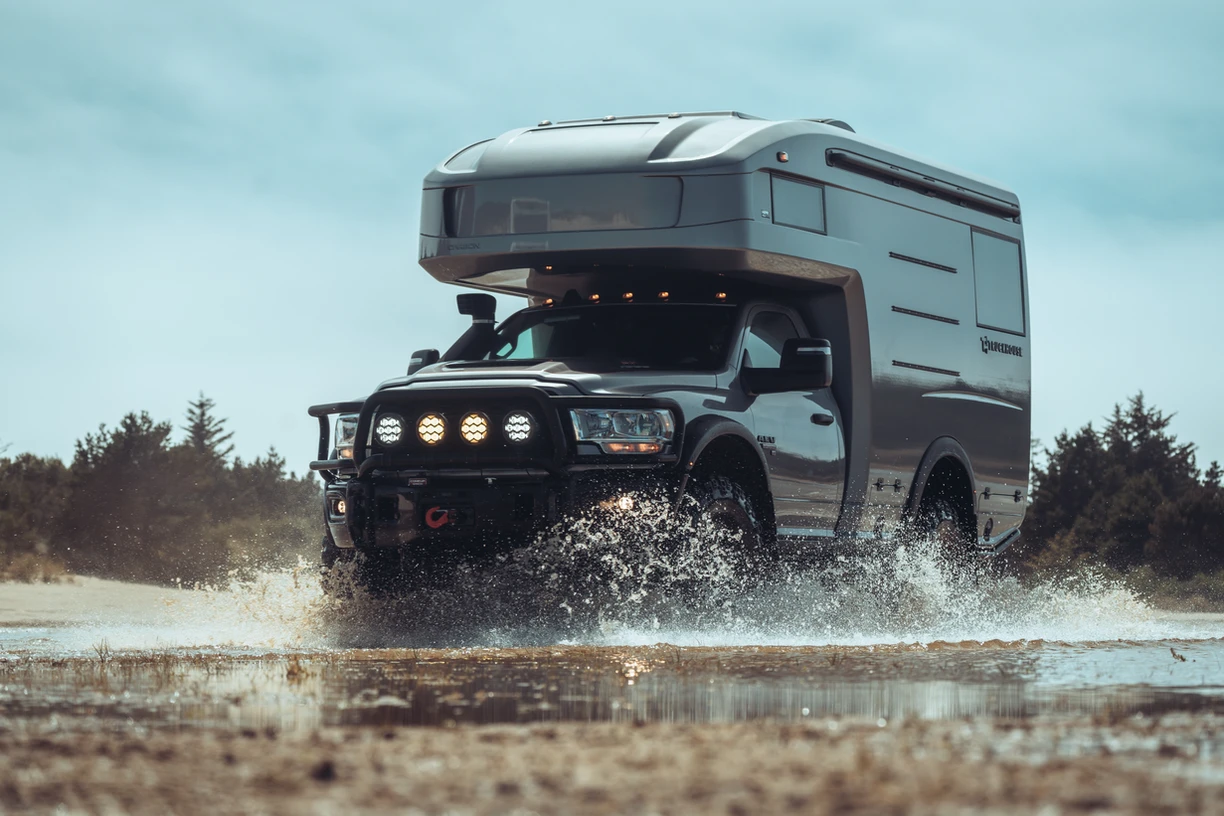
Discover this Dodge RAM 3500 Expedition vehicle By Truckhouse
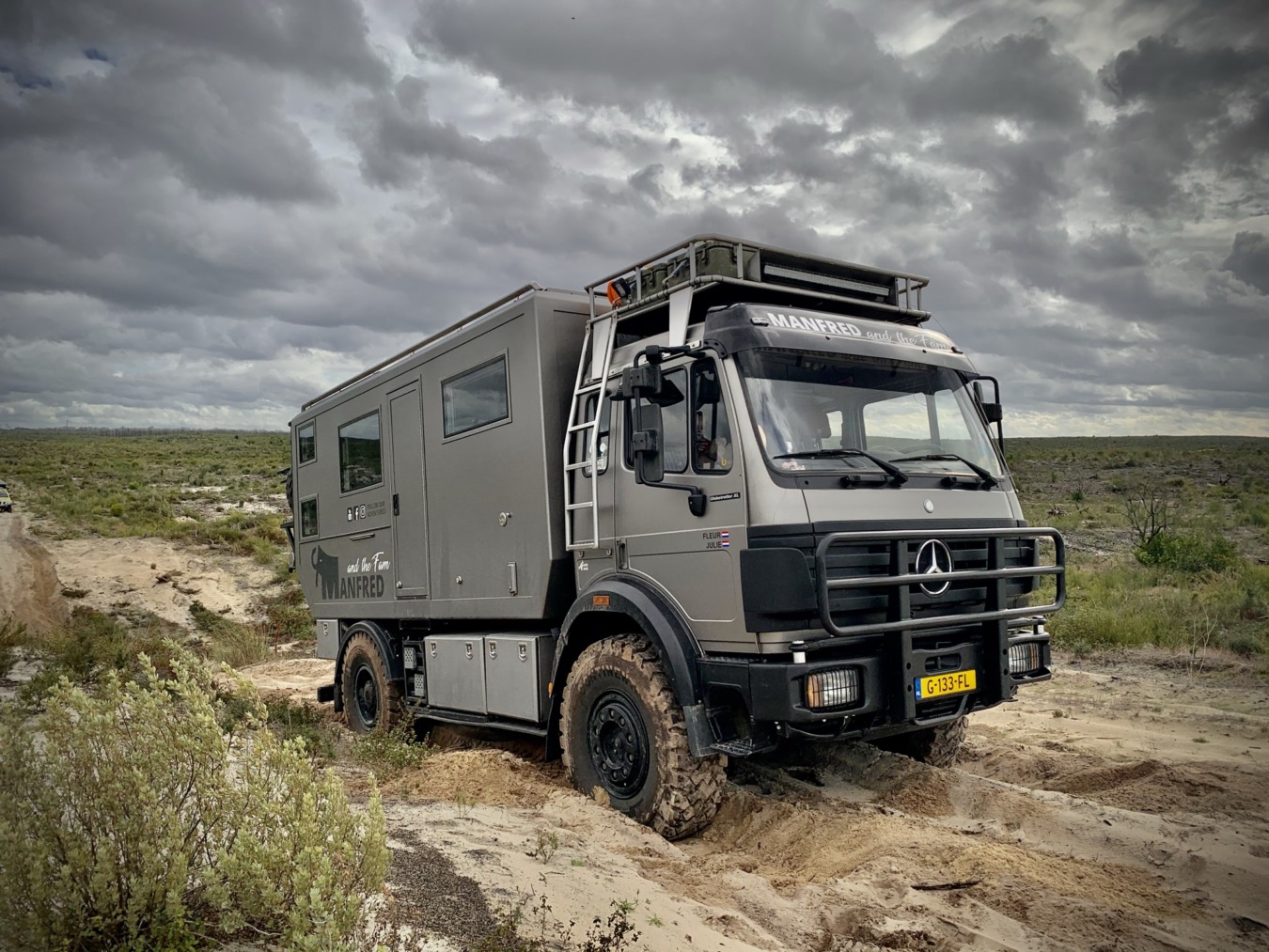
Discover This Mercedes SK1722 4×4 from Manfred and the Fam by Twiga
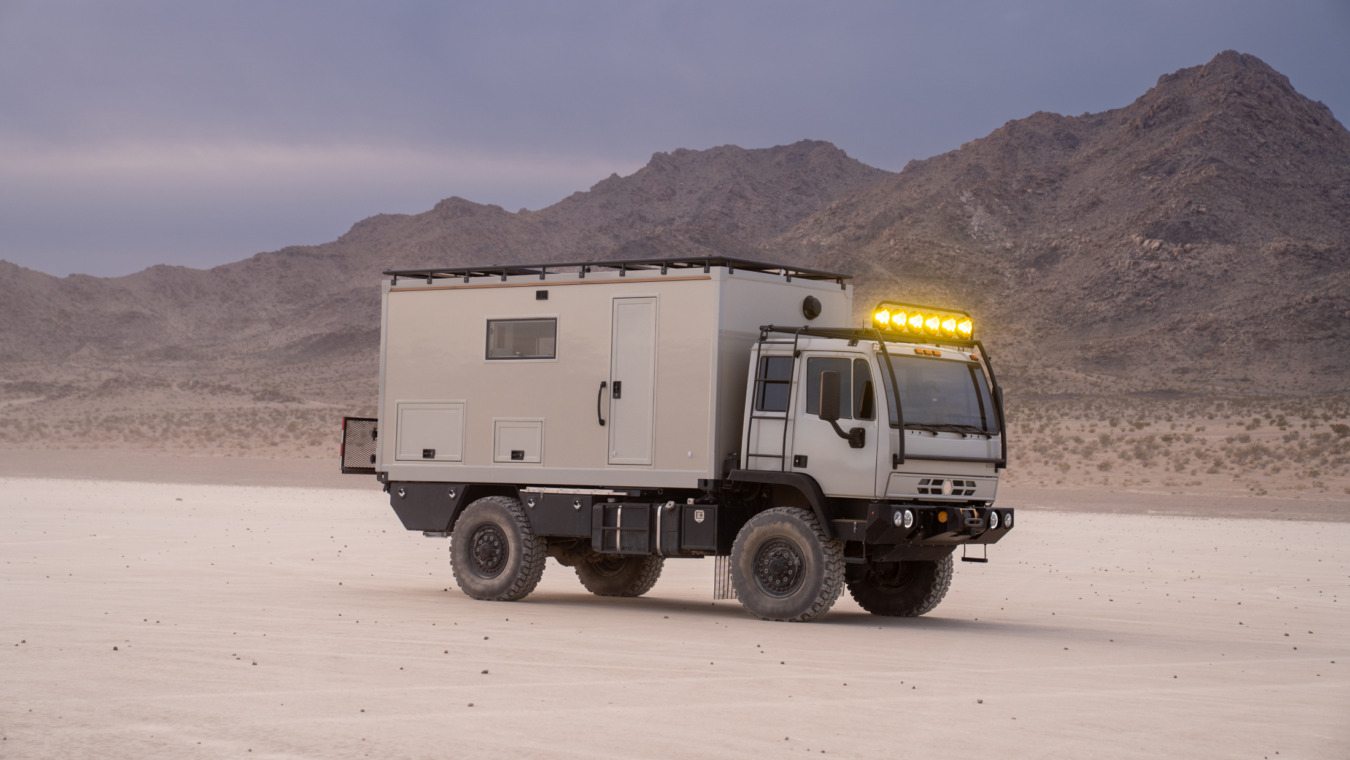
Discover this Acela Monterra 4x4 Expedition vehicle by 4xploration
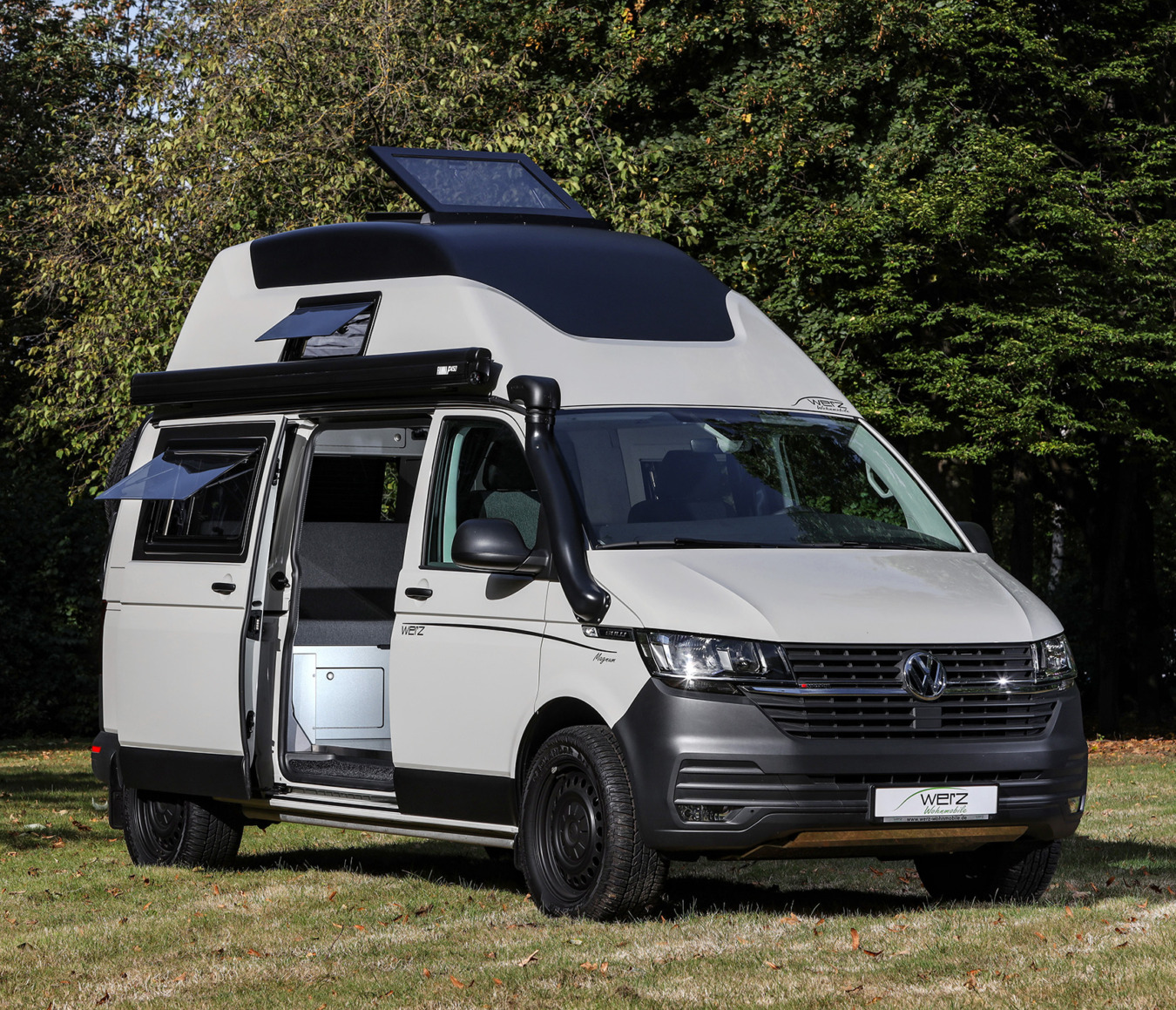
Discover this Volkswagen T6 Campervan by Werz
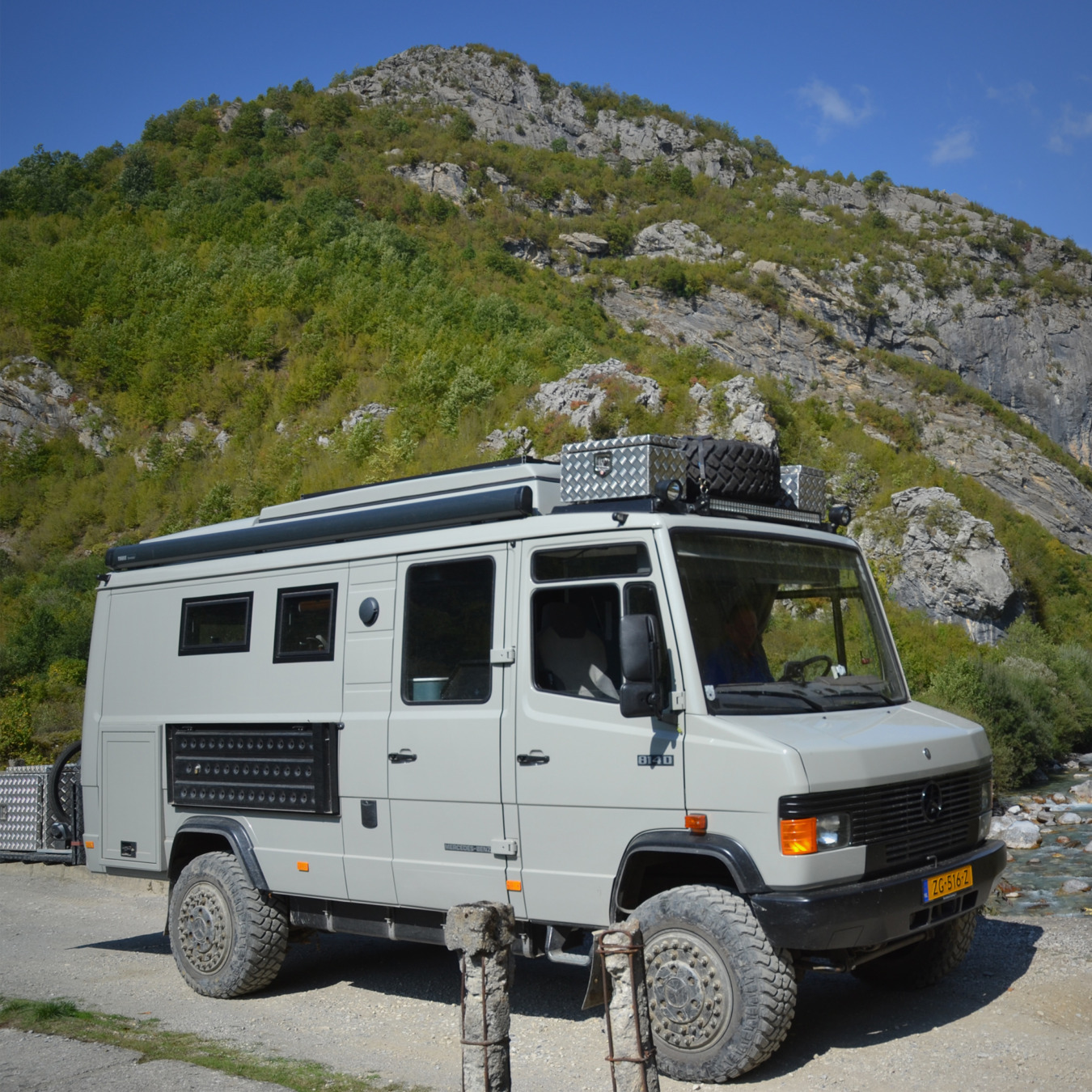
Discover this Mercedes Vario 4×4 Expedition vehicle
Frequently asked questions about camper road tax
The main difference between BPM and road tax is when you pay and what you pay for.
BPM (Passenger Car and Motorcycle Tax) is a one-time tax.
You pay it when a vehicle is first registered as a passenger car in the Netherlands. This often applies when converting a van into a camper. BPM only applies to the vehicle itself, not the camper interior. The amount is based on the original list price and depreciation.
Road tax (MRB) is an ongoing tax.
You pay it periodically, usually every quarter. Since 2026, campers benefit from a reduced rate of about 50% of the standard passenger car tax. The exact amount depends on factors such as weight, fuel type, and province.
You qualify if your camper meets the requirements set by the RDW and the Dutch Tax Authority:
- The vehicle is registered as a motorhome
- A fixed interior is installed
- It includes seating, a table, sleeping facilities, and cooking equipment
- All facilities are permanently fixed inside the vehicle
Without this setup, you will pay the standard road tax rate.
The reduced rate is a lower road tax rate for motorhomes in the Netherlands. Since 2026, motorhome owners pay approximately 50% of the standard motor vehicle tax (MRB) instead of the full passenger car rate. In practical terms:
- You pay half of the standard rate that applies to passenger cars
- It only applies to vehicles officially registered as motorhomes
- The vehicle must also meet the tax authority’s interior requirements to qualify for the motorhome rate
This reduced rate exists because a motorhome is generally used less intensively than a regular passenger car. It is mainly used for travel and holidays rather than daily commuting.
Yes, you can suspend the vehicle registration. During the suspension period, you do not pay road tax. The vehicle is not allowed on public roads during this time. This applies within the Netherlands.