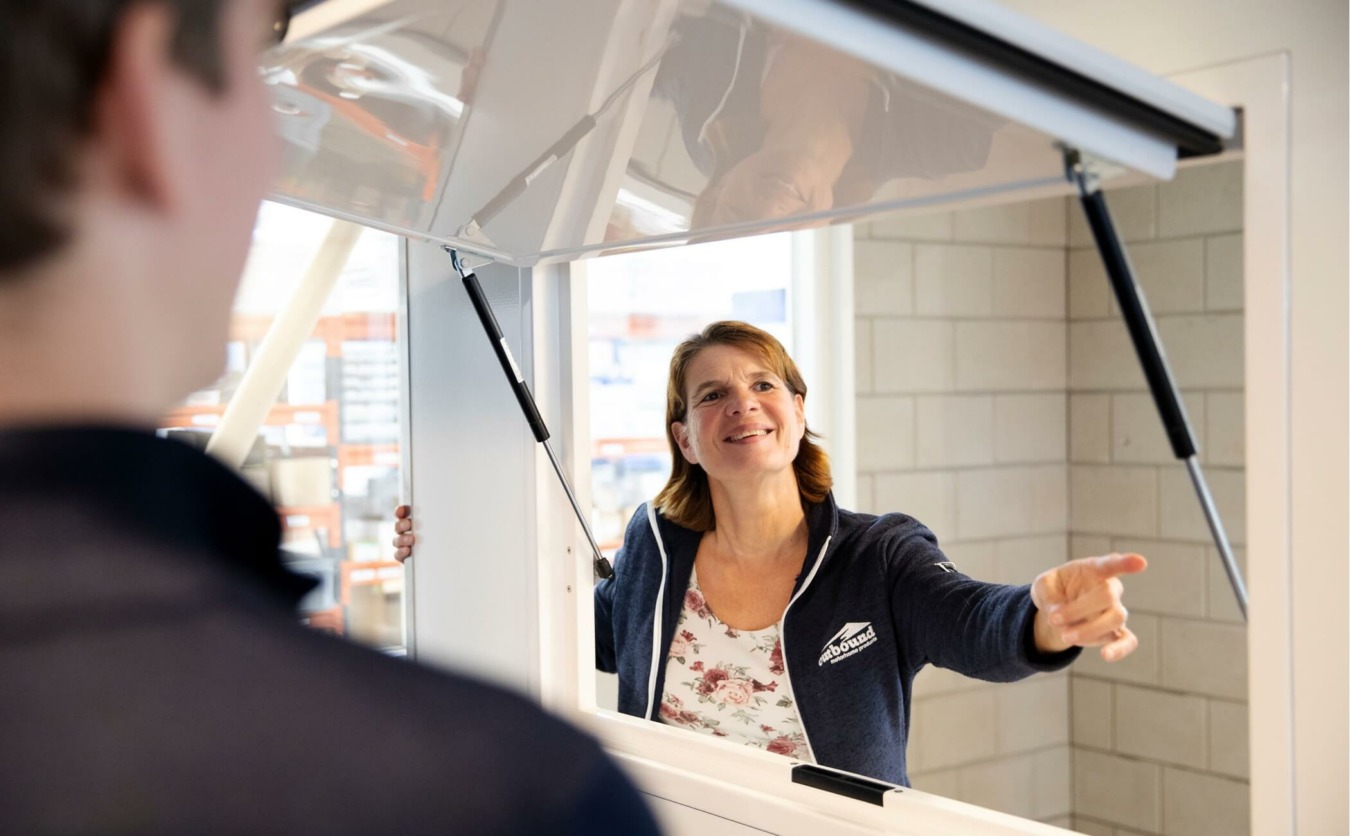
The Basics: Insulation and Avoiding Thermal Bridges
A well-insulated camper makes all the difference between comfort and discomfort—not only during cold nights but also on hot summer days. Keeping heat or cold outside starts with windows, doors, and skylights that have no metal connection between interior and exterior. This prevents condensation, drafts, and energy loss, essential for a comfortable interior climate year-round.
Our windows and doors prevent thermal bridges. There’s no metal path from inside to outside, reducing condensation and heat loss.
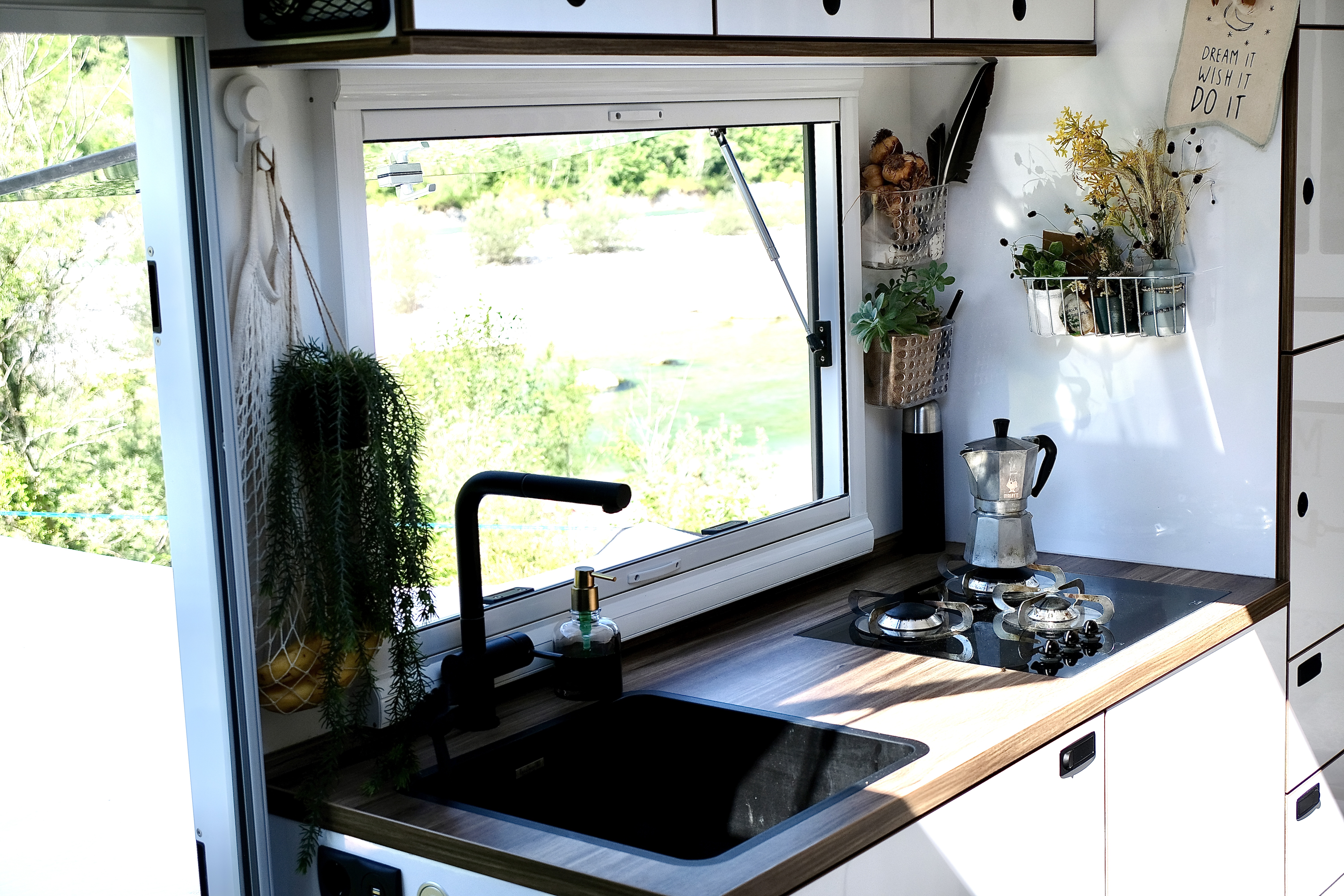
Ventilation: Fresh Air Circulation
A healthy camper needs proper ventilation. Cooking, sleeping, and even breathing produce moisture. Without good airflow, that moisture accumulates, leading to condensation and mold. Skylights, vents, and well-positioned windows ensure a continuous flow of fresh air—quietly, effectively, and without drafts.
Our skylights, vents, and hinged windows offer consistent airflow without compromising insulation or watertightness.
Discover all products
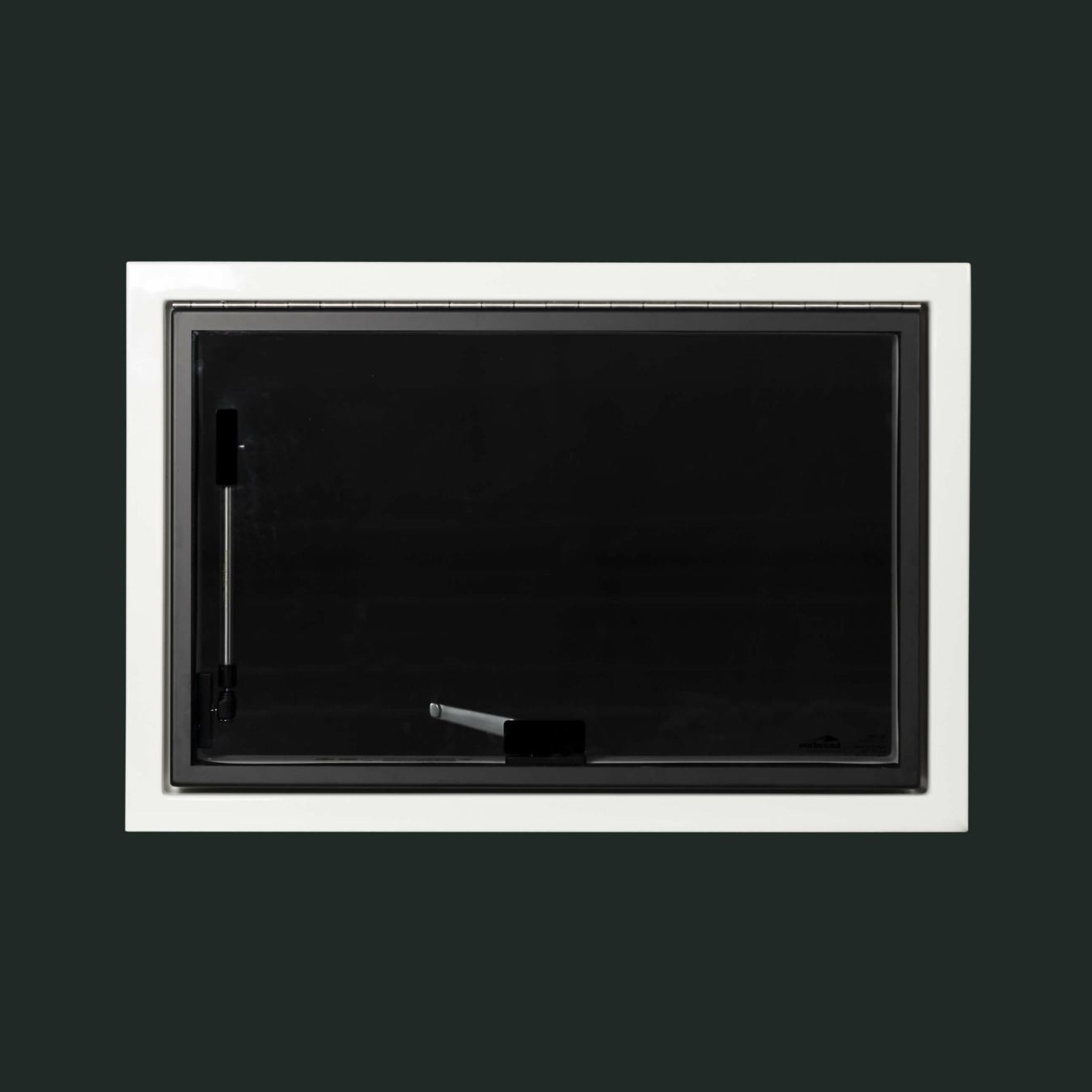
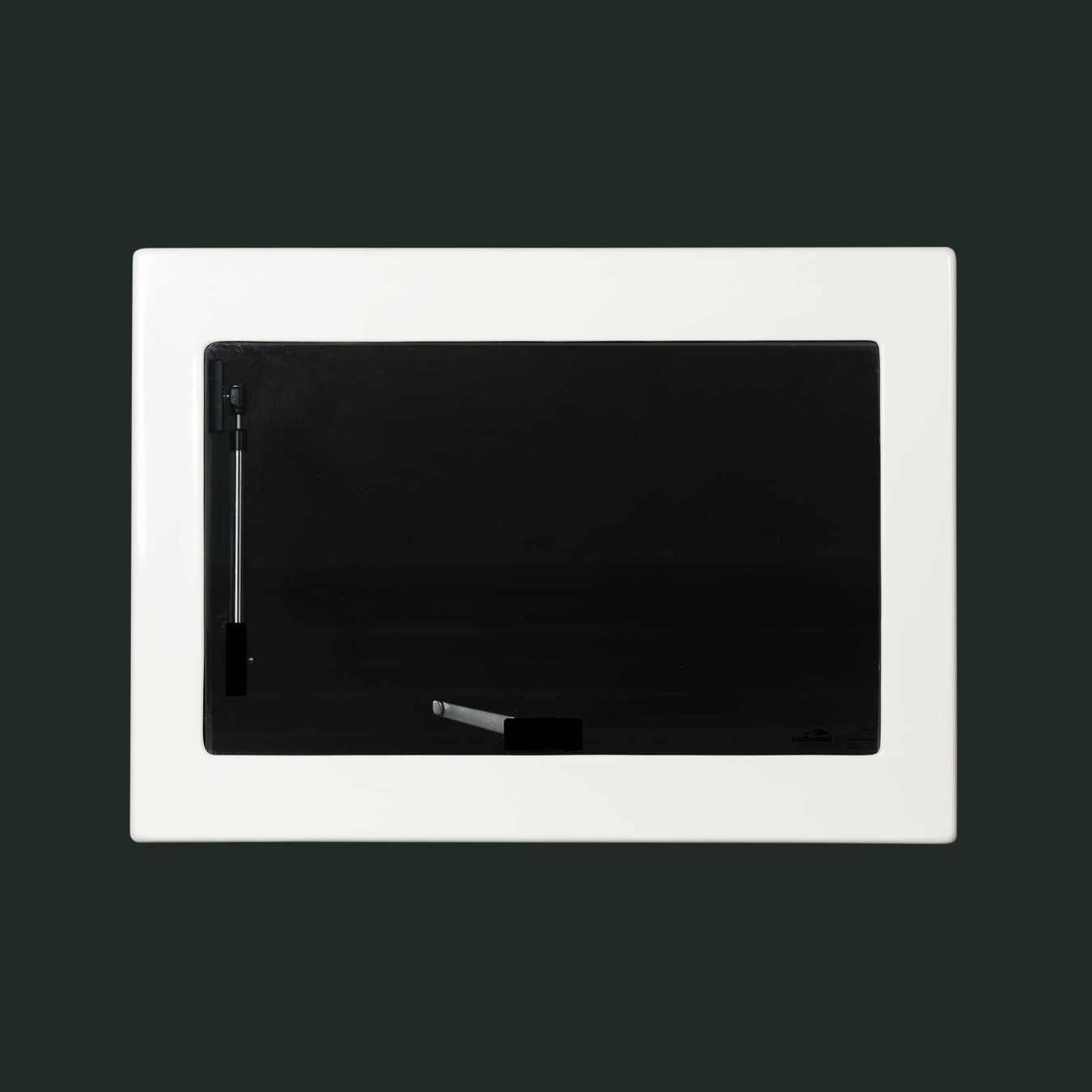
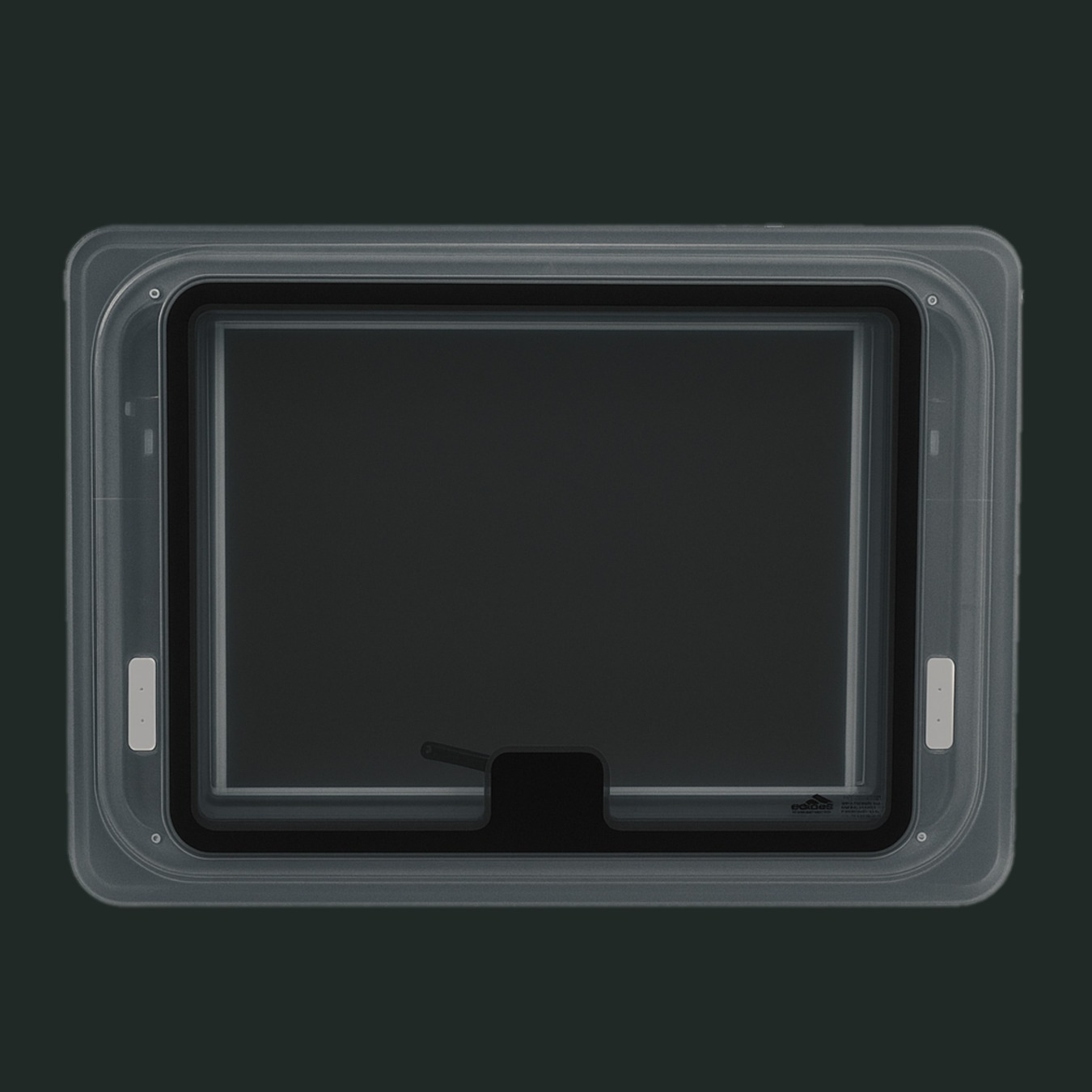
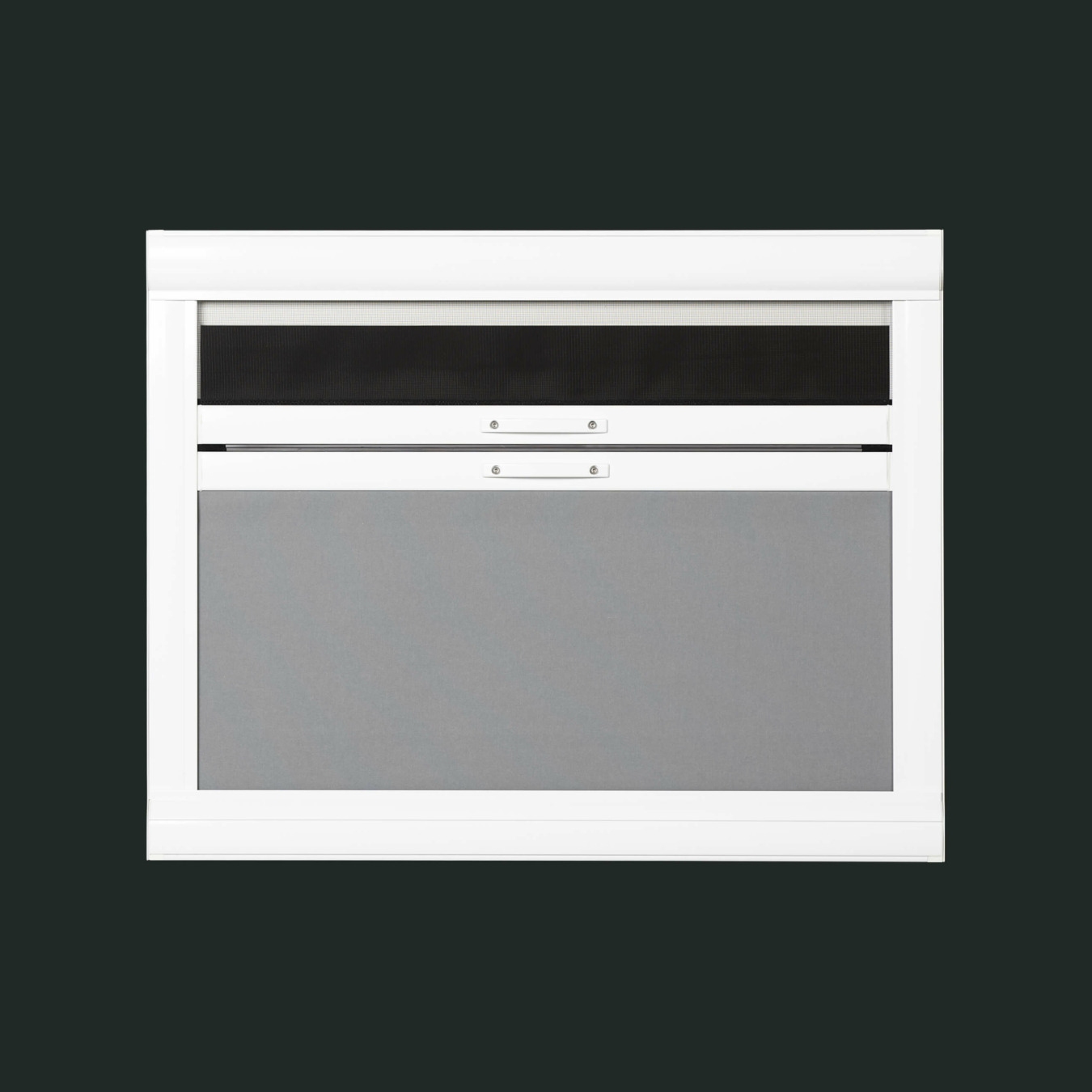
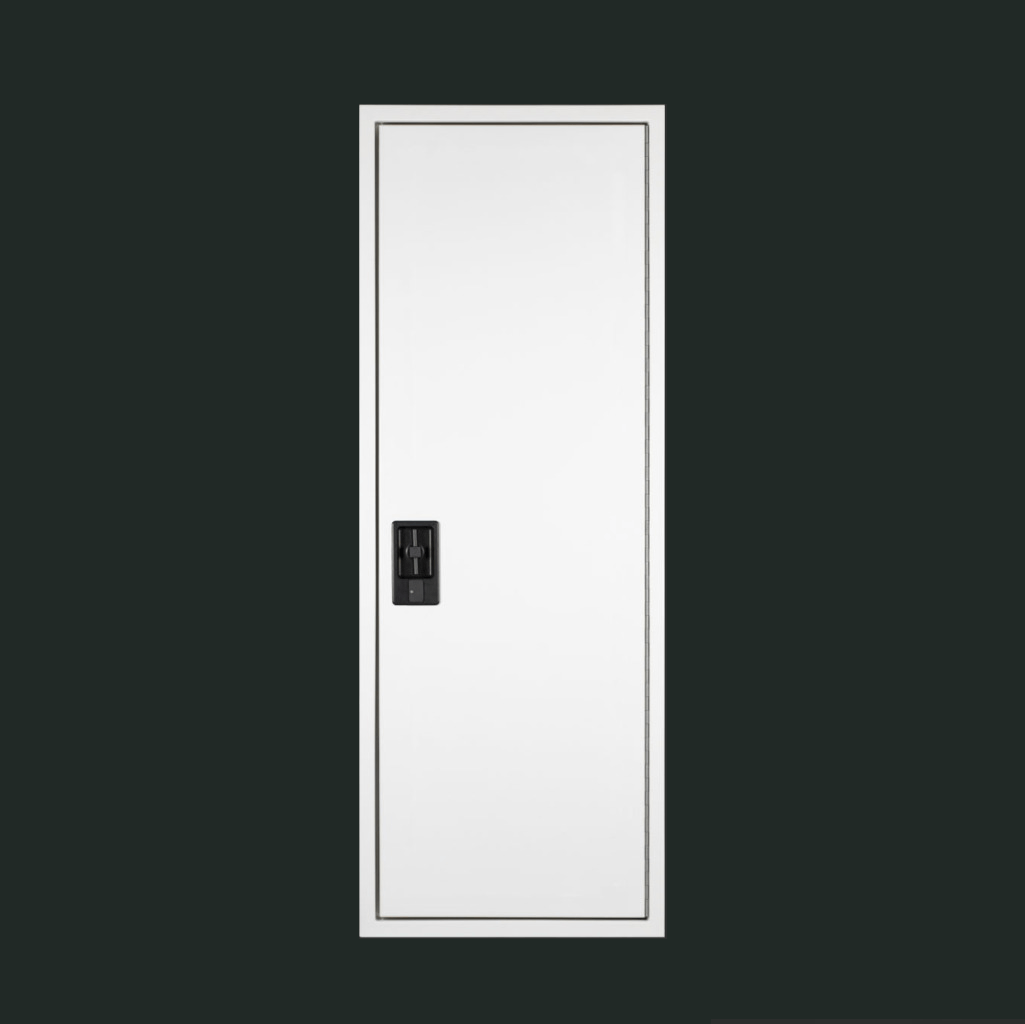
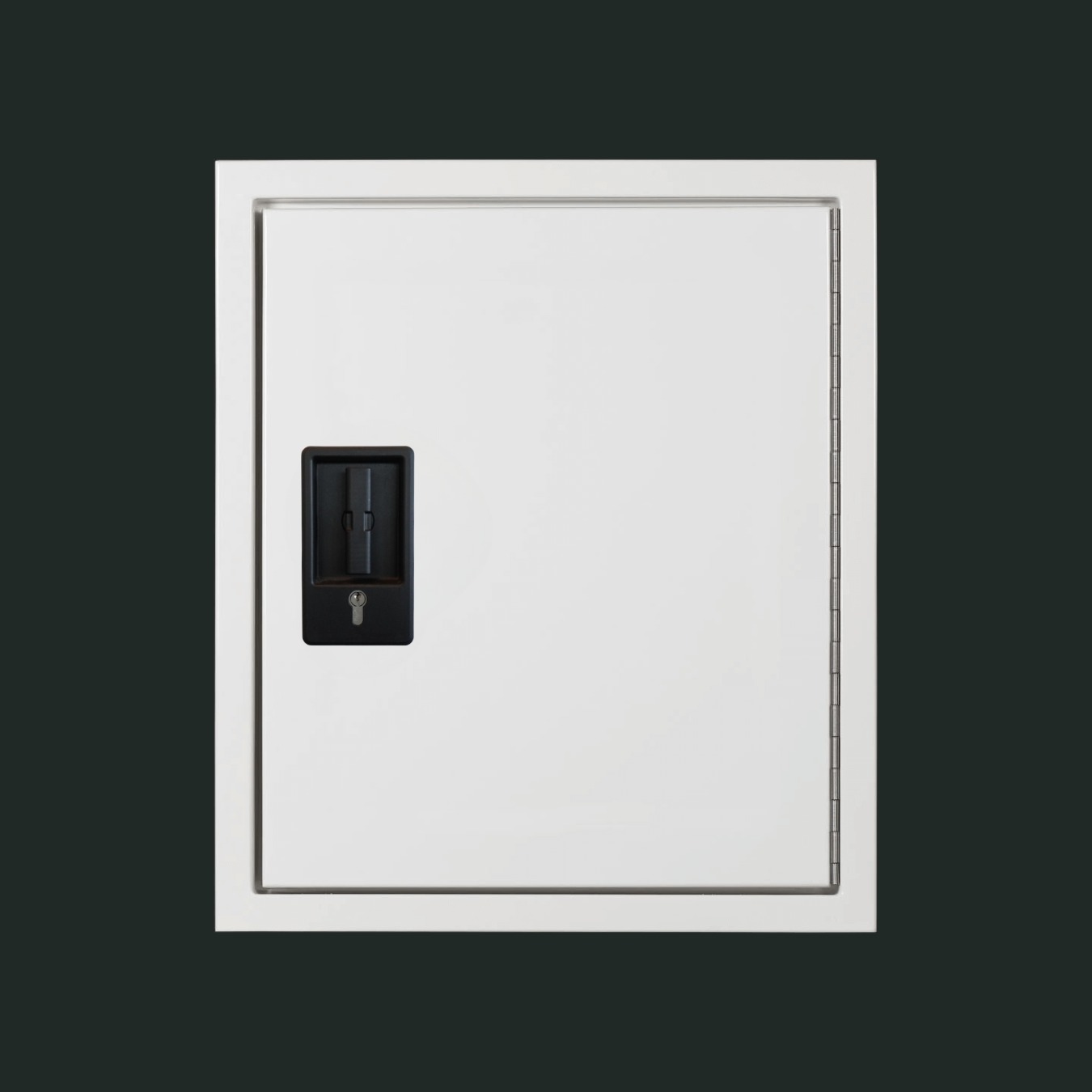

Light and Visibility: Choosing the Right Windows
Natural light makes your van interior more pleasant. It creates a sense of space, improves visibility, and enhances comfort during extended stays inside. Especially in changing weather or on rest days, daylight shapes the atmosphere.
Our windows come in fixed and opening versions, with optional blackout shades and insect screens. By placing them strategically, you bring in more light and connect directly to your surroundings—be it a mountain lake, forest edge, or a quiet city street.
Are you converting your camper?
We’re happy to help you find the products that best suit your camper and your journey. Whether you’re looking for standard components or a custom solution for your specific project, we’re here to think along with you. Feel free to get in touch. We’re ready to support your project from start to finish.

Watertight and Properly Installed
A leak in your camper is something you definitely want to avoid. Around windows and doors, the risk of water ingress is high if installation isn’t correct. Our mounting frames provide secure, load-distributing attachment and watertight sealing. Combined with the right sealant and precise placement, you prevent damage and long-term issues.
Security: Locks and Theft Protection
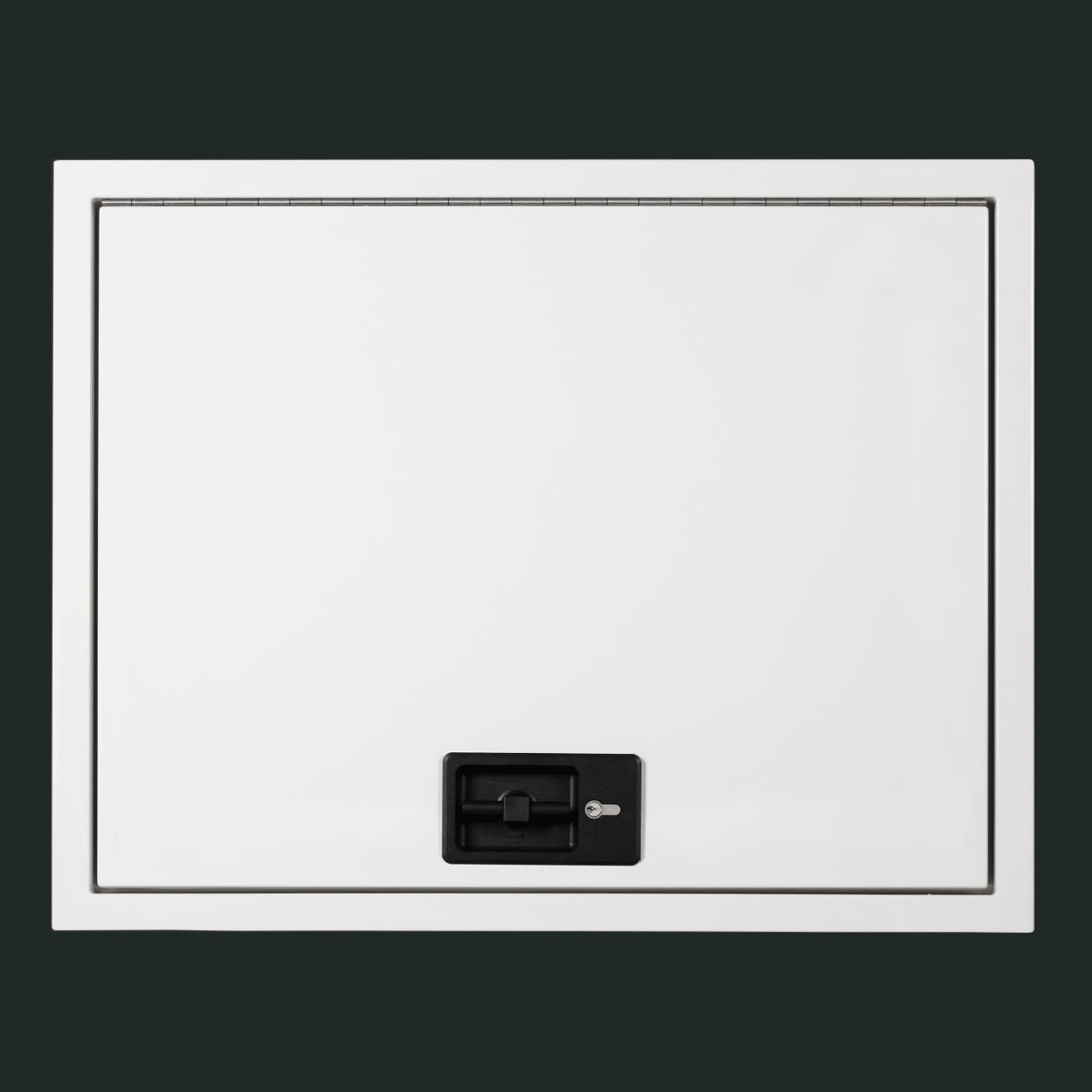
When traveling, you want to leave your belongings safe. Windows, doors, and hatches are weak points if not properly secured. Our products feature strong hinges, lockable handles, and closures that resist force. This improves your vehicle’s security—without compromising ease of use or aesthetics.
Weight and Material Choice
Weight is a key factor when converting a van. Too much weight means less payload, poorer handling, and potential issues with inspections. Our windows, doors, and skylights are made with lightweight, durable materials like aluminum, stainless steel, and insulated plastics. This allows for sturdy, long-lasting construction without unnecessary weight.
Regulations and Inspection
If you want to officially register your van as a camper, you’ll need to meet inspection requirements. Think ventilation, daylight access, fixed installations, and insulation. Our products are designed with these standards in mind and comply with European and American regulations. This ensures your camper not only performs well but is also legally compliant.
Our
principles
High quality
Well-considered choice of materials
Stylish
Matching and beautiful products
Spatial
Maximum light, visibility and space
Durable
For all weather conditions
No borders
Global Shipping
What Vans Are Our Products Suitable For?
Campers come in many shapes and sizes—from compact vans to fully built-up models. Each type has its own demands for installation, insulation, weight, and ventilation. That’s why it’s important for components to match the structure, function, and finish of your vehicle. Whether you’re building a rugged expedition camper or a cozy travel van for two, every concept needs tailored solutions. Thanks to universal mounting systems, our products are widely applicable.
Frequently asked questions
Here are answers to common questions about building and outfitting an expedition vehicle. They cover key considerations around construction, insulation, safety, and regulations, helping you make informed decisions during the build process.
Choose windows and doors with a strong construction and reliable locking system. Outbound windows are equipped with solid locking mechanisms and thermally broken profiles that fit tightly. Our insulated doors are suitable for multi-point locking systems and additional security features. This reduces the risk of break-ins and helps ensure safety on the road.
Condensation occurs when warm air cools down on cold surfaces. By using thermally broken windows and properly insulating metal components, you can prevent thermal bridges. Carefully seal all joints and ensure active ventilation to remove moisture. All Outbound windows feature a thermal break between the inside and outside, significantly reducing the risk of condensation.
Common materials for camper insulation include PIR boards, XPS foam, Armaflex, and mineral wool. These materials provide good insulation against both cold and heat and can withstand vibrations. Choose a material that is lightweight, does not rot, and performs well in humid conditions.
Pay close attention to the maximum permitted weight of your vehicle (GVW). Everything you install, from insulation to furniture, counts toward this limit. Many vans have a maximum of 3,500 kg. If you exceed this, different regulations and driving license requirements will apply. Also consider weight distribution and axle loads to ensure safe driving behavior.
Yes. If you want to officially register your van as a camper with the RDW, it must meet specific requirements. Only after approval will the vehicle be registered as a “motorhome,” which affects road tax and insurance.
In the Netherlands, a vehicle must meet specific RDW requirements to be officially registered as a camper (motorhome). These requirements are mainly focused on the interior layout and fixed facilities. To qualify as a camper, the vehicle must include:
- A fixed seating area with a table
The table may be removable, but there must be a designated mounting point. - Sleeping accommodation
This can be created from the seating area, but it must be of sufficient size for sleeping. - Cooking facilities
A permanently installed cooking unit is required. - Storage space
Fixed storage compartments must be present in the vehicle. - Minimum interior height
In most cases, the interior height must be at least 170 cm over a certain length, although exceptions can apply depending on the vehicle type.