Why fiberglass reinforced polyester is the standard
Fiberglass reinforced polyester (FRP) is a composite material made of glass fibers and polyester resin. This combination makes it extremely strong while remaining lightweight, essential for vehicles that travel off-road, cover long distances, and operate in varying climates. FRP panels handle stress better than pure plastics or wood and maintain their shape under load.
Benefits of FRP
Rigid and dimensionally stable
Even in extreme temperatures
Lightweight
Improving fuel efficiency and load capacity
Resistant
To moisture, UV, and chemical exposure
Durable
Under long-term use
Thermal expansion and stress distribution in bonded structures
A key advantage of fiberglass reinforced polyester is its controlled thermal expansion. In an expedition vehicle, walls and frames are exposed to large temperature differences. When materials expand at different rates, stress can build up at the joints. FRP offers:
- A low and stable coefficient of expansion, thanks to the glass fibers
- Even stress distribution during temperature fluctuations
- Reduced risk of cracking or detachment at the joints
- With a well-designed adhesive bond between the FRP wall and the frame, these stresses are absorbed and distributed evenly.
The result is a stable construction, even in freezing cold or desert heat.
Build with confidence, choose components that perform.
Explore our range of windows, doors, and hatches for expedition vehicles.
Wall and frame bonded into one structure
Instead of mechanical fastening (such as screws), we choose to bond the wall and frame. The reason: fiberglass reinforced plastic adheres exceptionally well, and an adhesive joint distributes loads evenly while preventing point stress. The result is a structure that behaves as one solid unit. Benefits of bonding in expedition vehicles include:
- No holes, no weak spots in the wall
- Better sealing against moisture and dust
- Lighter construction without metal reinforcements
- Greater durability under vibration and torsion, ideal for off-road use
A proper bonding technique ensures that the window or door becomes part of the wall itself. This eliminates thermal bridges and keeps the structure rigid and reliable.
Why it matters in practice
An expedition vehicle must perform in all conditions, in the mountains, the desert, or during long periods off-grid. The combination of fiberglass reinforced polyester and advanced bonding techniques ensures you won’t have to worry about cracks, leaks, or deformation. Whether installing a window, door, or hatch, FRP and bonding help you build a vehicle ready for every adventure.
Get inspired
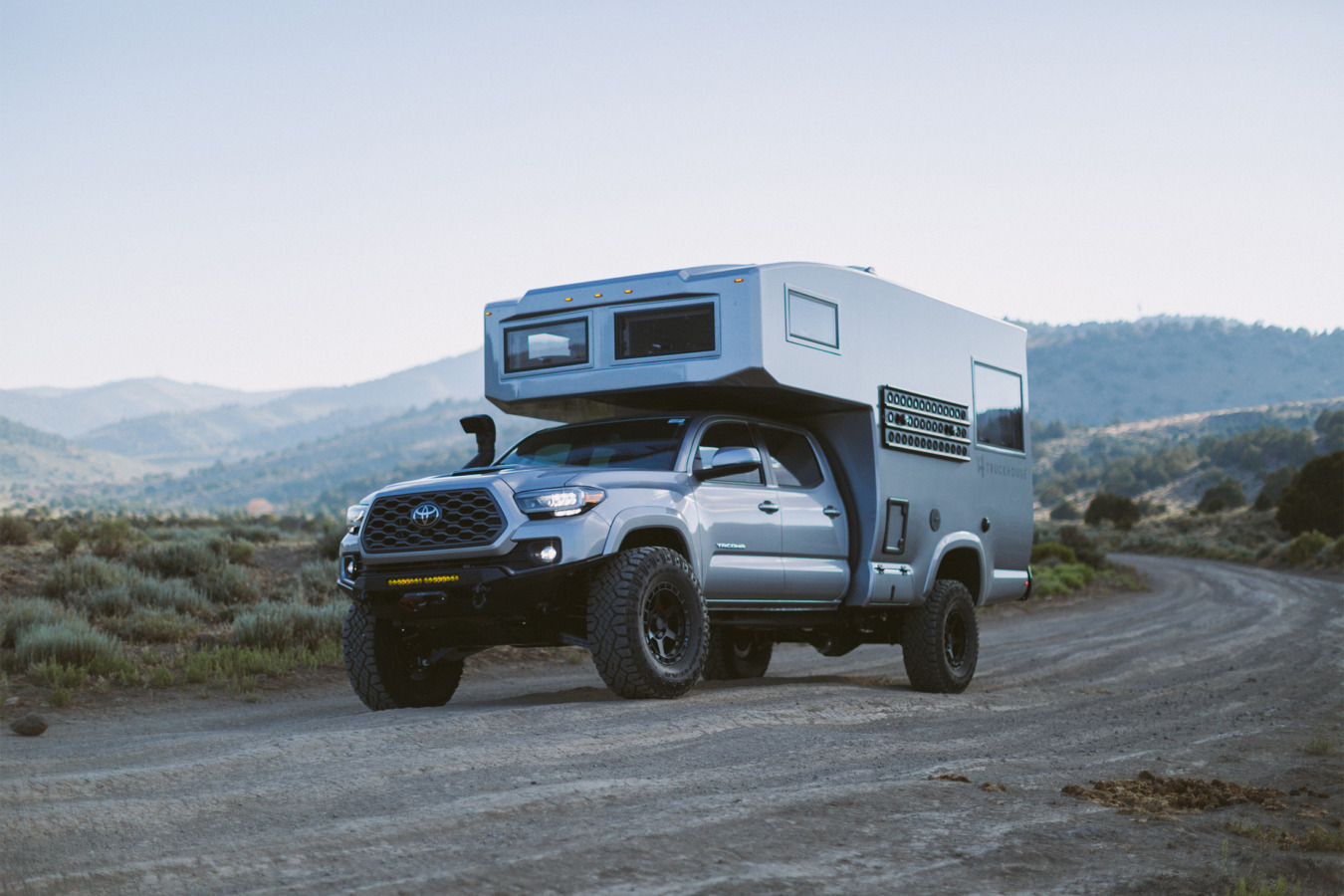
Discover this Toyota Hilux Expedition vehicle by Truckhouse BCT
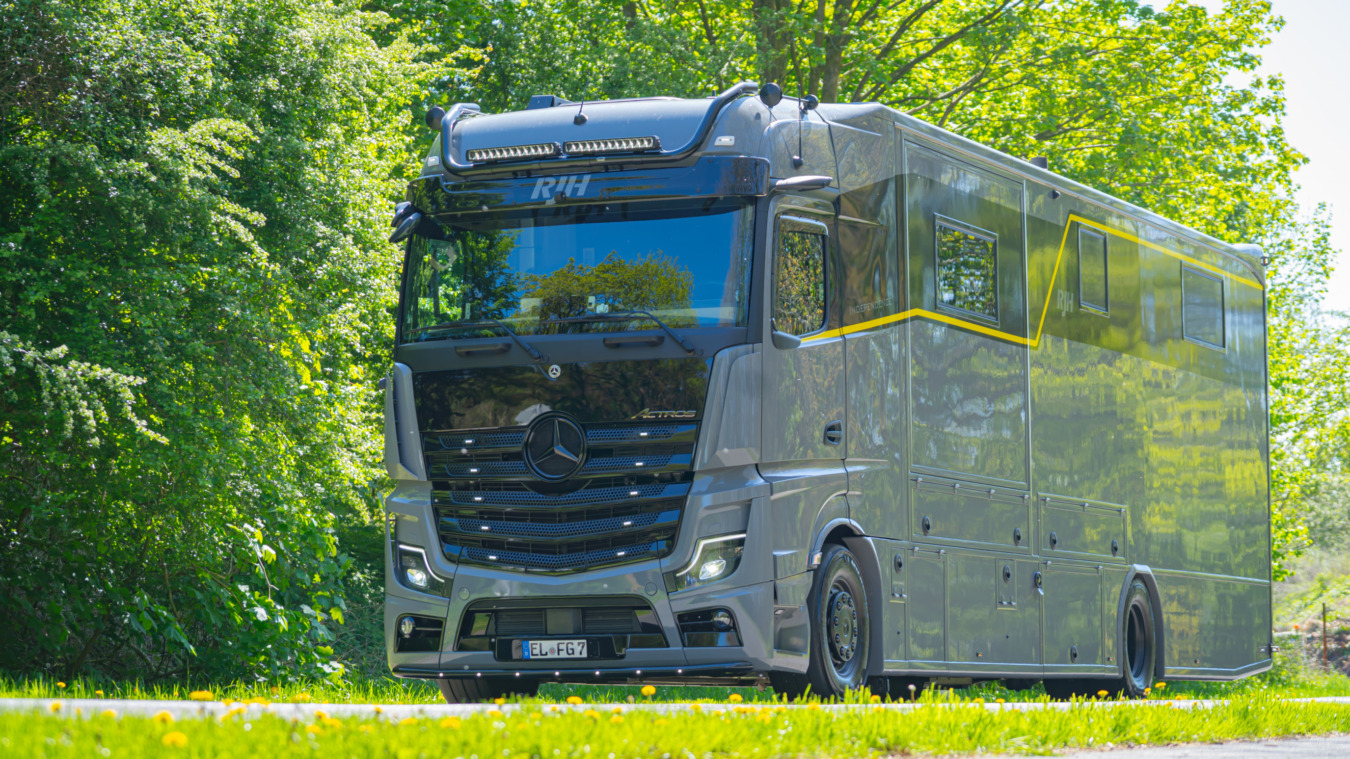
Discover this Mercedes Actros Motorhome by RJH Reisemobile
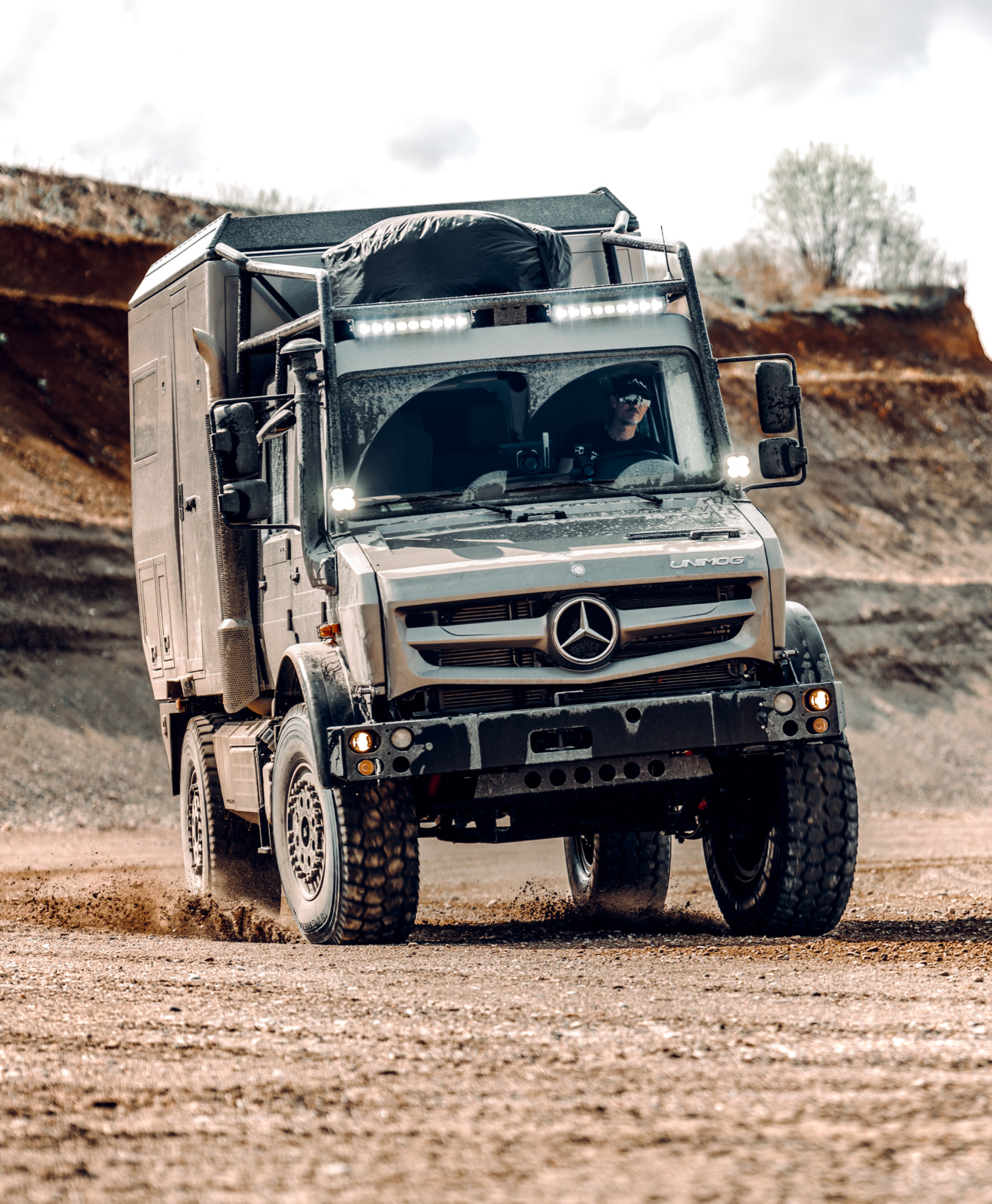
Discover this Mercedes Unimog Expedition vehicle by Alpha Wolf
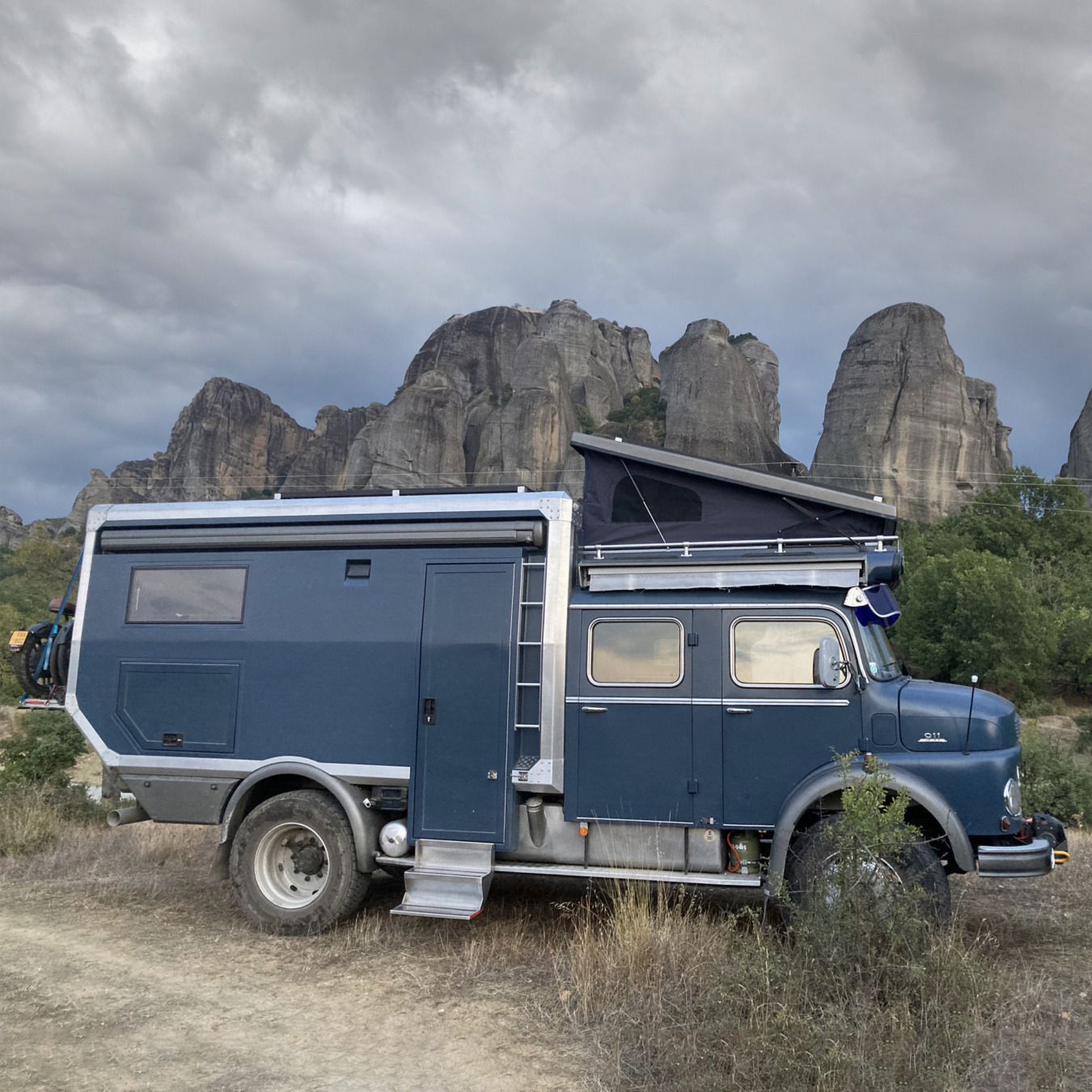
Discover this Mercedes Rundhauber 911 Hybrid expedition vehicle
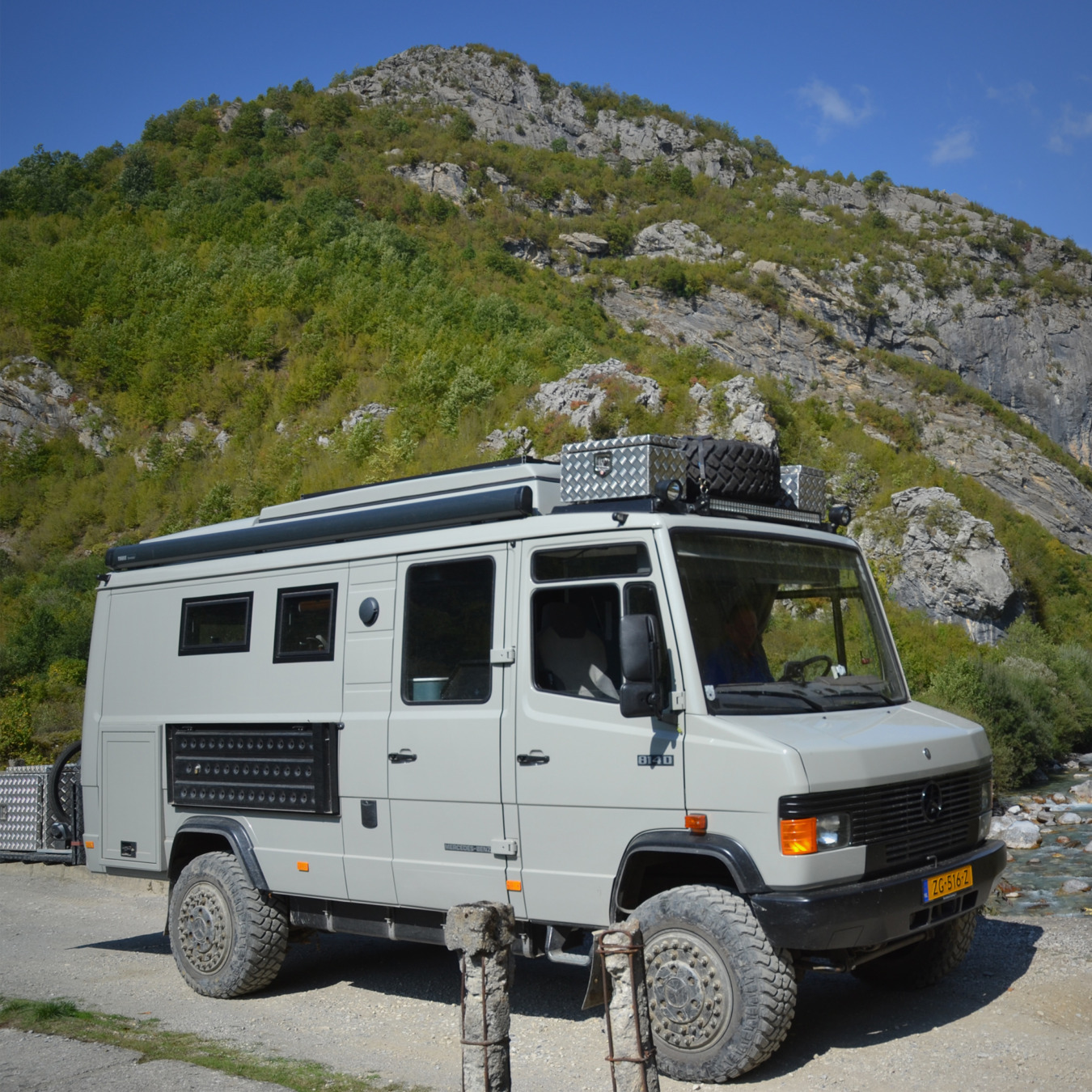
Discover this Mercedes Vario 4×4 Expedition vehicle