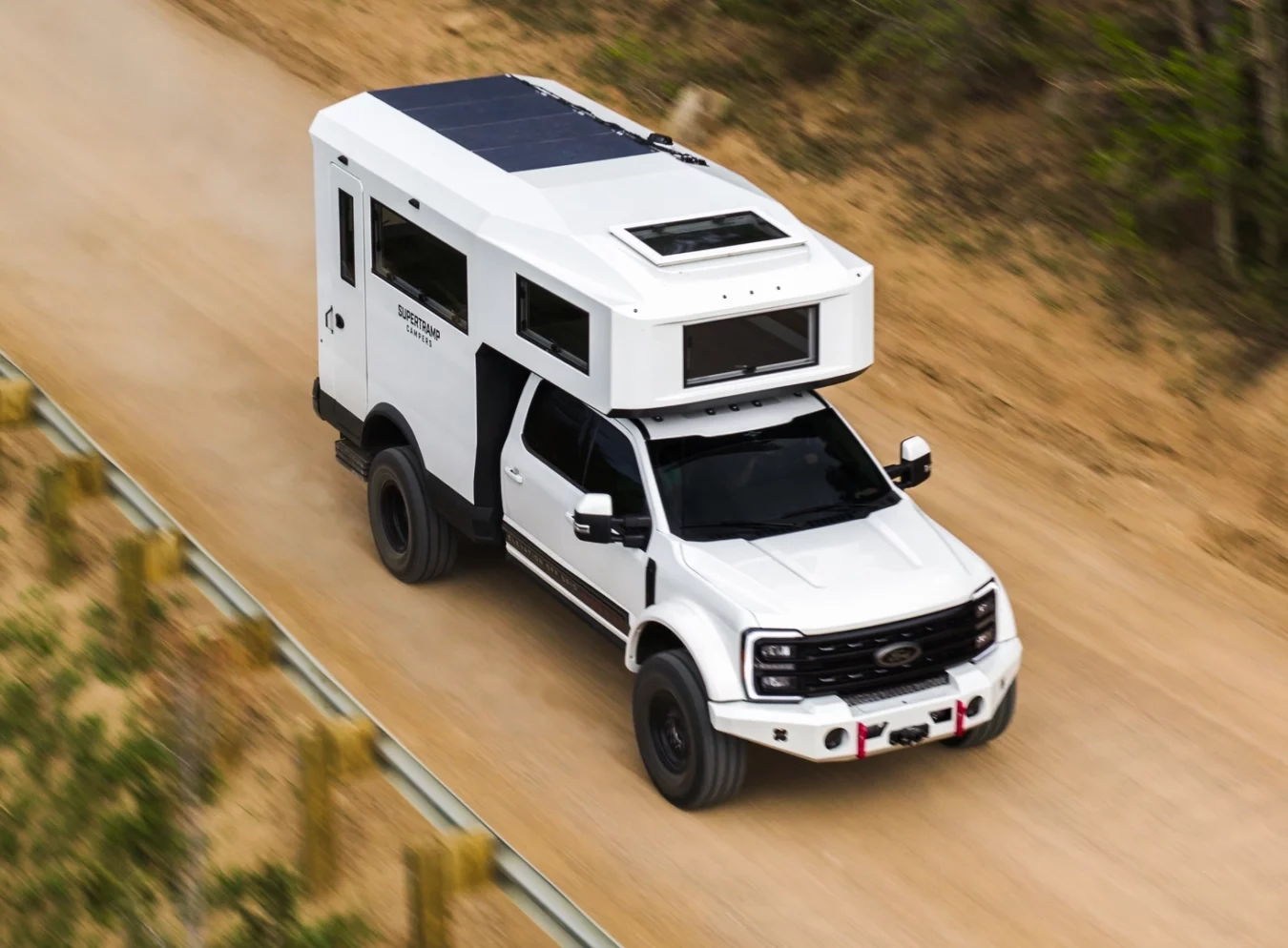
Travelling with campers: freedom requires thoughtful choices
Travelling with a camper means freedom. You determine the route, pace and places you stay. Whether that’s a short roadtrip, a long journey through multiple countries, or a life largely off the beaten path. That freedom also makes demands on the camper itself. The more intensive and longer the journey, the more important it becomes that comfort and technology are well aligned.
For campers used under changing conditions, details make the difference. Think of windows that seal without drafts, doors that can withstand intensive use, and ventilation that provides a comfortable interior climate. It’s these components that determine whether a camper remains comfortable, even in heat, cold or during long stays.
Different types of travel with a campervan
The type of travel determines what you should expect from a camper.
- Campers for short trips and holidays are often focused on flexibility, ease of use and a pleasant layout. Natural light, sleeping comfort and simple operation play an important role here.
- For long journeys or wintering, the focus shifts to reliability, low‑maintenance solutions and a construction that can withstand long‑term loads.
- For off‑grid living it goes a step further: maximum self‑sufficiency, good insulation, controlled ventilation and durable materials are then essential.
These differences require conscious choices in components such as camper windows, camper doors, insulation and ventilation systems. By aligning those choices with the type of trip, you get a camper that is not only pleasant to stay in but also technically sound.
Looking for motorhome parts?
We’re happy to help you find the products that best suit your camper and your journey.
Types of campers: from compact campervans to fully equipped expedition vehicles
There are different types of campers, each with its own use and technical requirements. Whether you make short weekend trips or are on the road for months, the choice of camper type determines the level of comfort, space and self‑sufficiency.
- Campervans
Campervans are compact vehicles, usually built on a panel van chassis. They are maneuverable, fuel‑efficient and easy to park. This makes them suitable for daily use and short trips. Inside, the comfort is limited but often efficiently arranged with a bed, a small kitchen and sometimes a pop‑top roof. Ideal for those who want to travel light and flexible. - Semi‑integrated campers
A semi‑integrated camper has a body built behind the driver’s cabin. These campers offer more interior space than van campers, without much compromise on driving comfort. Often equipped with a fixed bed, separate seating area and a wet room. Suitable for couples or small families who want to be on the road for longer. - Integrated campers
In integrated campers the cabin and living area form one unit. This provides maximum space and a sense of openness inside. These campers are fully equipped and focused on comfort: good insulation, generous kitchen, large water tanks and ample storage space. Especially suitable for long journeys or stays in various seasons. - 4x4 campers and expedition vehicles
For those who travel off the beaten track, 4x4 campers and expedition vehicles provide the solution. Built on a robust chassis and equipped with all‑wheel drive, they are suitable for rough terrain and off‑grid use. Think of travel through deserts, mountains or tundra. These vehicles require high‑quality technical components: well‑insulated constructions, ventilation that continues to work with dust and heat, and doors and windows that withstand intensive use.
Buying a camper
When buying a camper, it’s about making choices between speed, customization and technical control. There are broadly three routes: buying a ready‑to‑go camper, building it yourself, or having it converted. Each option has advantages and disadvantages, and calls for different considerations.
Buying a ready‑to‑go camper
A ready‑to‑go camper is immediately usable and often comes fully equipped. Ideal for those who want to hit the road quickly without delving into technical details. Keep in mind, however, that you may have limited freedom in layout, materials used and insulation values. Also, popular models are often limited in availability, which can lead to longer delivery times or compromises in configuration.
Converting a camper yourself
If you choose to build yourself, you decide everything: from layout to insulation materials, from windows to ventilation. This gives maximum control over comfort, use and quality. At the same time it requires technical knowledge, good preparation and attention to regulations, such as weight classes and inspection requirements. The choice of components is also decisive here: only well‑insulating windows, robust doors and efficient ventilation ensure a durable and quiet build.
Camper conversion by a professional builder
With a professional conversion you work together with a specialist who fits out the vehicle to measure. You either supply the base model yourself or choose a suitable base in consultation. Then you determine in cooperation the layout and components: windows, doors, roof vents, insulation and ventilation.
Are you converting your camper?
We’re happy to help you find the products that best suit your camper and your journey. Whether you’re looking for standard components or a custom solution for your specific project, we’re here to think along with you. Feel free to get in touch. We’re ready to support your project from start to finish.

For camper builders who want to deliver quality
If you build campers for sale to private customers or for rental, you know how important it is to work with reliable components. You look for materials that match your building method, meet regulations and withstand intensive use. At the same time you want consistent delivery, without depending on unreliable stock or variable quality. That requires technical solidity and delivery reliability.
In practice that means: components that are easy to install, have clear product specifications and remain available for series production or custom projects. Think of windows that can be mounted without thermal bridging, doors that still close well after frequent use, or insulation materials that meet both your client’s requirements and your own standards. With the right components you work more efficiently, build better and deliver campers you stand behind.
Camper components: the technical basis of comfort
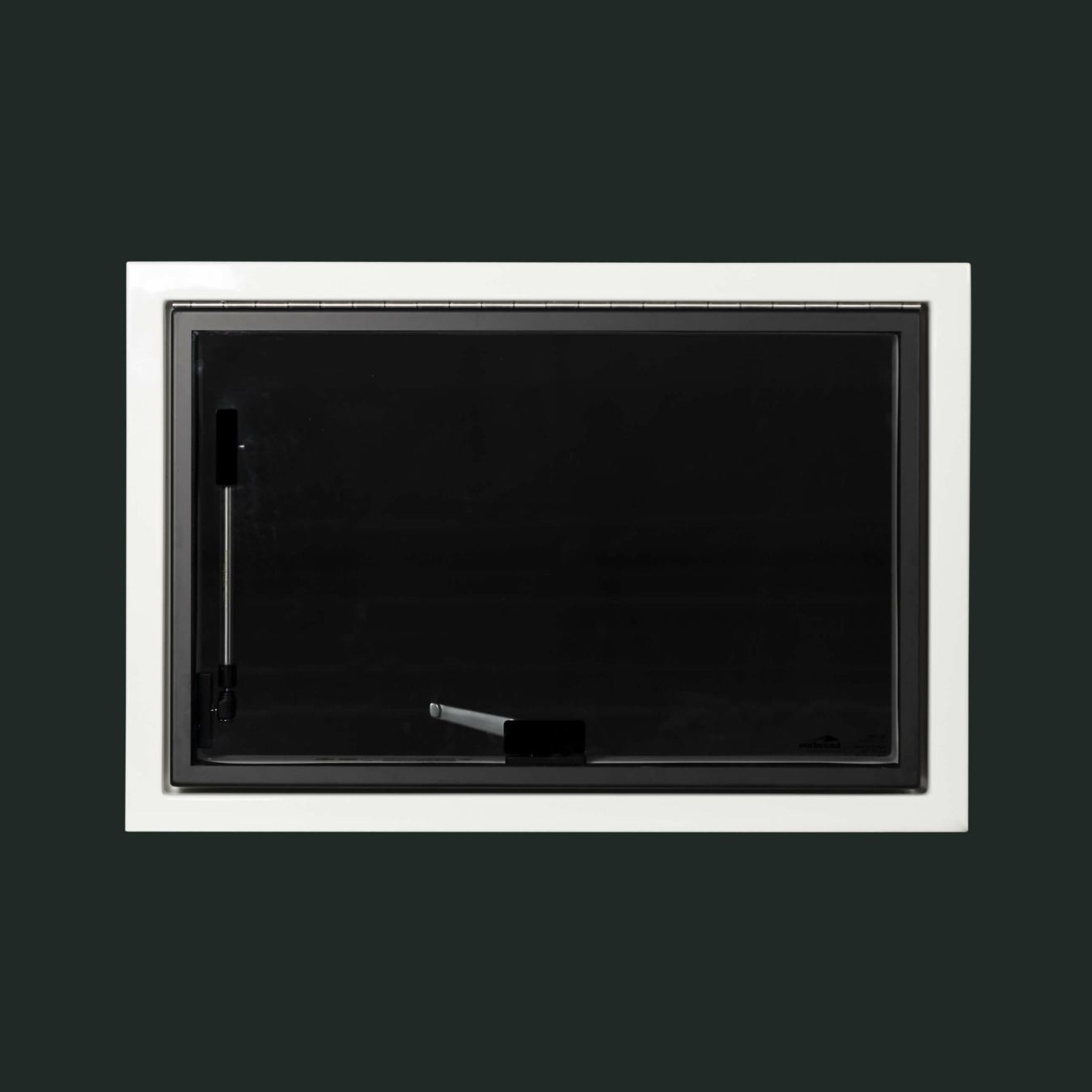
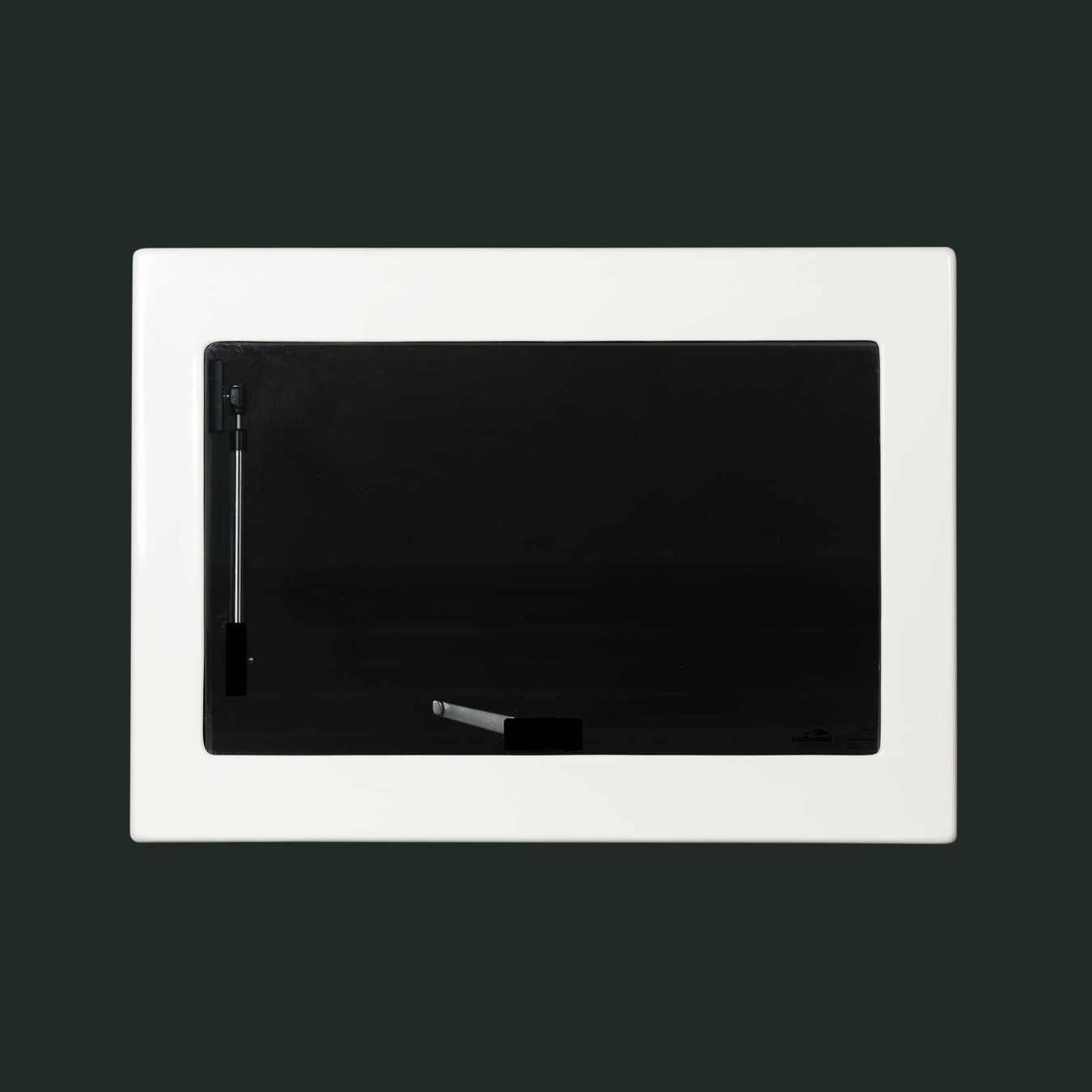
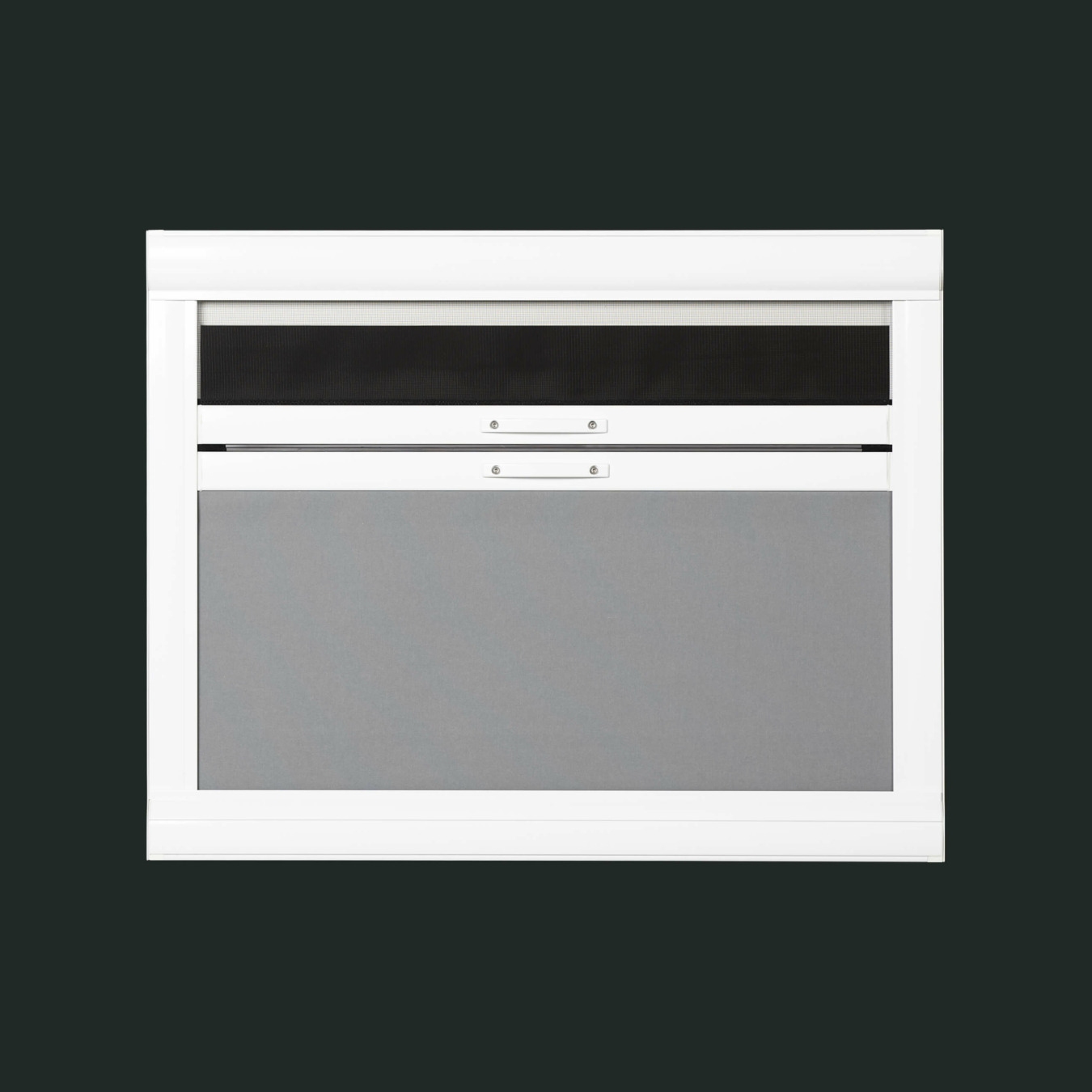
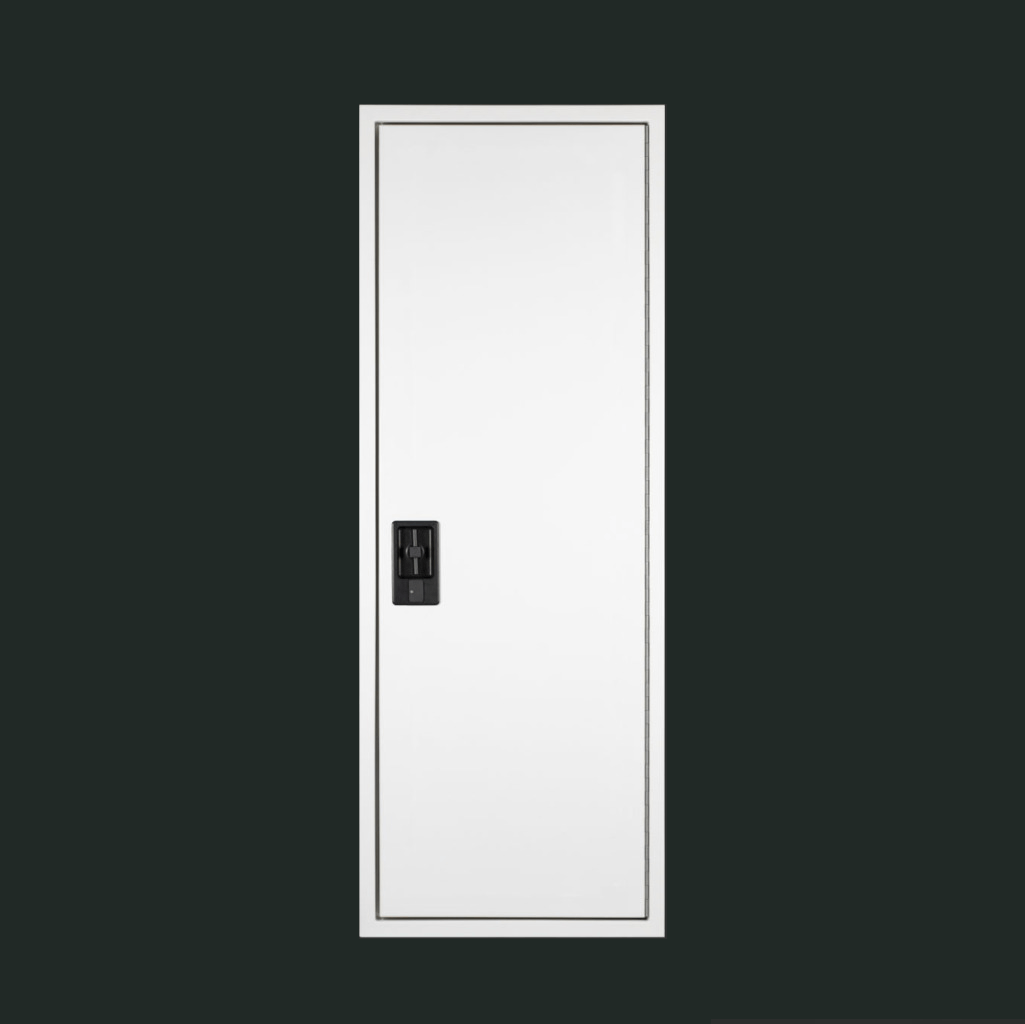
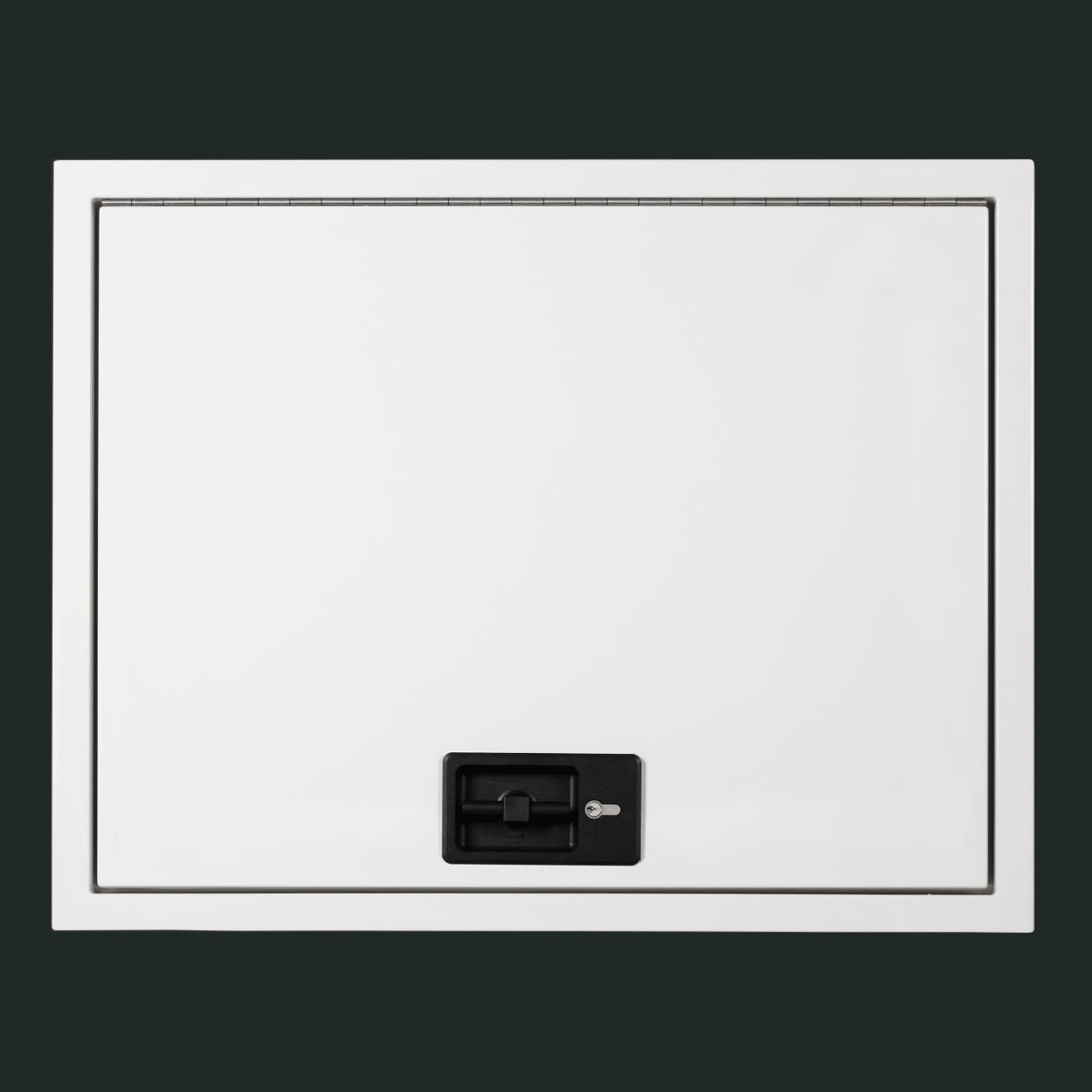
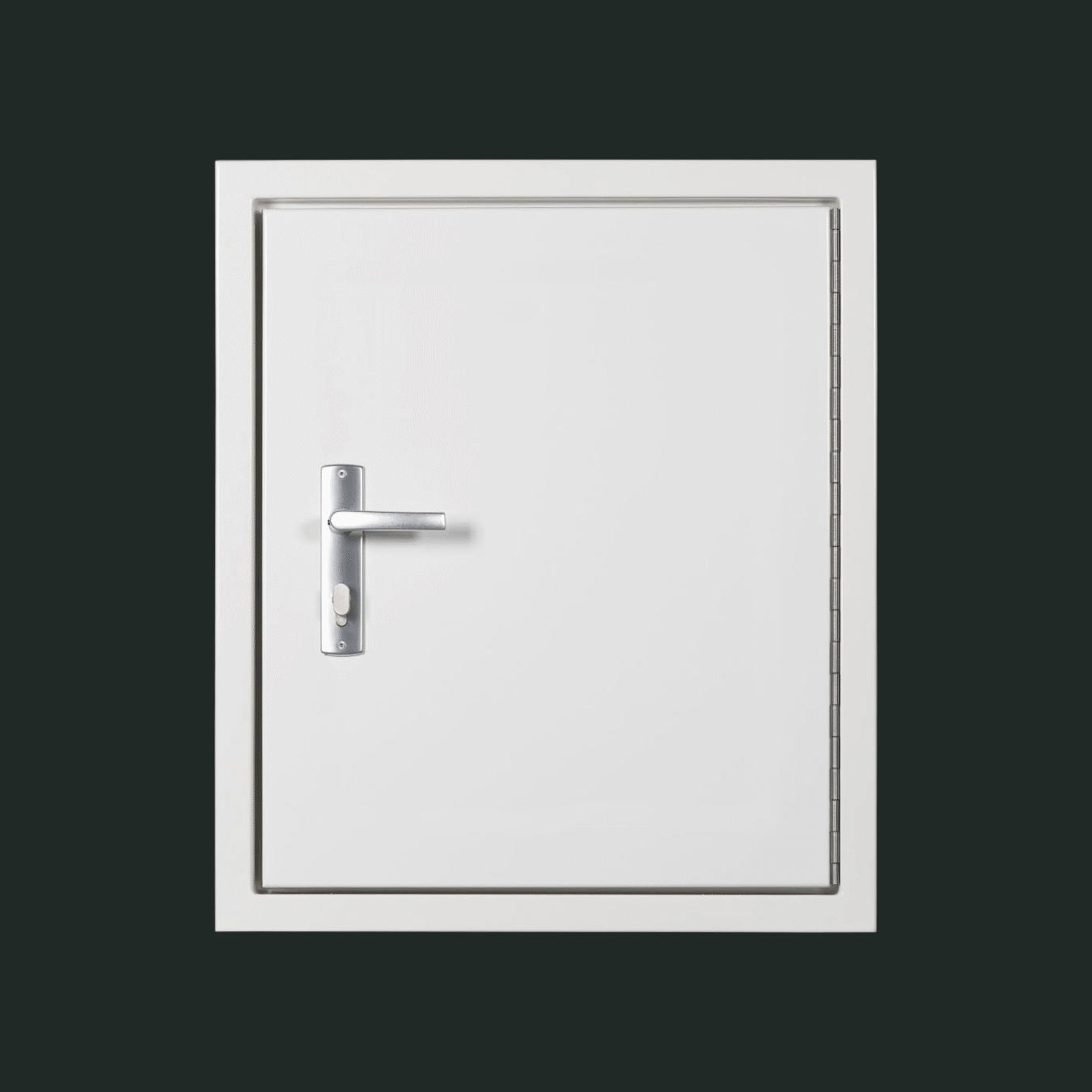
We’ve said it before but comfort in a camper stands or falls with the quality of the components used. Windows, doors, ventilation and insulation not only determine the interior climate, but also how quiet, warm or draft‑free a vehicle feels. Camper components that insulate well and fit seamlessly prevent thermal bridges, condensation and noise. Durability also plays a role: materials must withstand vibration, temperature changes and intensive use. By choosing well‑considered, reliable components from the start, you lay the foundation for a comfortable camper that performs in every season.
Discover all products
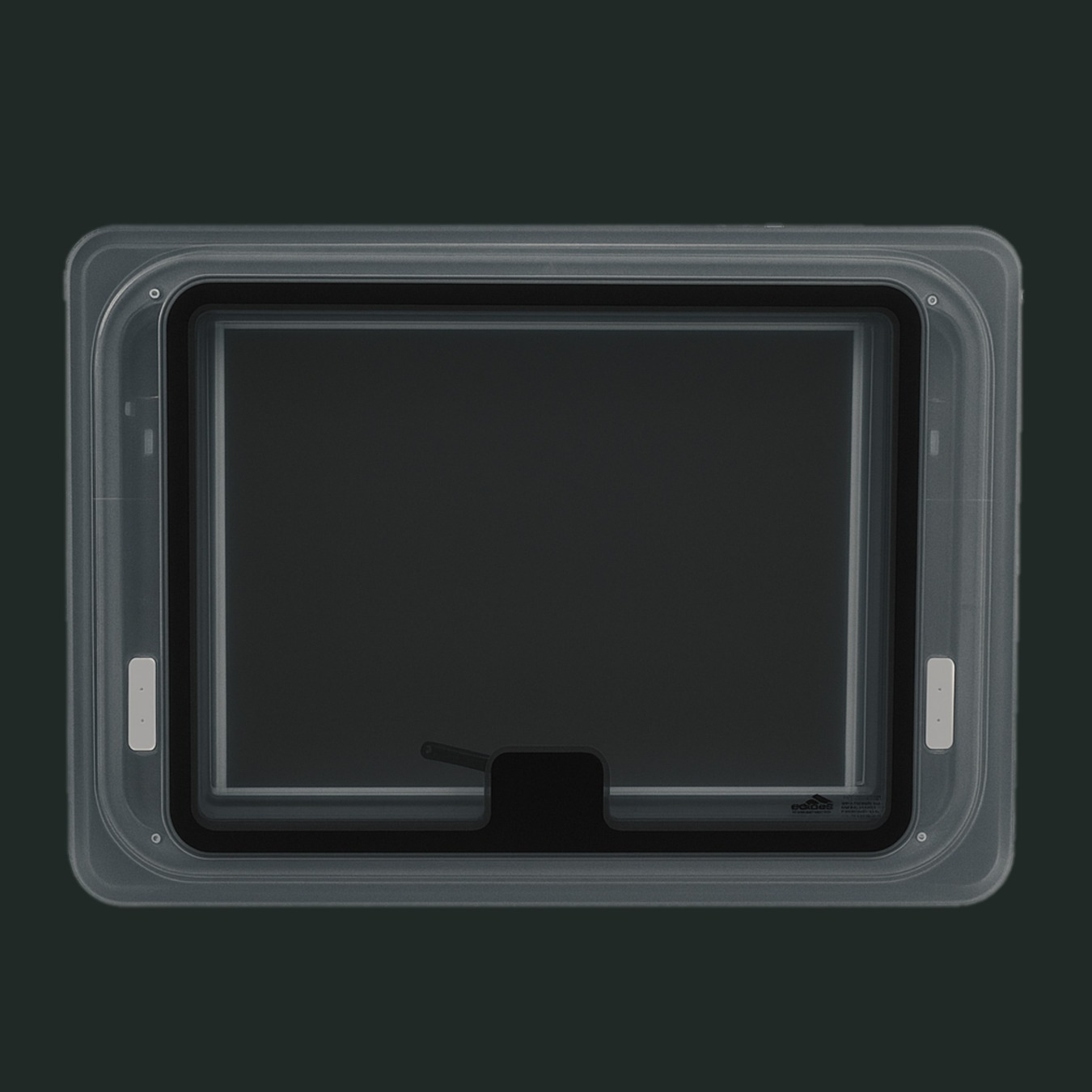
Camper brands and quality differences
Camper brands differ greatly in design philosophy, material use and technical execution. Some focus on compact travel and multifunctional use, others on comfort during long stays or driving in harsher conditions.
Within the van camper category, brands such as Pössl, Globecar, La Strada, Roadcar, Sunlight, Westfalia, Dreamer, Vantourer and Karmann are interesting due to their compact build and smart layouts. For this type of vehicle, our new roof vent is a suitable addition, due to its low weight and efficient ventilation.
In addition, there are brands that build compact campers with a body on a chassis, such as Dethleffs, Bürstner, Knaus, Adria, Hymer and Weinsberg. These models combine the maneuverability of a smaller camper with more interior space, but at the same time place different demands on components like windows and insulation.
For larger campers and more luxurious models, such as those from Morelo, Niesmann+Bischoff, Phoenix and Carthago, weight and robustness of components are crucial. Here every choice counts for comfort, safety and durability.
Many brands serve multiple segments. For example, Adria offers both campervans and fully equipped campers with a body. A good understanding of these differences helps in selecting appropriate components, tailored to the type of vehicle and the intended use.
Regulations and compliance
When selecting and installing components in a camper, regulations play an important role. This includes requirements for gas systems, electrical installations, and ventilation. These systems must be installed safely and comply with applicable standards, such as those used during an RDW inspection. In addition, component choices affect the total weight and weight distribution of the vehicle, which are critical for approval and safe use. By considering these factors during the build, you avoid adjustments later and ensure a reliable system that performs under all conditions. Road tax is also influenced by the vehicle’s weight and classification, making it an important factor to consider early in the process.
Get inspired
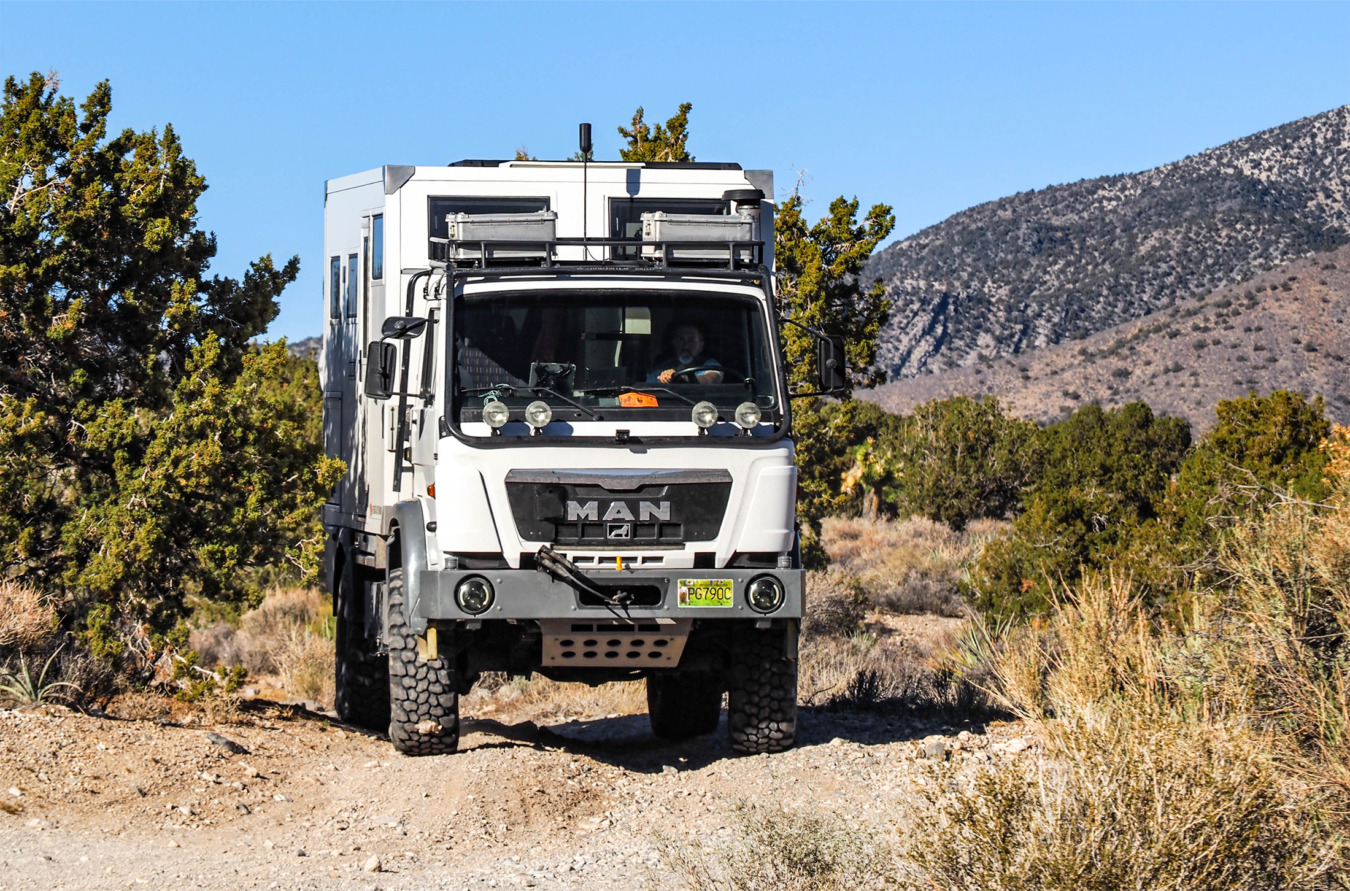
Discover this MAN G90 4×4 Expedition vehicle
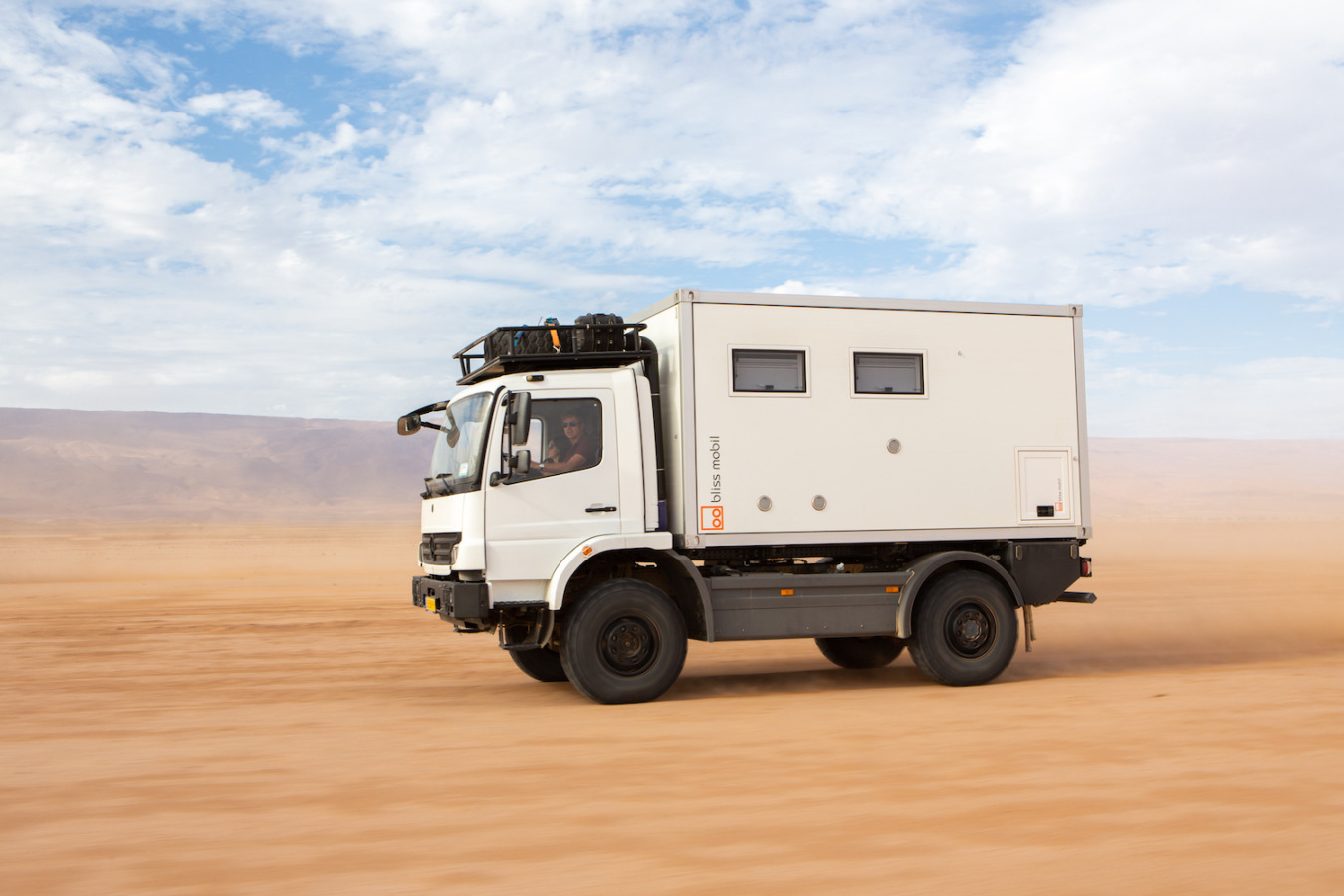
Discover this Mercedes Artego 4×4 by Bliss Mobil
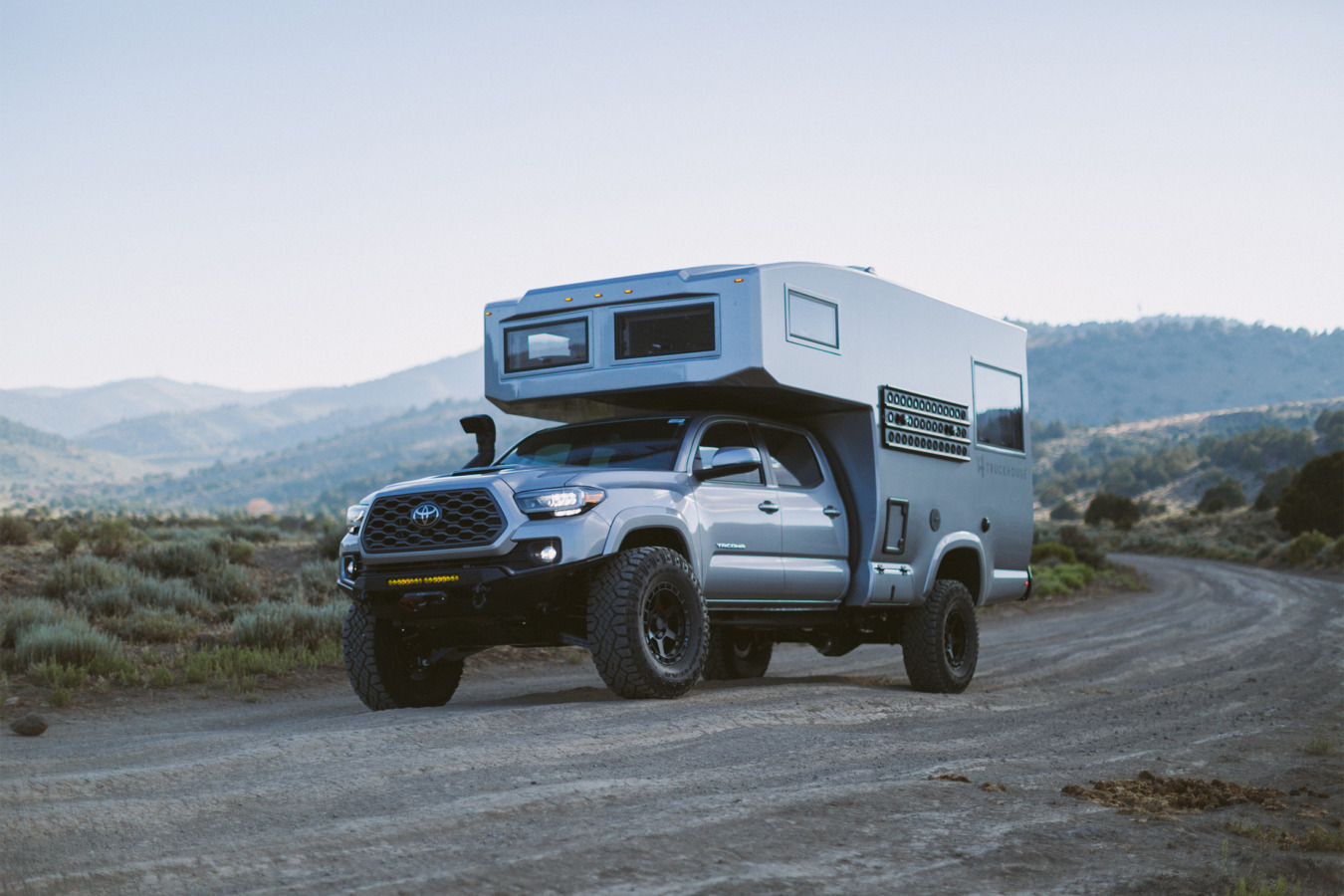
Discover this Toyota Hilux Expedition vehicle by Truckhouse BCT
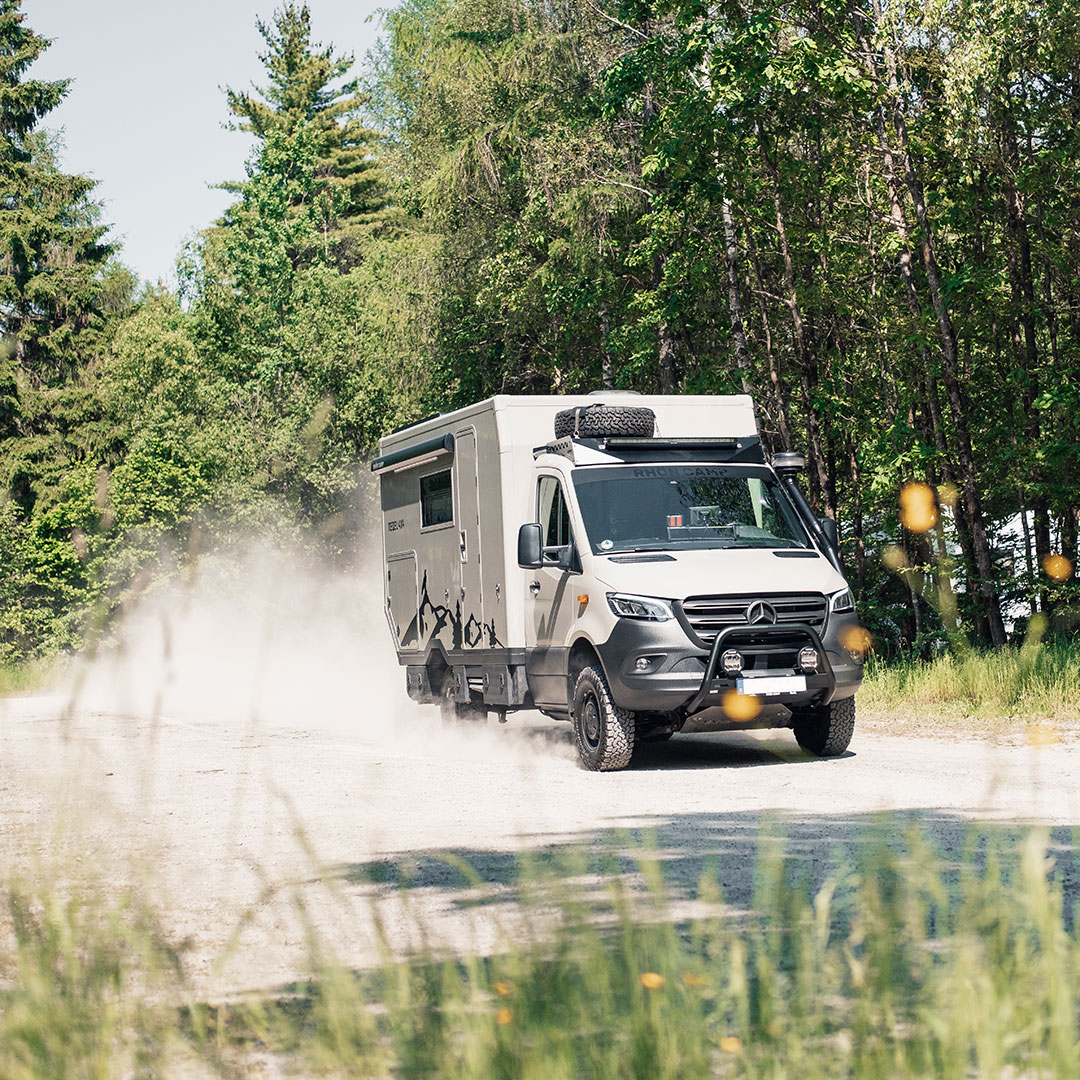
Discover this Mercedes Sprinter 4×4 Expedition vehicle by Röhn Camp
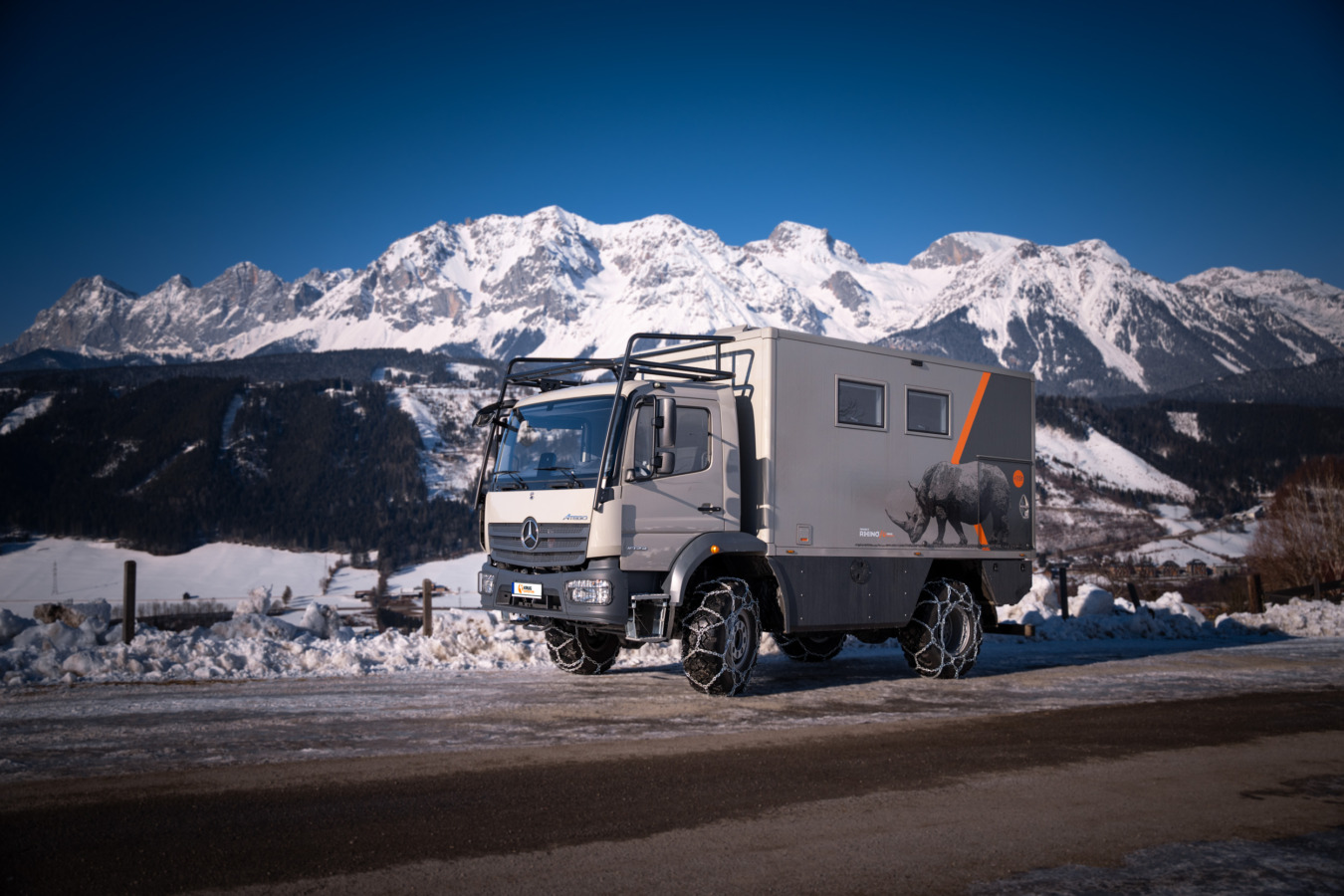
Discover this Mercedes Atego 4x4 Expedition vehicle by Krug Expedition
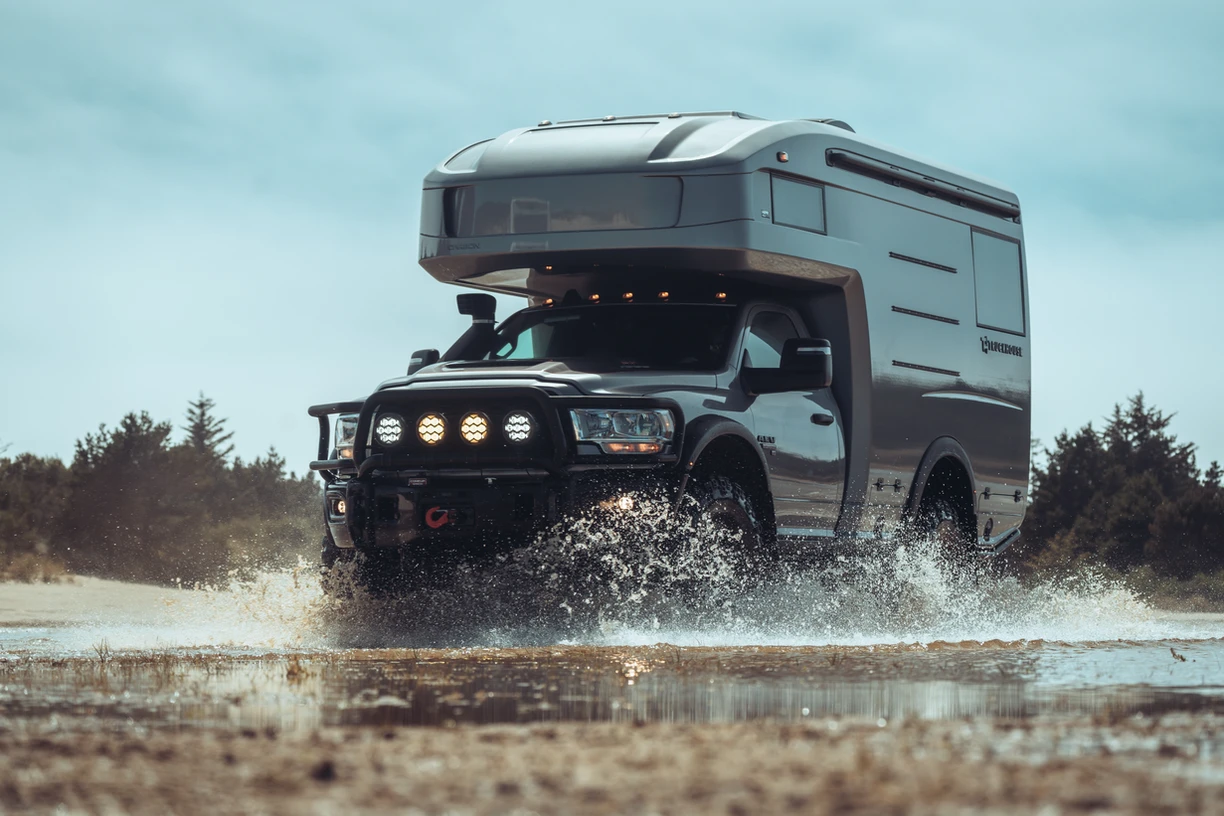
Discover this Dodge RAM 3500 Expedition vehicle By Truckhouse
Frequently asked questions
Condensation can be prevented through a combination of good insulation and proper ventilation. By continuously circulating air and avoiding thermal bridges, you can limit moisture problems.
Warm air contains moisture. When this air cools upon contact with cold surfaces, condensation forms. This is often seen on windows, metal parts, or poorly insulated walls.
Good insulation ensures that interior surfaces cool down less quickly, reducing the chance of moisture settling on them. Avoiding thermal bridges plays an important role in this.
Ventilation is just as important. By bringing in fresh air and removing humid air, the indoor climate stays balanced. This can be done through roof hatches, windows, or ventilation grilles. Ventilation is necessary even during cold weather.
Thermal bridges occur in places where heat is conducted to the outside through materials. This often happens at metal connections or poorly insulated components. The result is heat loss and condensation.
You can prevent thermal bridges by consciously choosing the right construction methods and materials.
Preferably use insulating materials such as composites instead of metal. Composites conduct less heat and help maintain a more stable indoor climate. This is reflected, for example, in wall structures and window constructions.
Also pay attention to the connections between components. Transitions between walls, windows, and the roof are critical points. If these are not properly constructed, thermal bridges can easily form there.
Camper windows are a weak point in insulation if they are not properly designed. Windows without thermal bridges and with good sealing reduce heat loss and condensation.
For off-grid use, you choose components that are reliable and require little maintenance. Think of well-sealed windows, durable materials, and systems that can operate independently.
A camper requires both natural and forced ventilation. Roof hatches and windows provide airflow. This prevents moisture buildup and keeps the indoor climate stable.
You can prevent condensation by combining good insulation with proper ventilation. By continuously circulating air and avoiding thermal bridges, you can limit moisture problems.