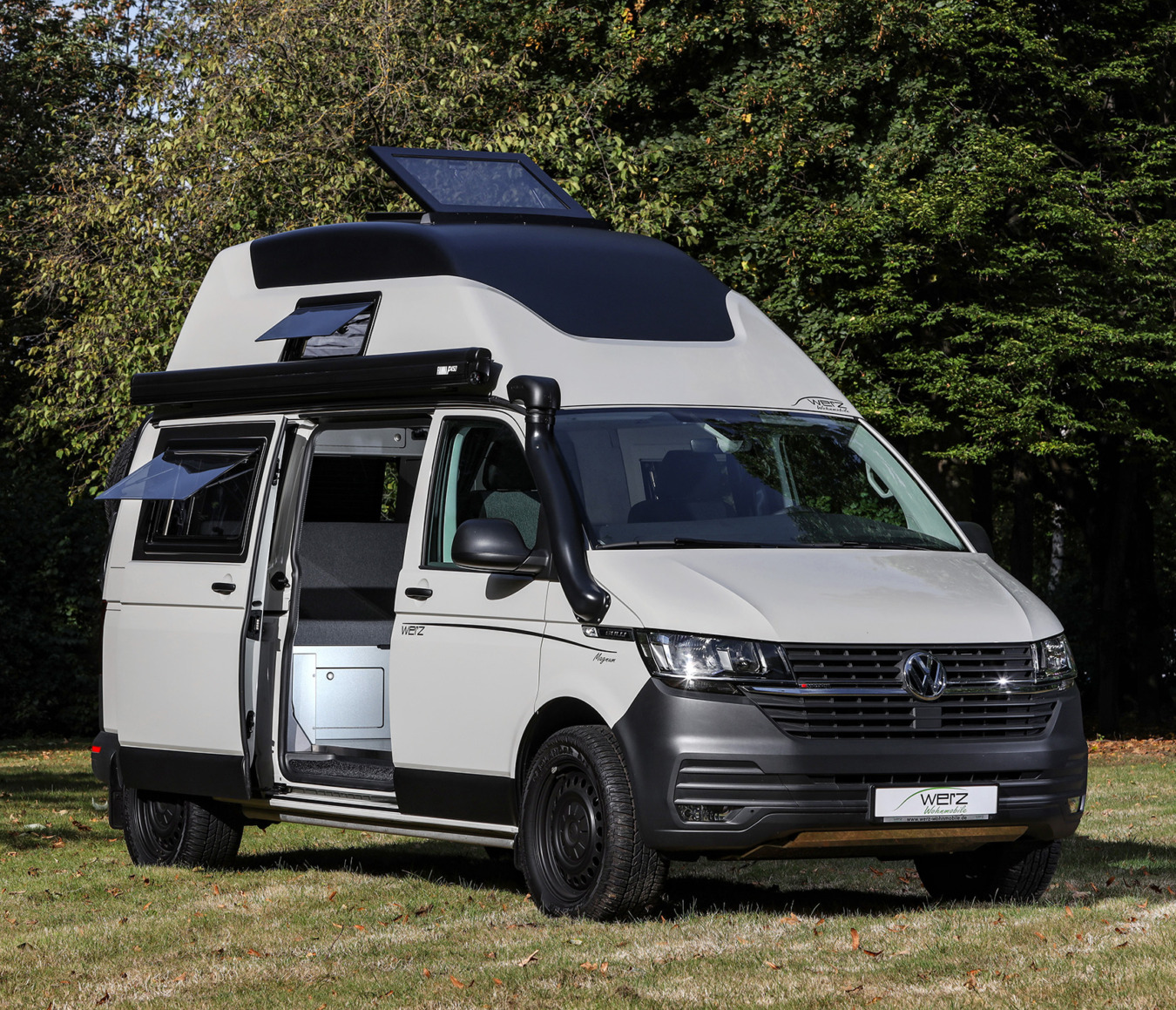
What are the best camper brands?
There are dozens of brands active in the camper market. Many of them build on the same chassis, such as the Fiat Ducato, Mercedes Sprinter or Peugeot Boxer. What sets them apart is mainly how they design the interior, which materials they use, and how they handle insulation, weight and layout. Broadly speaking, camper brands can be divided into three categories:
- Campervans (compact, mobile, built on van chassis)
- Compact coachbuilt campers (more living space, fixed layout)
- Large campers or premium brands (high comfort, suited for long-term travel)
Below we discuss brands known for their solid build, reliability and thoughtful design in each segment.
Campervans: Compact and functional brands
Campervans are agile and suitable for daily use, city trips or short holidays. They combine mobility with a compact living space. Within this category, some brands stand out in terms of finish, space efficiency or price-quality ratio.
Well-known campervan brands:
- Pössl: Medium comfort, small space, high reliability, mid-range price (€€)
- Globecar: High comfort, small space, high reliability, higher price (€€€)
- La Strada: High comfort, small space, very high reliability, higher price (€€€)
- Roadcar: Medium comfort, small space, medium reliability, entry-level price (€)
- Sunlight: Medium comfort, small space, medium reliability, mid-range price (€€)
- Westfalia: High comfort, small space, very high reliability, higher price (€€€)
- Dreamer: Medium comfort, small space, high reliability, mid-range price (€€)
- Vantourer: High comfort, small space, high reliability, higher price (€€€)
- Karmann: Low comfort, small space, medium reliability, entry-level price (€)
These brands mainly differ in finish and technical details, such as insulation materials, ventilation options, type of windows and ease of maintenance. For everyday use or city travel, a compact model like Pössl or Roadcar is often sufficient. Those going on longer journeys benefit from better insulation and quiet interior finish offered by brands like La Strada or Westfalia.
Compact built campers
Camper brands that build vehicles with a coachbuilt body on a chassis offer more space and comfort than campervans. These campers typically have a fixed bathroom, kitchen and seating area, and are often wider. Ideal for longer trips or travelling with multiple people. Strong brands in this segment:
- Dethleffs: Solid construction focused on practical layouts and long lifespan.
- Bürstner: Comfortable interiors with attention to detail, ideal for couples or families.
- Knaus: Wide range from entry-level to more luxurious models.
- Adria: Modern design and reliable technology, popular across Europe.
- Hymer: Known for high-quality finish, quiet interiors and effective insulation.
- Weinsberg: Practical layouts at a more accessible price, ideal as a first camper.
In this segment, pay attention to weight, insulation, noise damping and parts availability. Brands like Hymer and Adria often use composite materials for the walls, contributing to durability and comfort.
Are you converting your camper?
We’re happy to help you find the products that best suit your camper and your journey. Whether you’re looking for standard components or a custom solution for your specific project, we’re here to think along with you. Feel free to get in touch. We’re ready to support your project from start to finish.

Discover all products
Large campers and premium brands
For intensive use, winter travel or off-grid living, premium brands offer more comfort and technical independence. These campers are larger, heavier and built for durability and reliability. Premium camper brands:
- Morelo: High-grade materials, great driving comfort, suited for long-distance travel.
- Niesmann+Bischoff: Premium look and solid technical build.
- Phoenix: Rugged construction, high ground clearance and off-road capabilities.
- Carthago: Technically strong, well insulated, and thoughtfully laid out.
If you’re looking for a camper built for many years of intensive use, it’s important to carefully examine the technical foundation of these models. Think heating systems, aluminium or GRP construction, double floors and electrical autonomy.
Multiple segments within one brand
Some camper brands offer models across multiple segments. This allows you to choose between a campervan, a semi-integrated or a fully integrated model within the same brand, without compromising on quality. Examples:
- Adria: from compact Twin vans to luxury Matrix models.
- Hymer: from small vans (Free, Ayers Rock) to large integrals.
- Dethleffs: broad range with clear segmentation and solid construction.
This is appealing for travellers who want to stay loyal to one brand or gradually move up over time.
How to choose the right camper brand
Choosing a camper brand is about more than appearance or reputation. The technical execution greatly affects comfort on the road and potential for customisation.
Intended use
Do you want to use your camper daily, go on long trips, or take short weekend breaks? A campervan is usually enough for shorter trips, while a coachbuilt camper offers more comfort for longer journeys.
Insulation and ventilation
Thermal bridging, condensation or noise often result from poor insulation or ventilation. Choose brands that use GFRP, XPS or closed-cell insulation and provide proper roof vents, air grilles and detailed finish.
Technical execution
Think about weight class, body construction (wood-free or sandwich panels), plastic components, pipe layout and whether it’s suitable for solar panels or roof ventilation.
Maintenance and parts
A camper should last for years. Choose a brand with easy access to parts like windows, roof hatches, doors and seals. This reduces downtime and simplifies future upgrades.
Build quality and finish
Details like the type of latches, seal tightness, noise reduction and how furniture is mounted say a lot about a camper’s lifespan. Brands like Hymer, Carthago and Morelo generally score high here.
Parts for the best camper brands
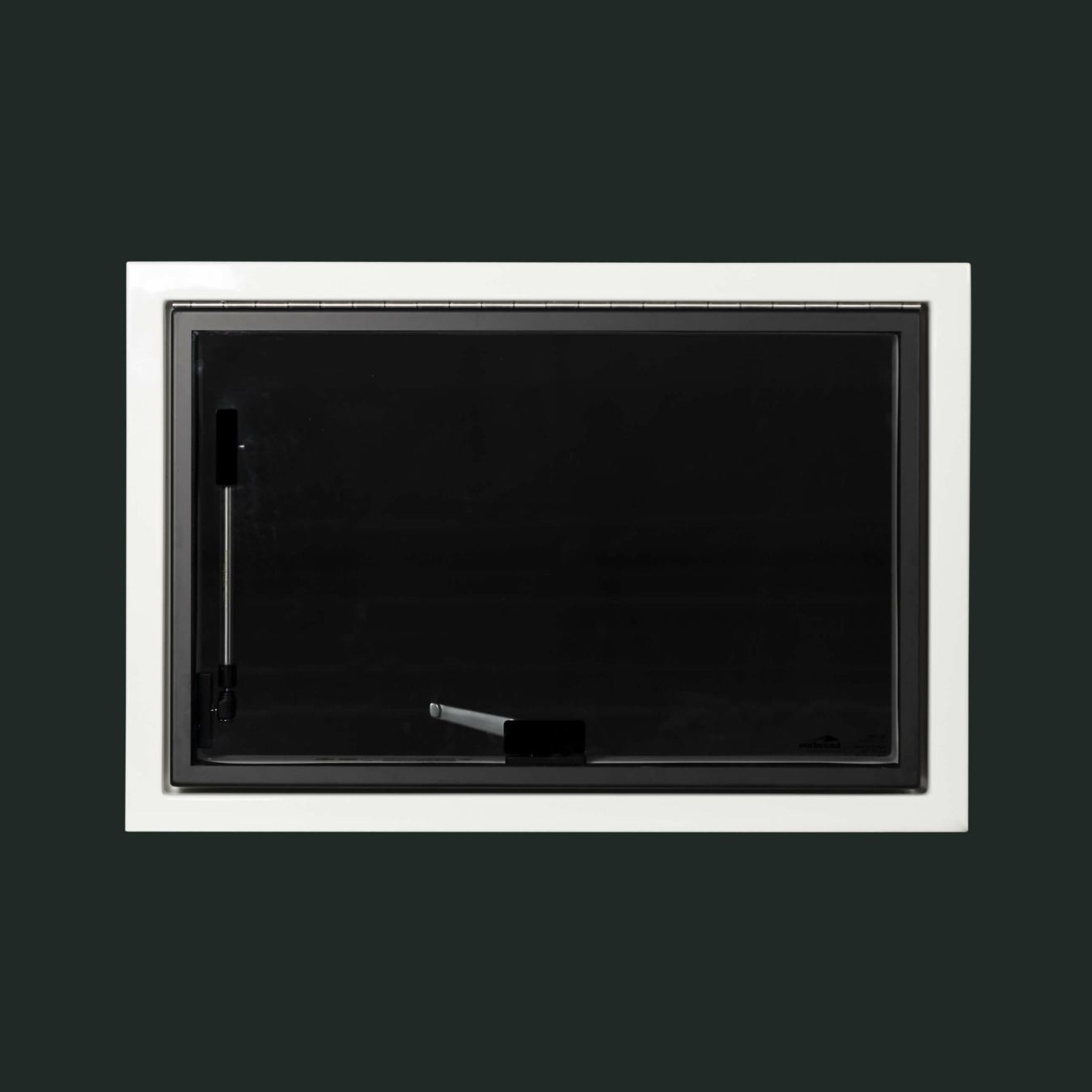
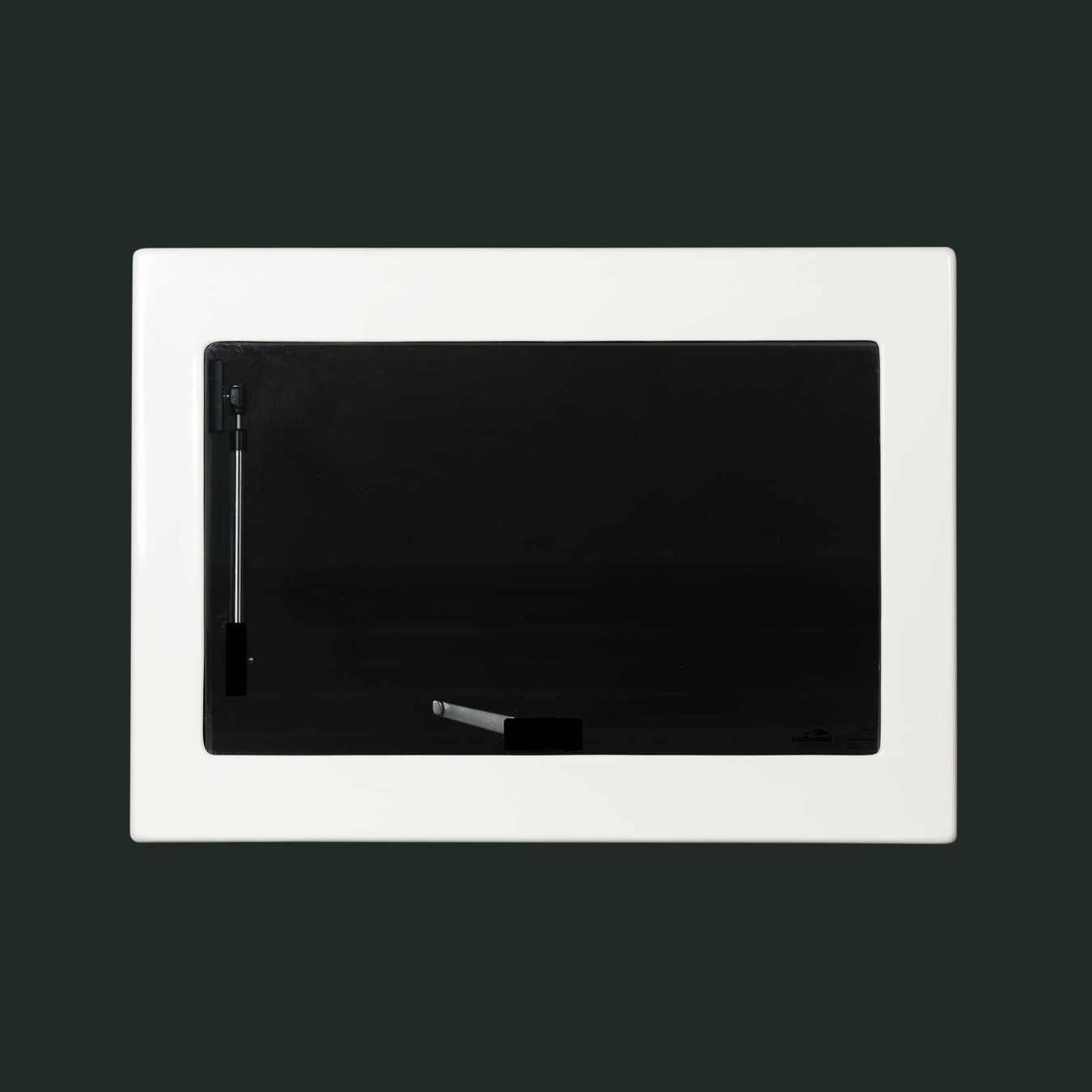
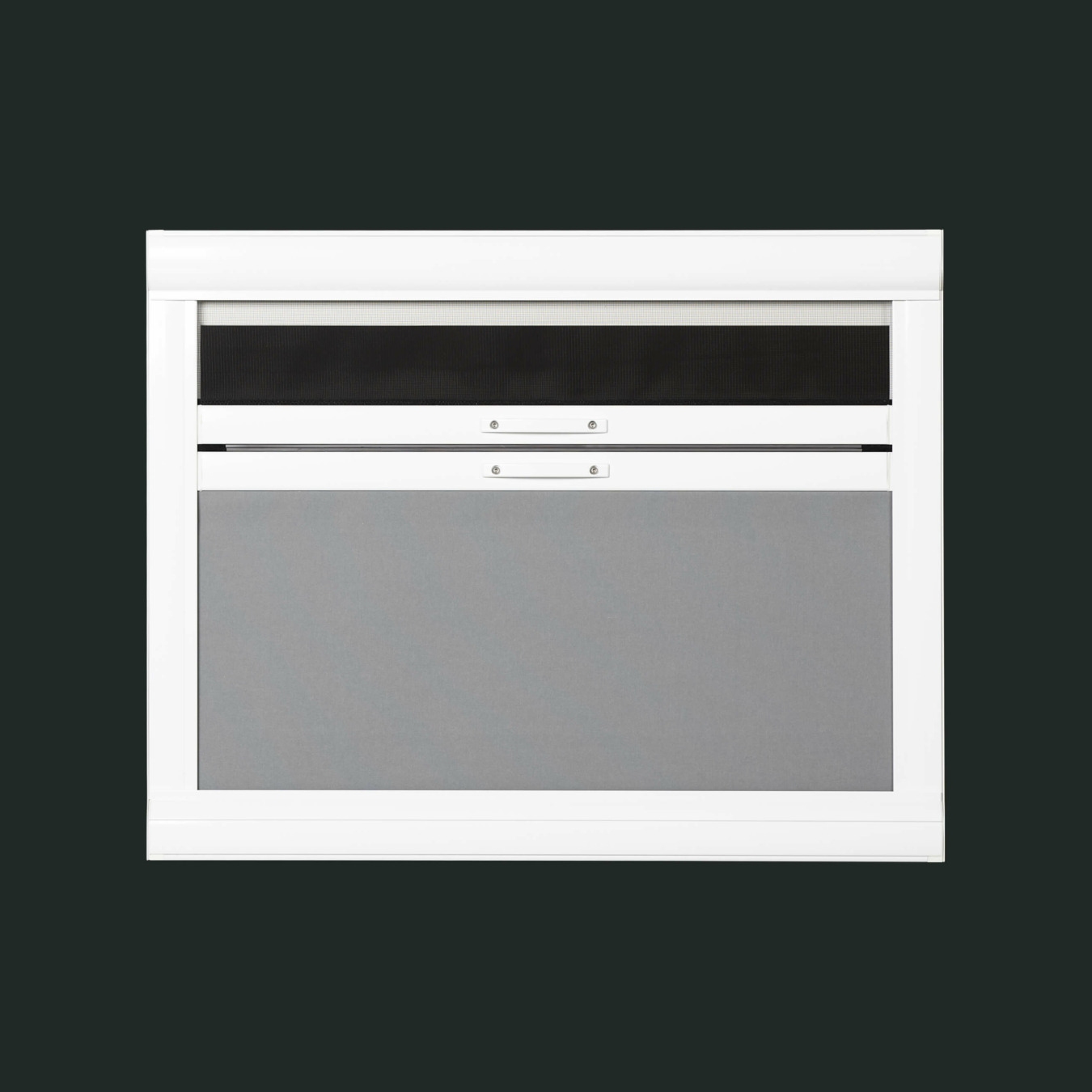
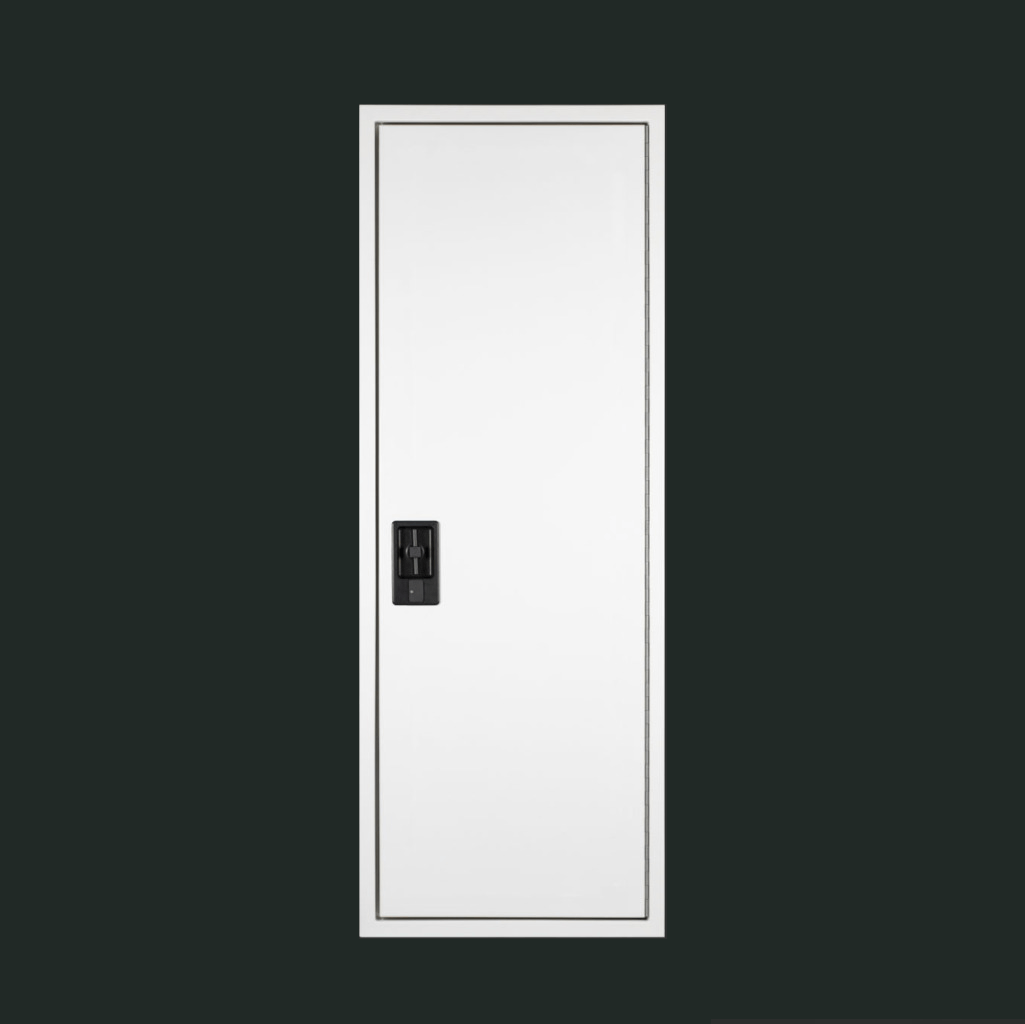
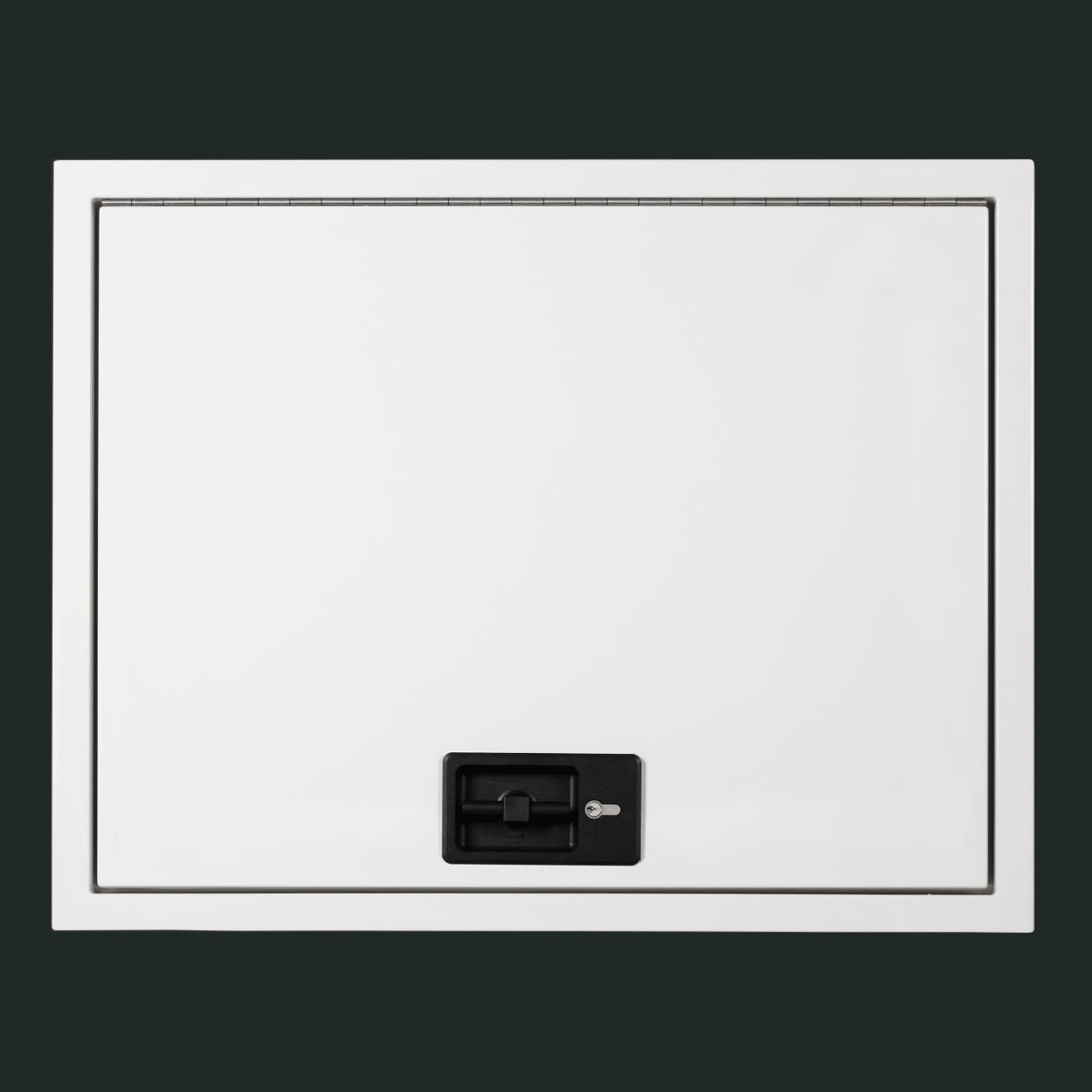
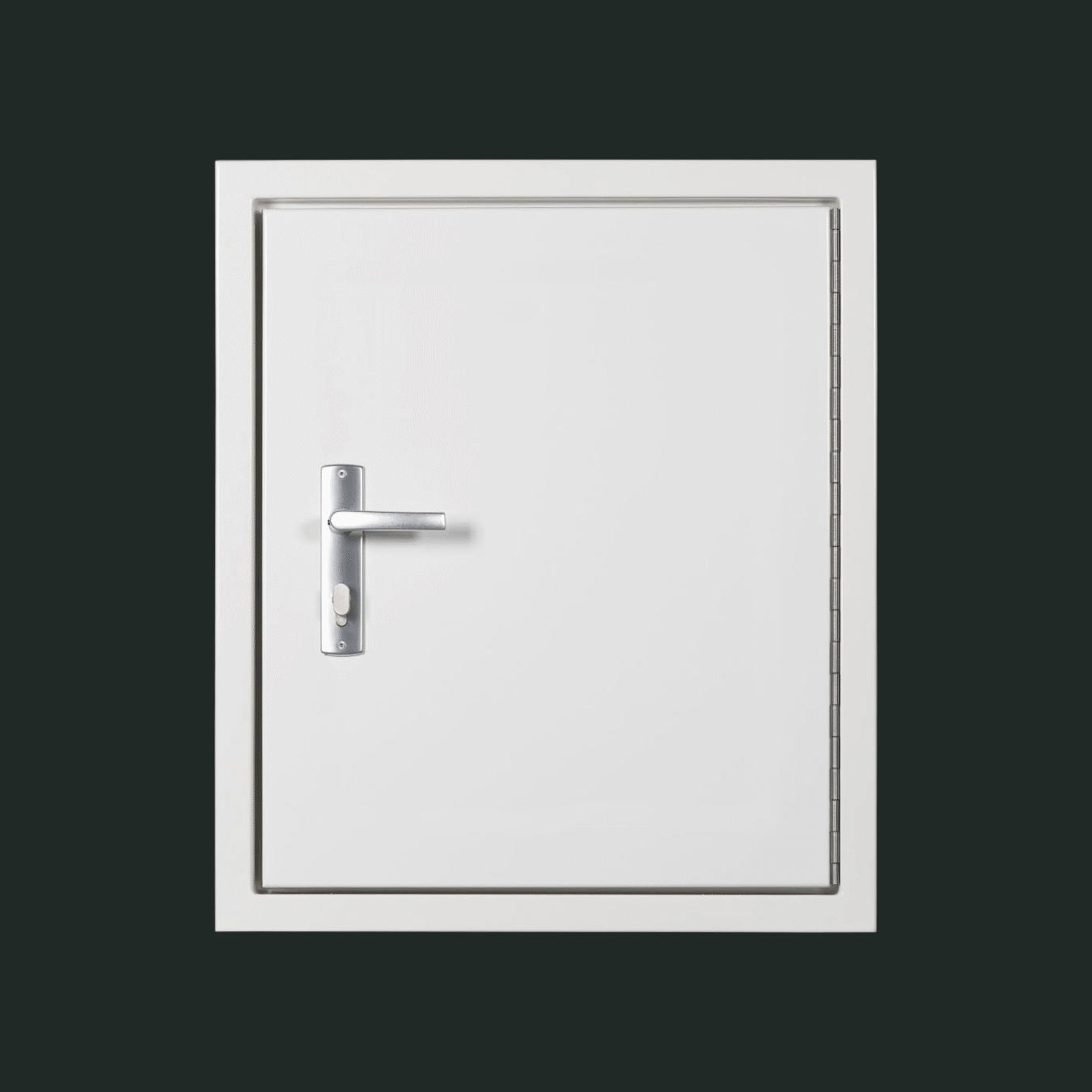
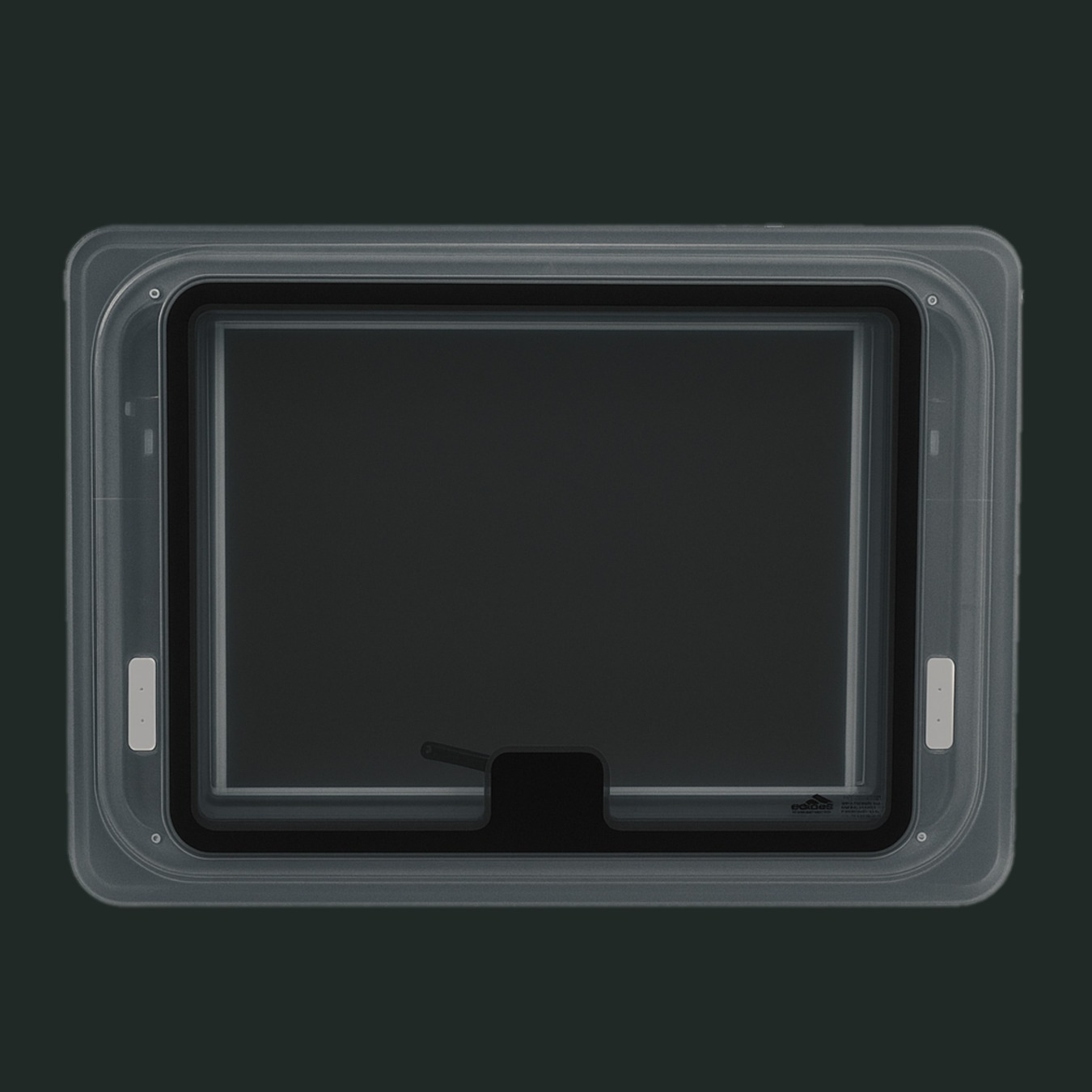
Looking for components that match these camper brands? At Outbound you’ll find technical parts for campervans, coachbuilt campers and expedition vehicles. Think lightweight roof hatches, air vents, insulated doors and robust window constructions.
Our products are designed for long-term use, even under tough conditions. Thanks to thoughtful construction and precise dimensions, they can be integrated into vehicles from a wide range of brands and segments. This improves comfort, ventilation and reliability, no matter which brand of camper you own.
Get inspired
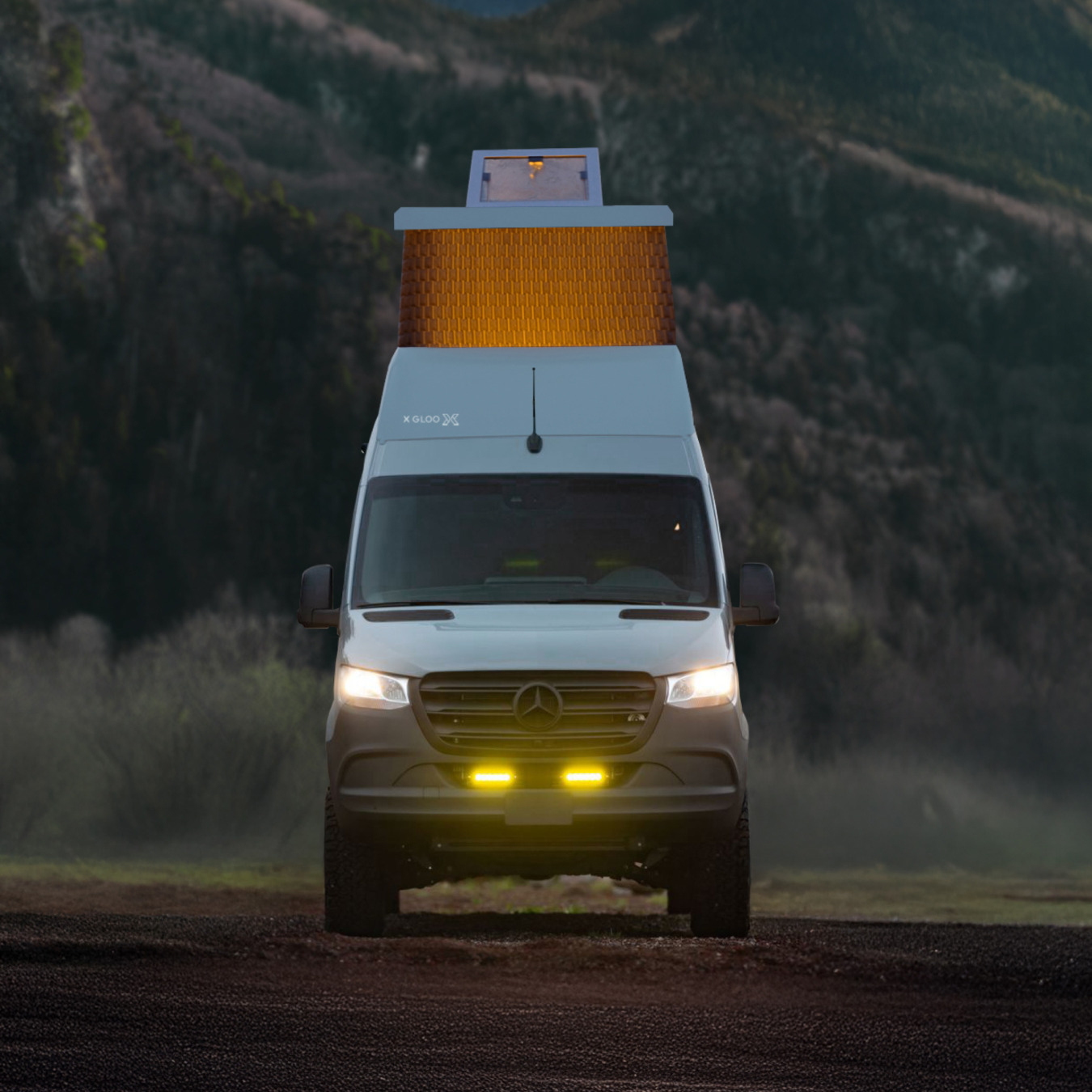
Discover this Mercedes Sprinter Pop-Top Roof by XGLOO
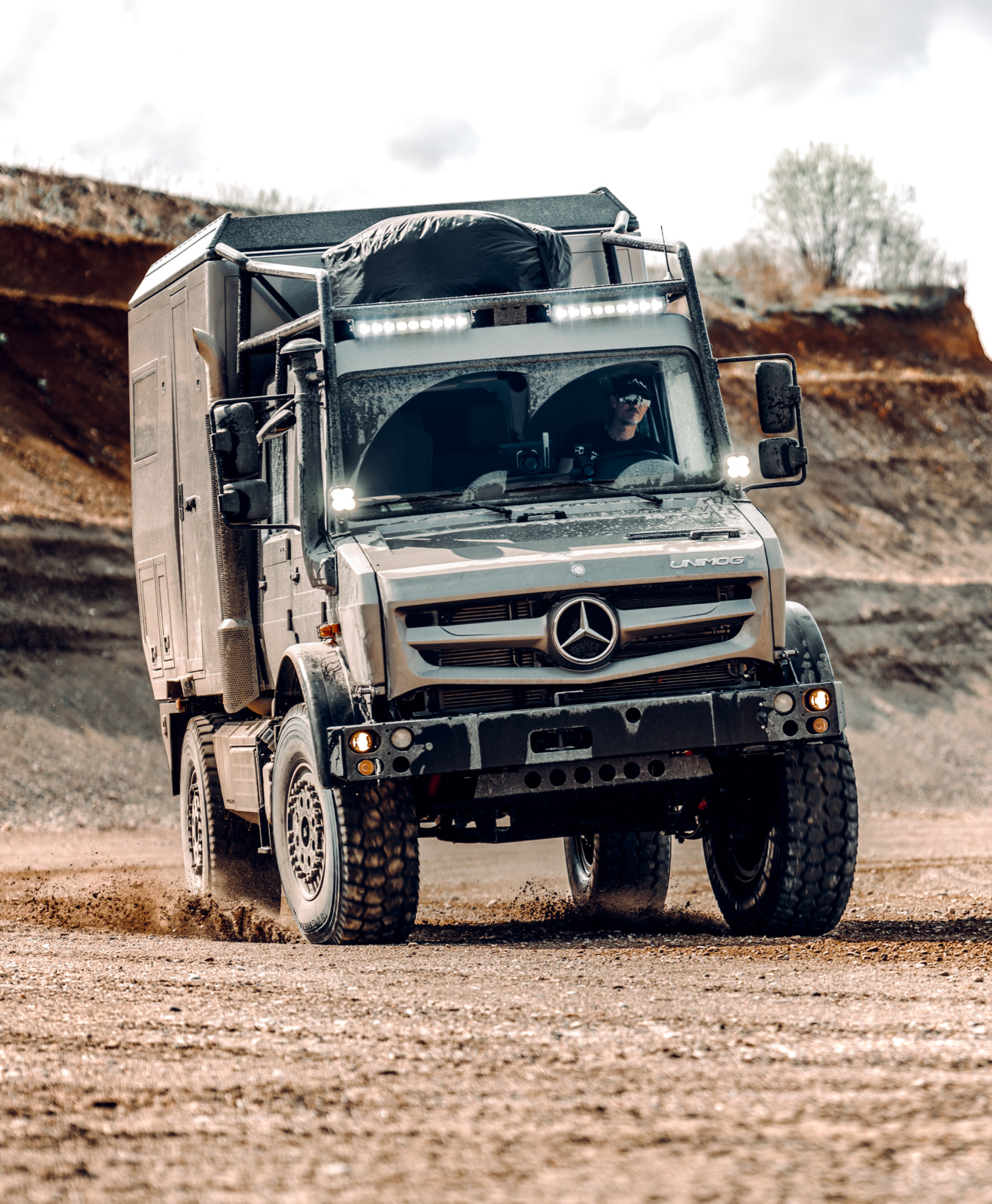
Discover this Mercedes Unimog Expedition vehicle by Alpha Wolf
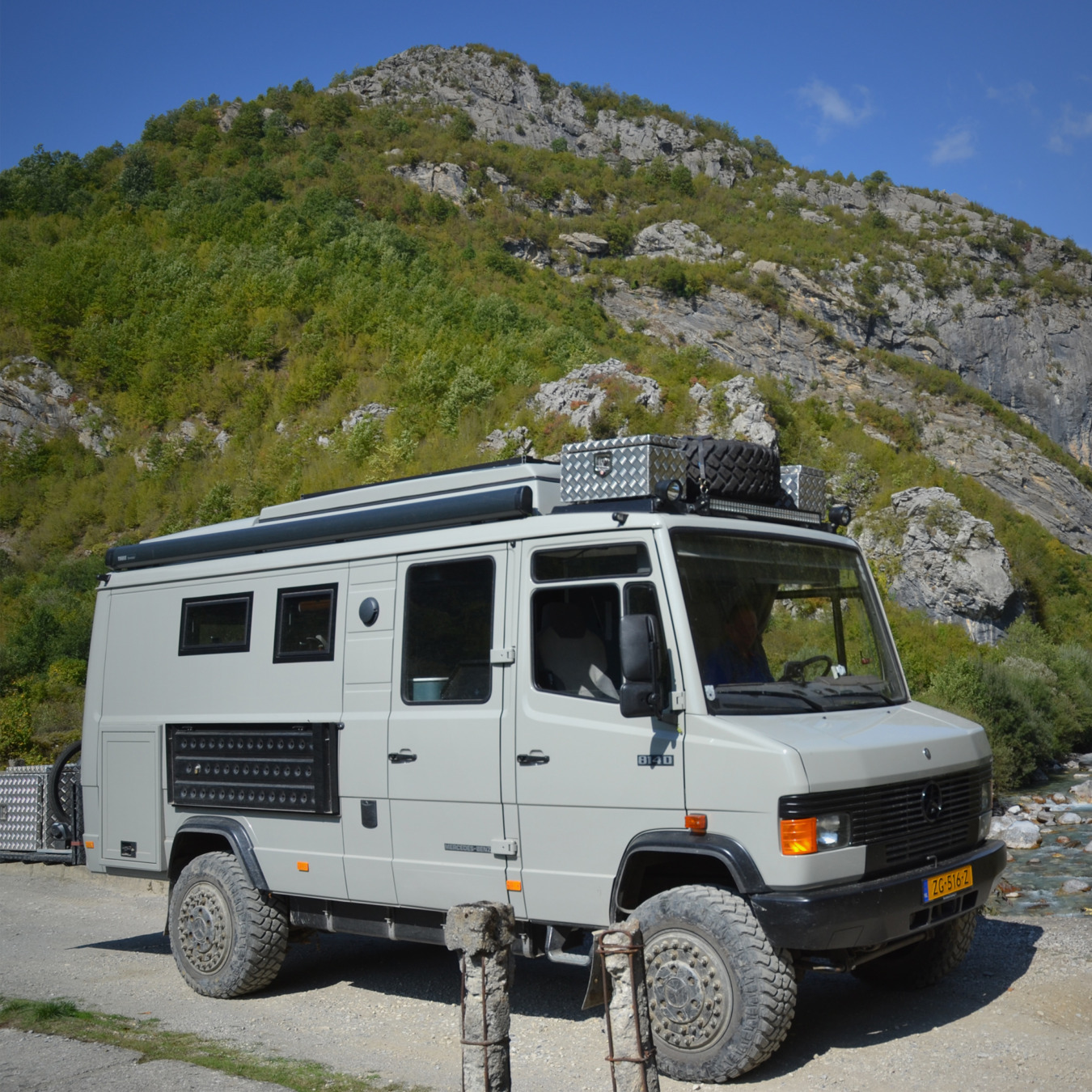
Discover this Mercedes Vario 4×4 Expedition vehicle
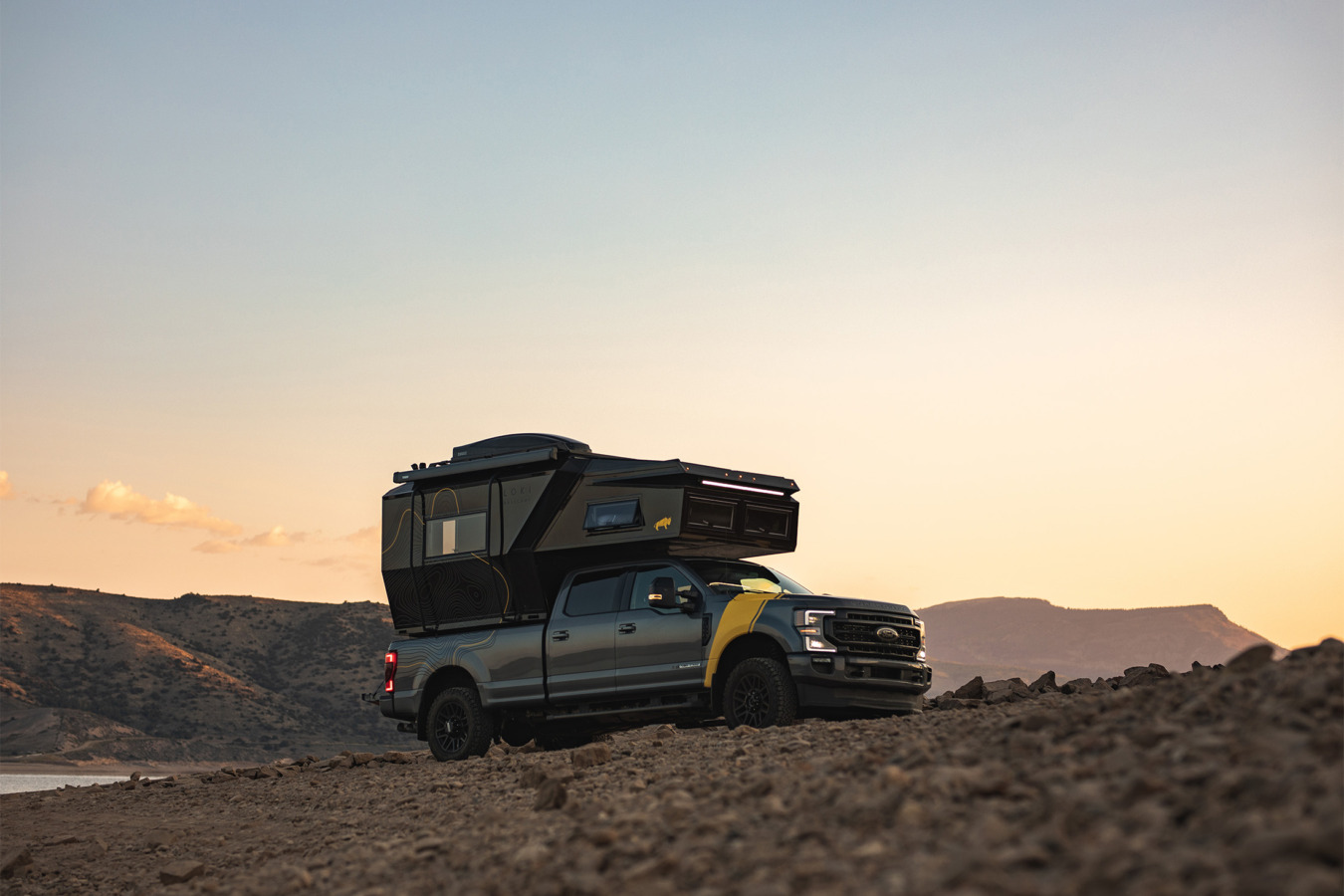
Discover this Ford F550 Expedition vehicle by Loki Falcon 8
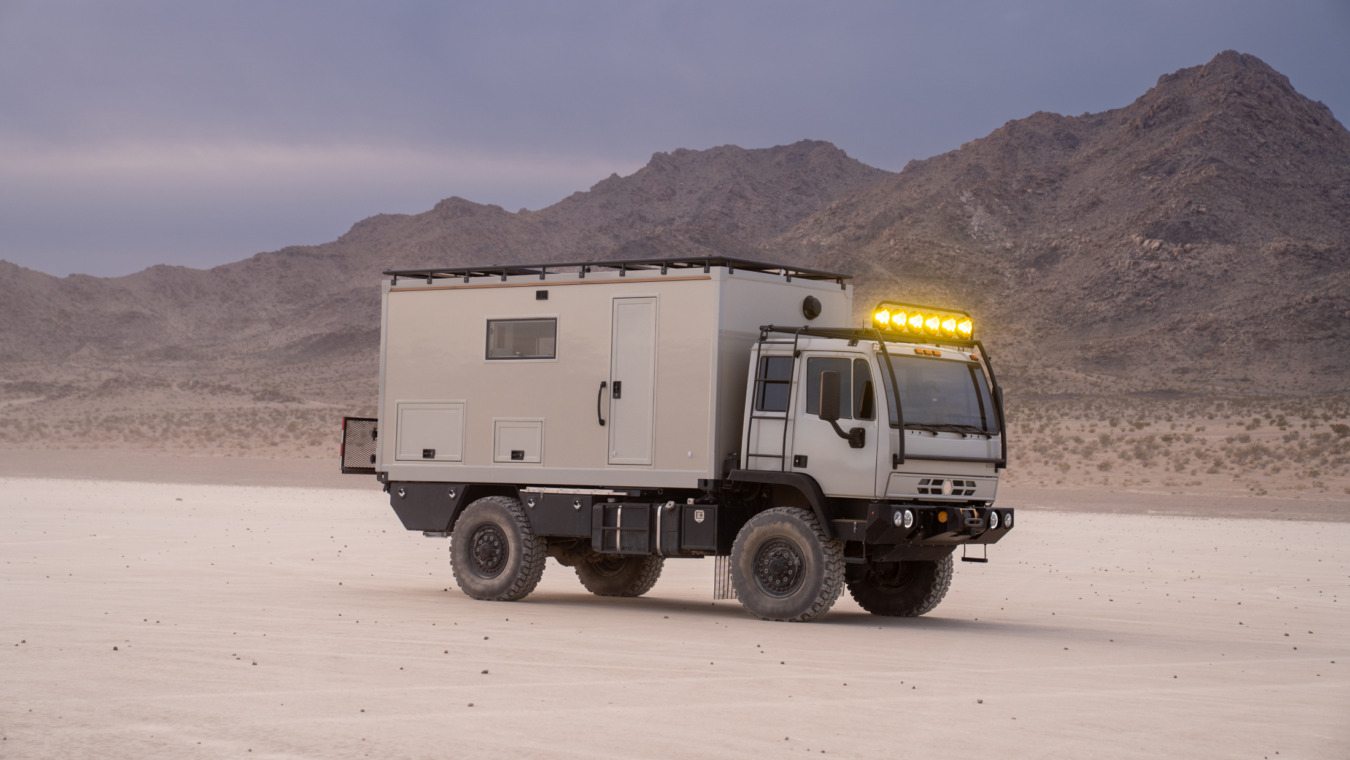
Discover this Acela Monterra 4x4 Expedition vehicle by 4xploration
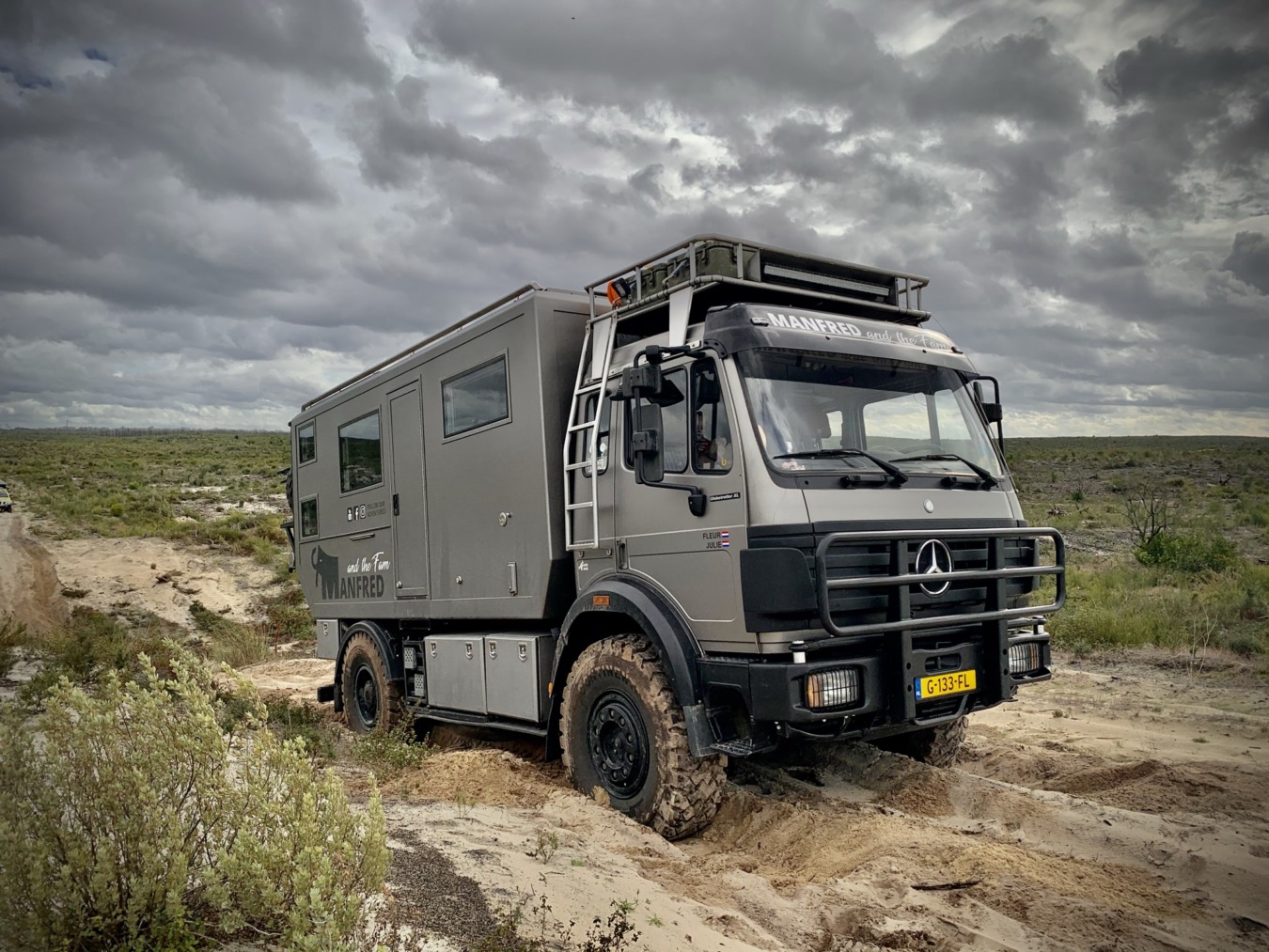
Discover This Mercedes SK1722 4×4 from Manfred and the Fam by Twiga
Frequently asked questions
Brands that focus on good insulation, double floors, and reliable heating systems are suitable for all seasons. This is especially important when traveling in cold regions.
A camper van is more compact and suitable for regular roads and campsites. An expedition camper is larger, more robust, and built for off-road use and extended self-sufficient travel.
Regardless of which camper brand you choose, the basic principles remain the same. Reliability, insulation, and durability determine how comfortable your travel experience is. This is exactly what Outbound products are designed to support.
In addition, dimensions play an important role. Not every brand uses the same sizes or standard cut-outs. Windows, hatches, and other components must fit properly with the vehicle’s structure. Even a deviation of a few millimeters can lead to stress, leaks, or heat loss.
That is why Outbound products are available in various sizes and configurations. This allows them to be adapted to both mass-produced campers and custom-built vehicles. It also makes it possible to upgrade existing campers or build new projects with a solid technical foundation.
By taking the correct dimensions into account from the start, you can avoid adjustments later on. This results in better sealing, less wear, and a more reliable overall system during use.
European brands often focus on compact design and efficient use of space. American brands are typically larger and emphasize comfort and off-grid capabilities. These differences are important for long journeys off the beaten path.
That depends on your plans. If you mainly travel in Europe, a compact camper is sufficient—one that is easy to maneuver and fits on standard campsites and roads.
If you plan to go off-grid or travel outside Europe, you will need a more robust vehicle. Think of a stronger chassis, greater range, and systems that make you less dependent on external facilities.
Also consider how long you will be traveling and how many people are joining you. For longer expeditions or remote areas, reliability is more important than luxury.
Choose a brand that matches how and where you travel. This helps you avoid compromises along the way.
Pay attention to build quality, insulation, materials used, and service. For example, look at how the walls are constructed and whether thermal bridges are present. Good insulation makes a big difference, especially when traveling in varying climates.