How thermal bridge-free window frames prevent moisture problems in cold climates
A comfortable expedition vehicle is not only about good heating or thick insulation. The details in the construction are what truly determine how pleasant a vehicle remains during travel through cold regions.
Condensation is a common problem in these conditions. Wet window edges, damp walls, and cold drafts not only reduce comfort, but can also cause long-term damage to the interior of a camper or habitation unit.
In many vehicles, condensation forms around windows and doors. The cause is often thermal bridges within the window frame.
By choosing thermal bridge-free window constructions, the interior temperature remains more stable and moisture has less opportunity to condense. Especially during journeys through Scandinavia, Iceland, the Alps, or other cold regions, this makes a noticeable difference.
Discover our products
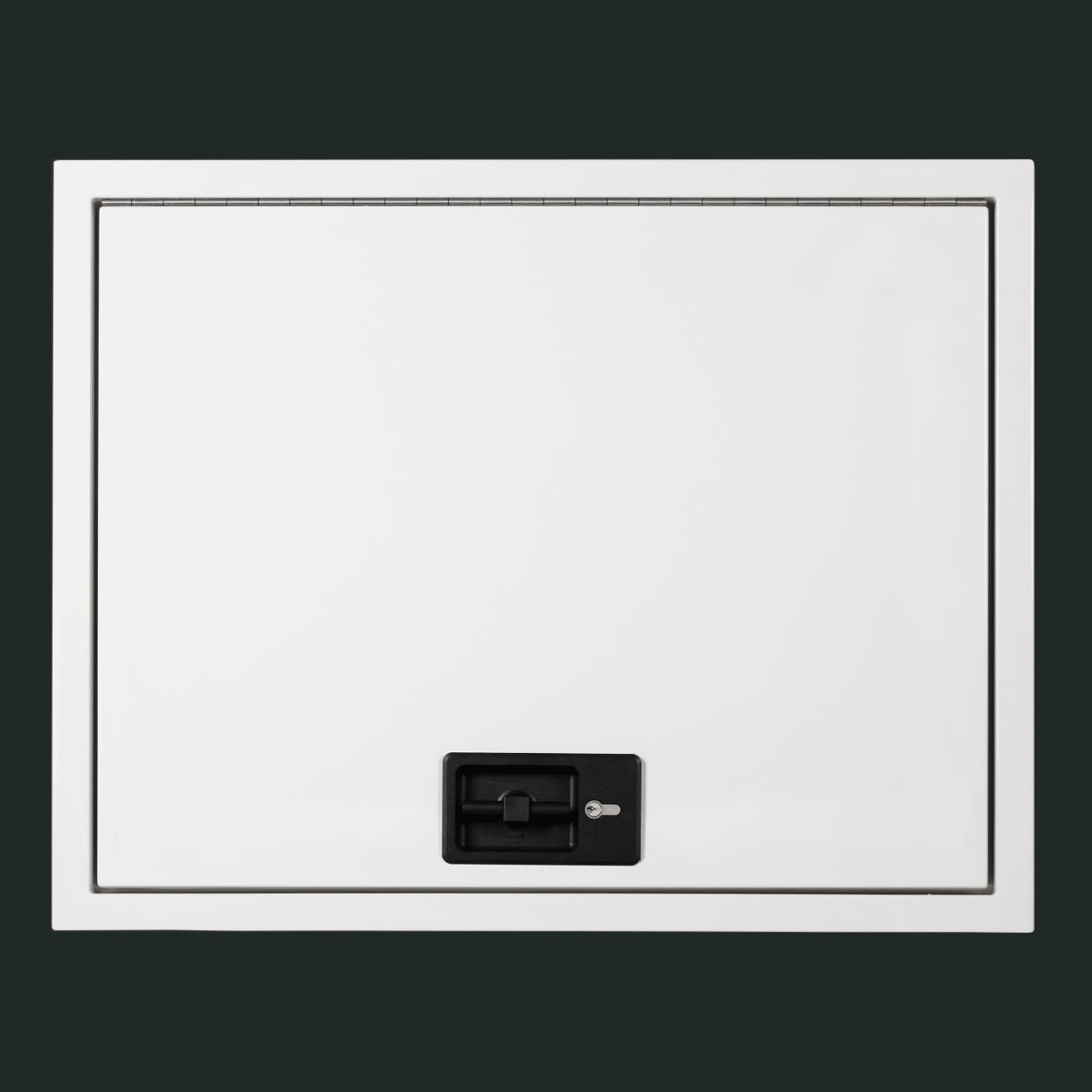

What is a thermal bridge?
A thermal bridge is a point in a construction where heat is transferred more easily from the inside to the outside. This creates a colder surface on the interior side of the vehicle or building. In expedition vehicles and campers, thermal bridges often occur around:
- Aluminium window frames
- Metal connections between the interior and exterior
- Doors and hinges
- Poorly insulated wall sections
- Mounting points in the body construction
Metal conducts heat very quickly. When a metal component directly connects the outside and inside of a vehicle, the outside temperature is effectively transferred inward.
This creates temperature differences inside the living space.
How do you recognize a thermal bridge?
A thermal bridge is usually noticeable through condensation or cold spots around windows, doors, or metal components. Common signs include:
- Water droplets on window frames
- Damp corners around windows
- Cold drafts near the window
- Condensation on the inside of windows
- Mold growth over time
- Cold surfaces despite heating
Thermal bridges become especially noticeable during cold nights or winter travel.
How do you prevent thermal bridges?
A well-built expedition vehicle avoids direct metal connections between the interior and exterior. This can be achieved through:
- Thermally broken window frames
- Insulated window constructions
- The use of composite materials
- High-quality seals
- Proper insulation of walls and roof
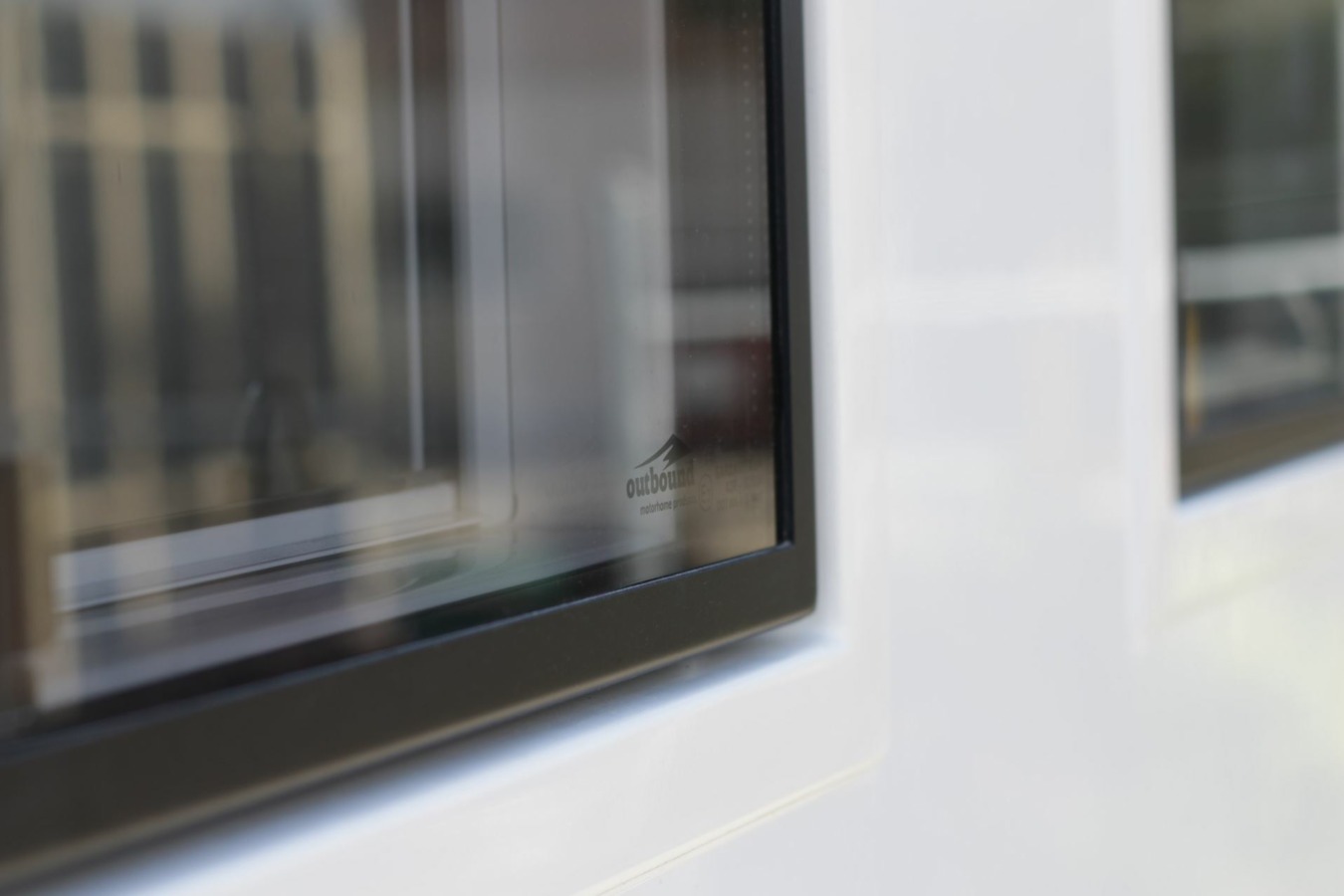
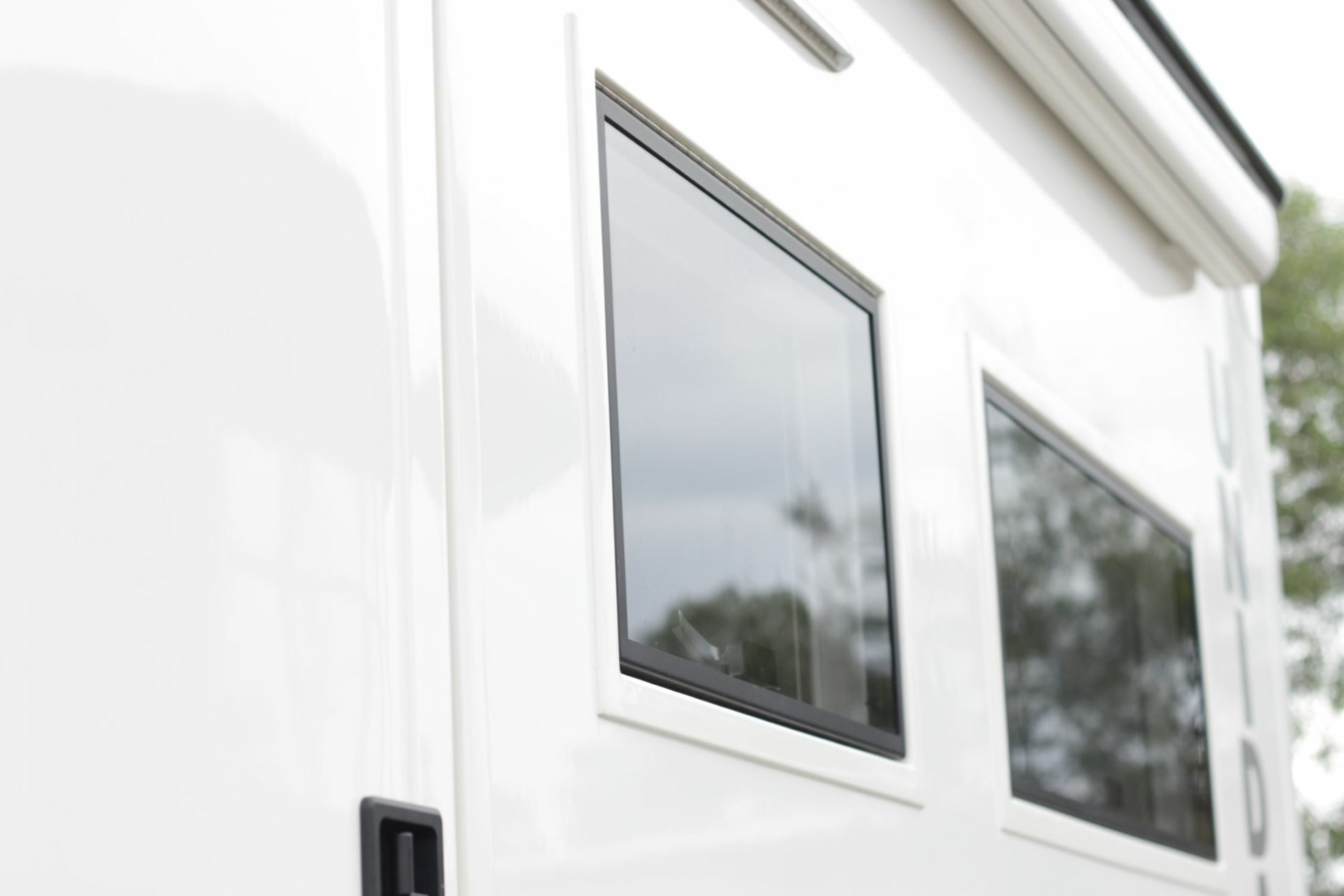
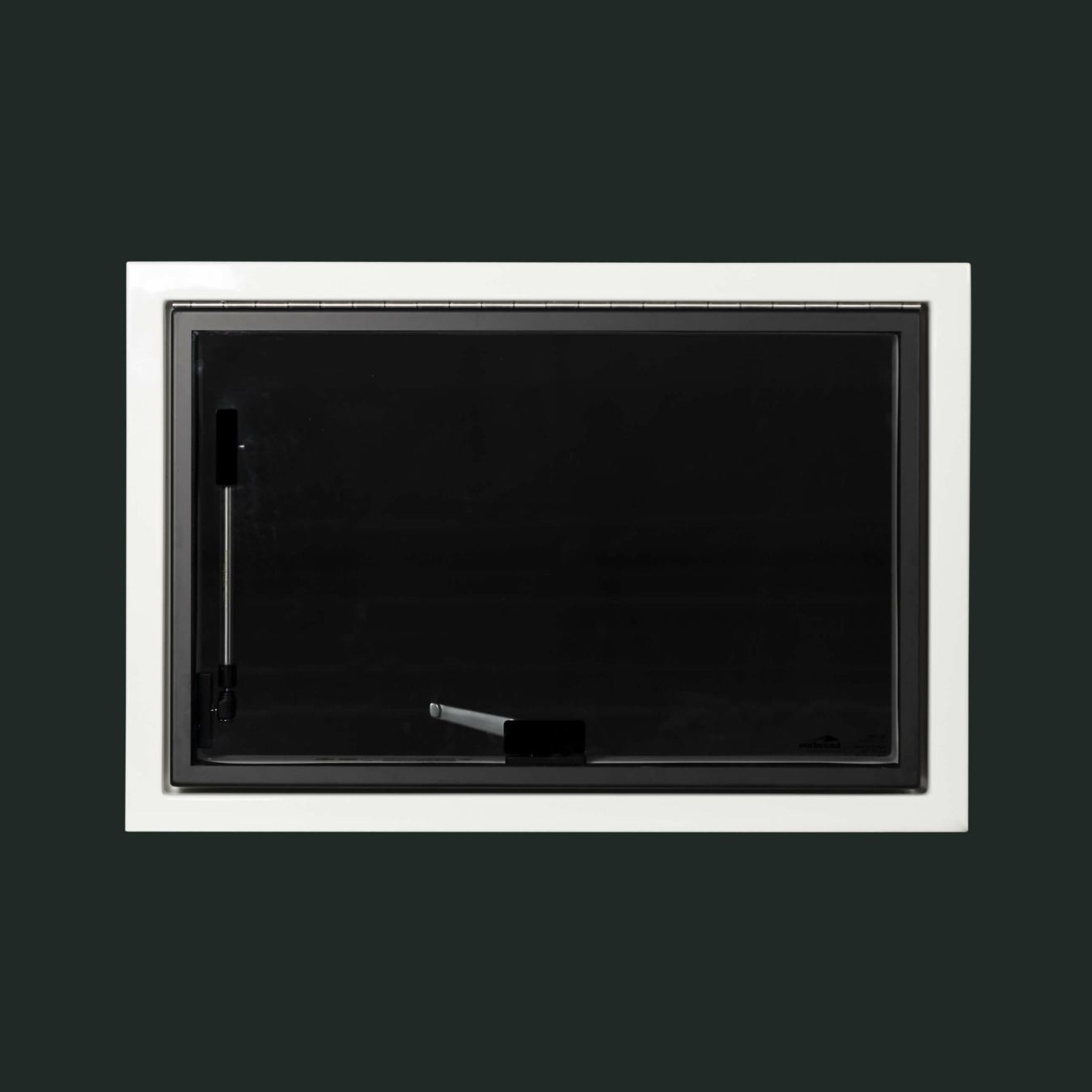
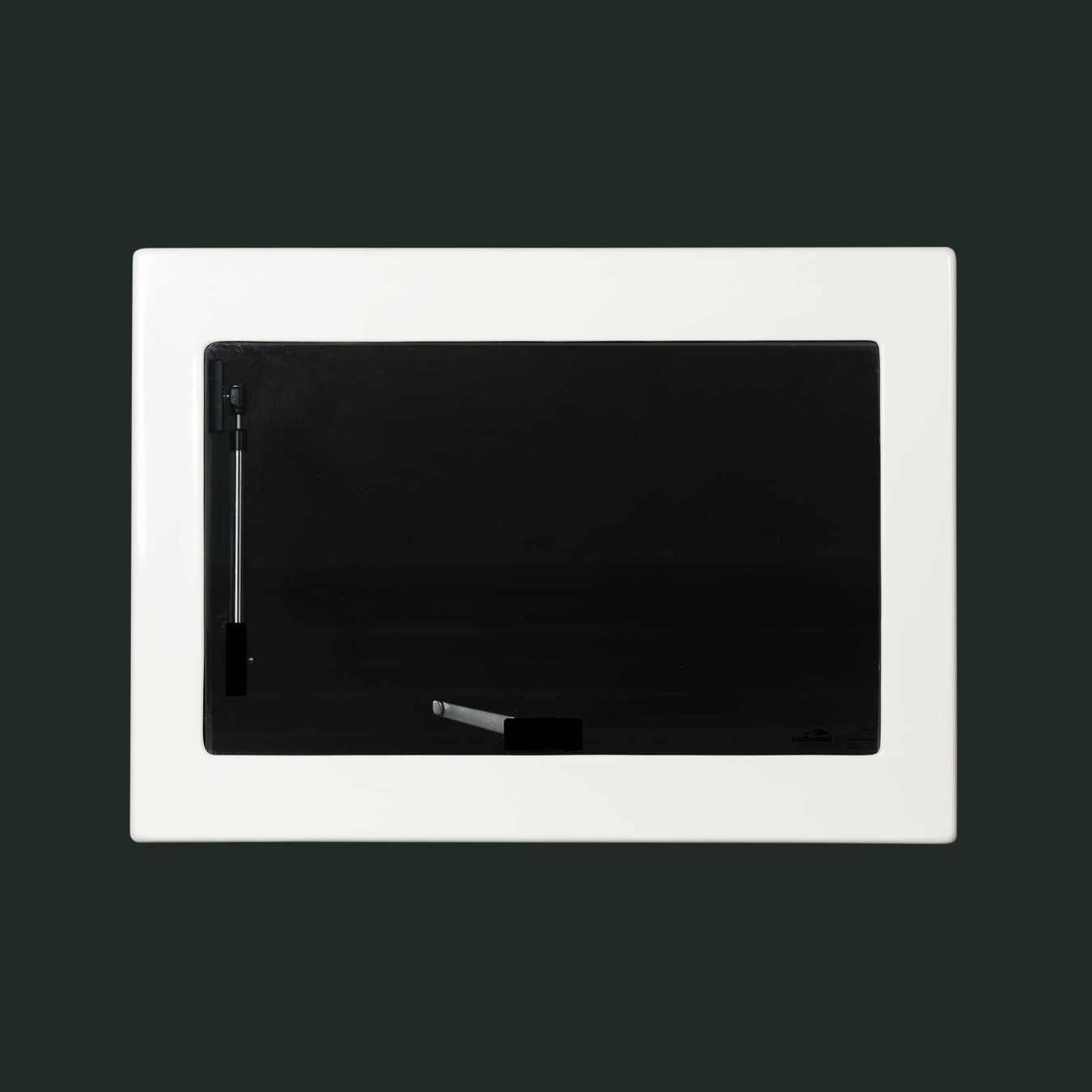
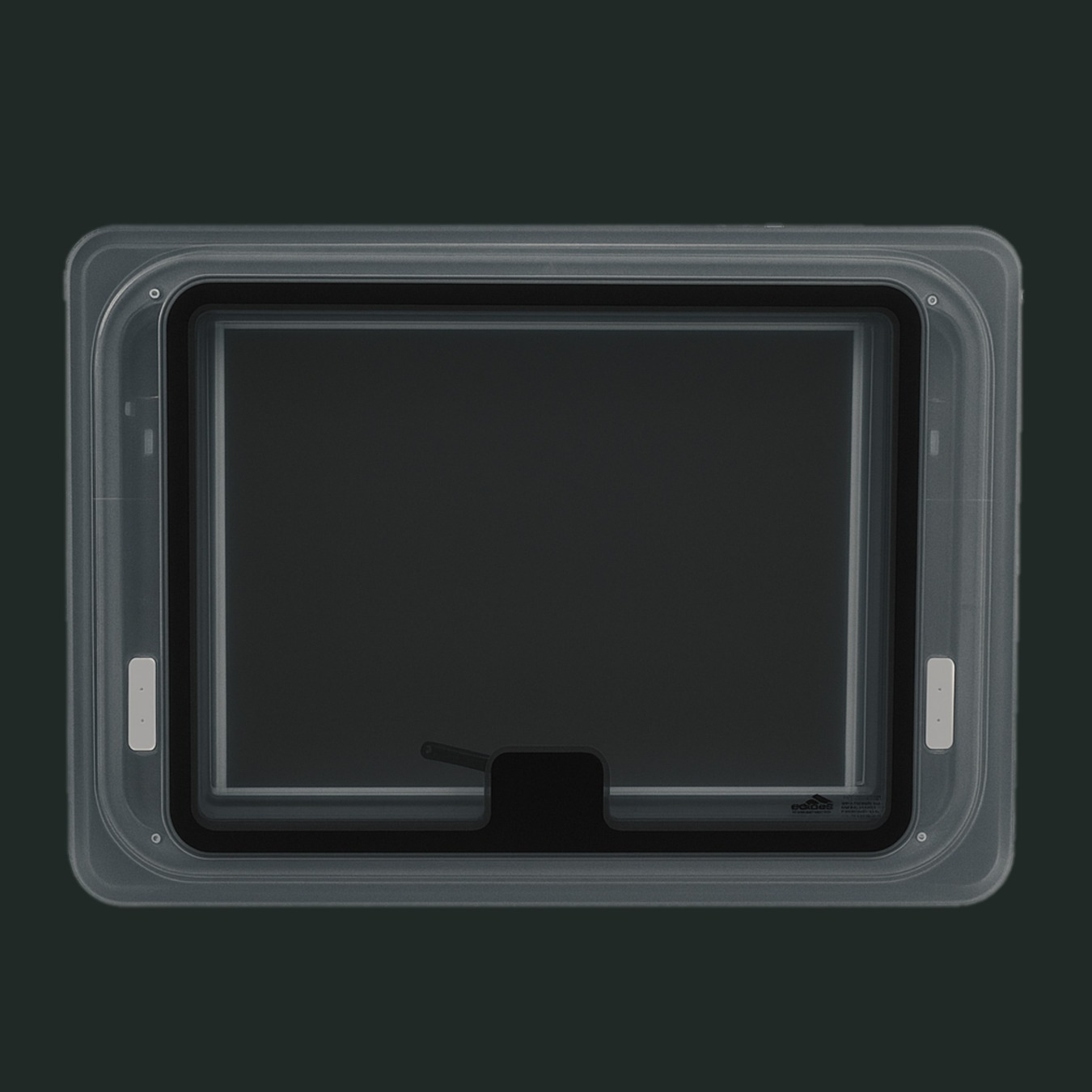
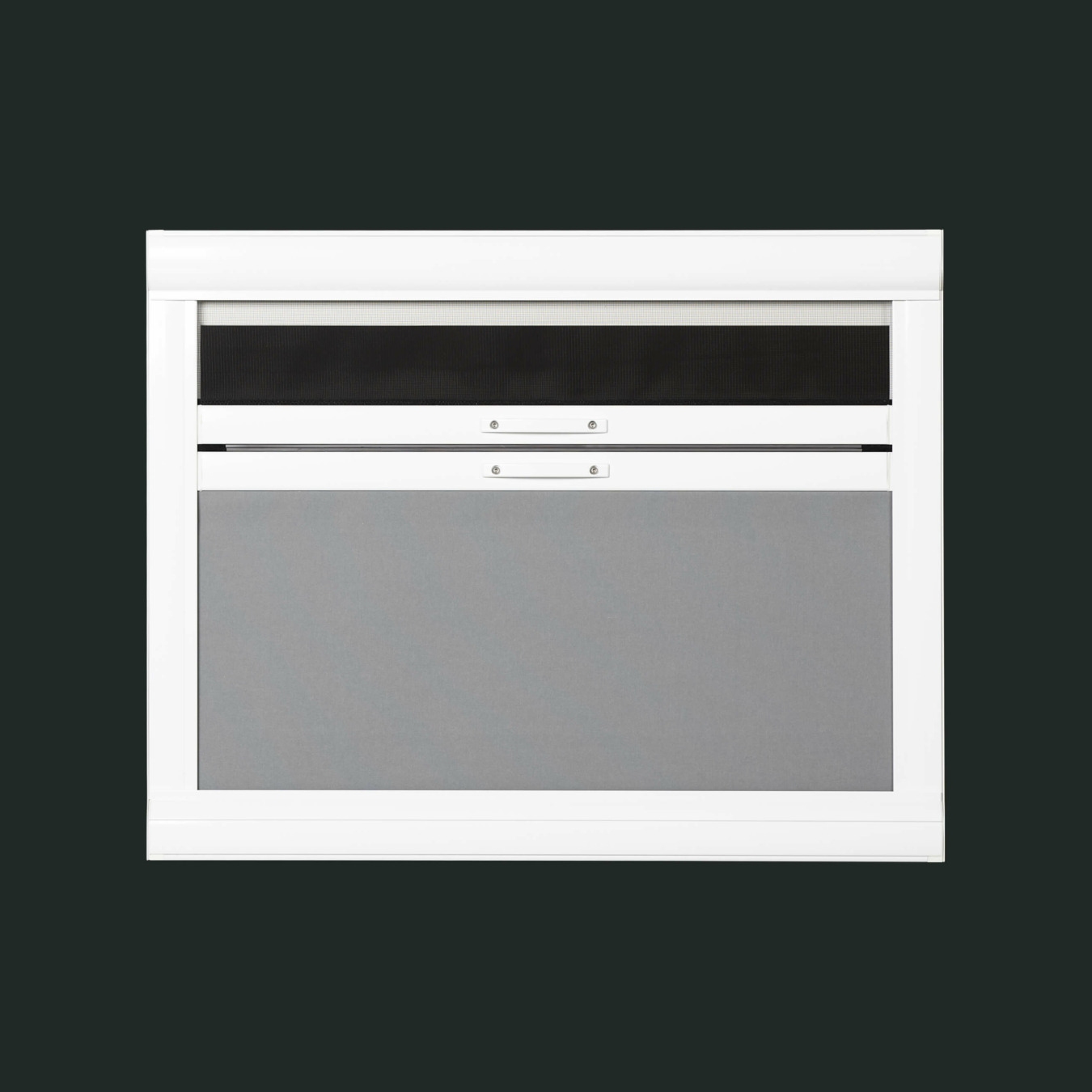
Outbound expedition windows, for example, do not have a direct metal connection between the inside and outside of the frame. This prevents thermal bridges in the window frame and helps maintain a more stable interior temperature. As a result, condensation is significantly reduced, especially in cold climates or during winter travel.
Get inspired
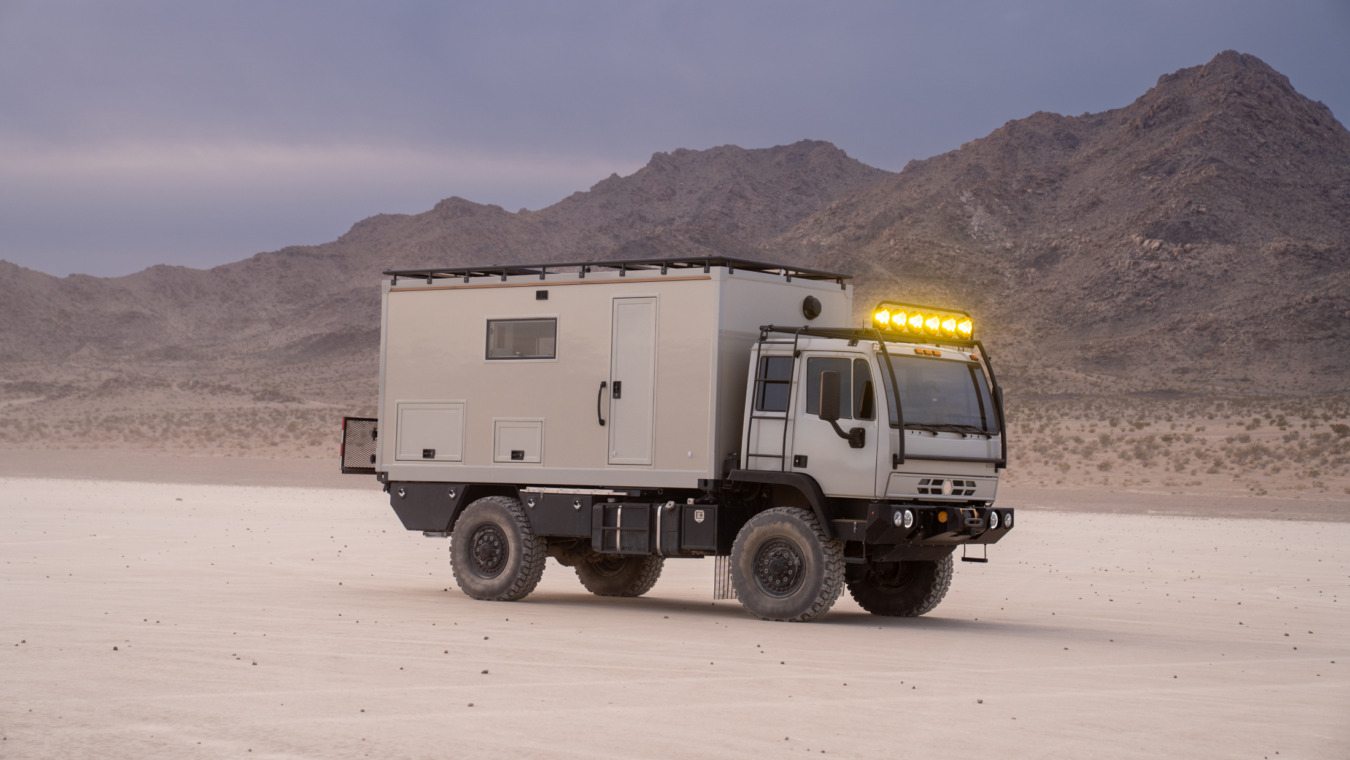
Discover this Acela Monterra 4x4 Expedition vehicle by 4xploration
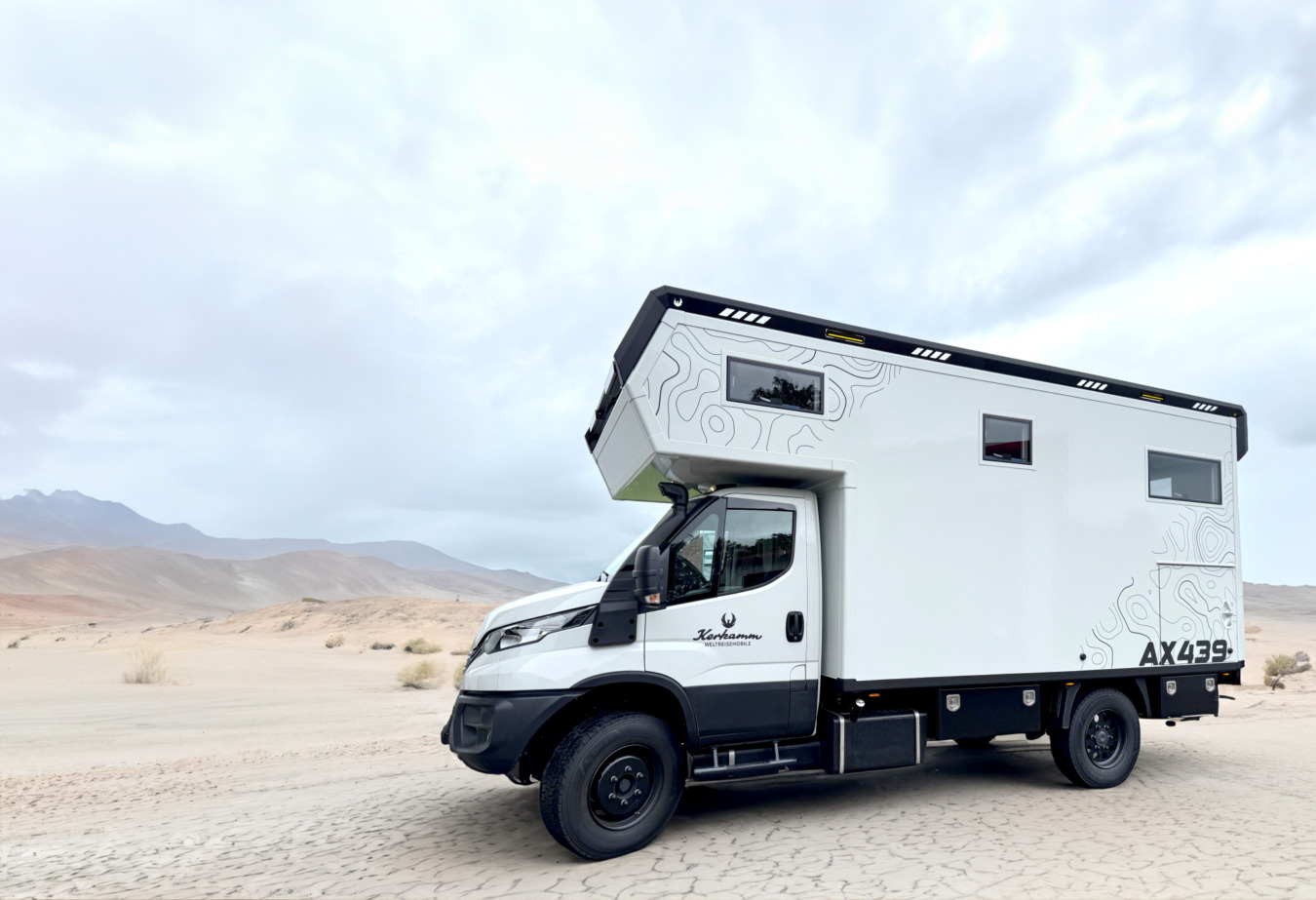
Discover this Iveco Daily 4x4 Expedition vehicle by Kerkamm
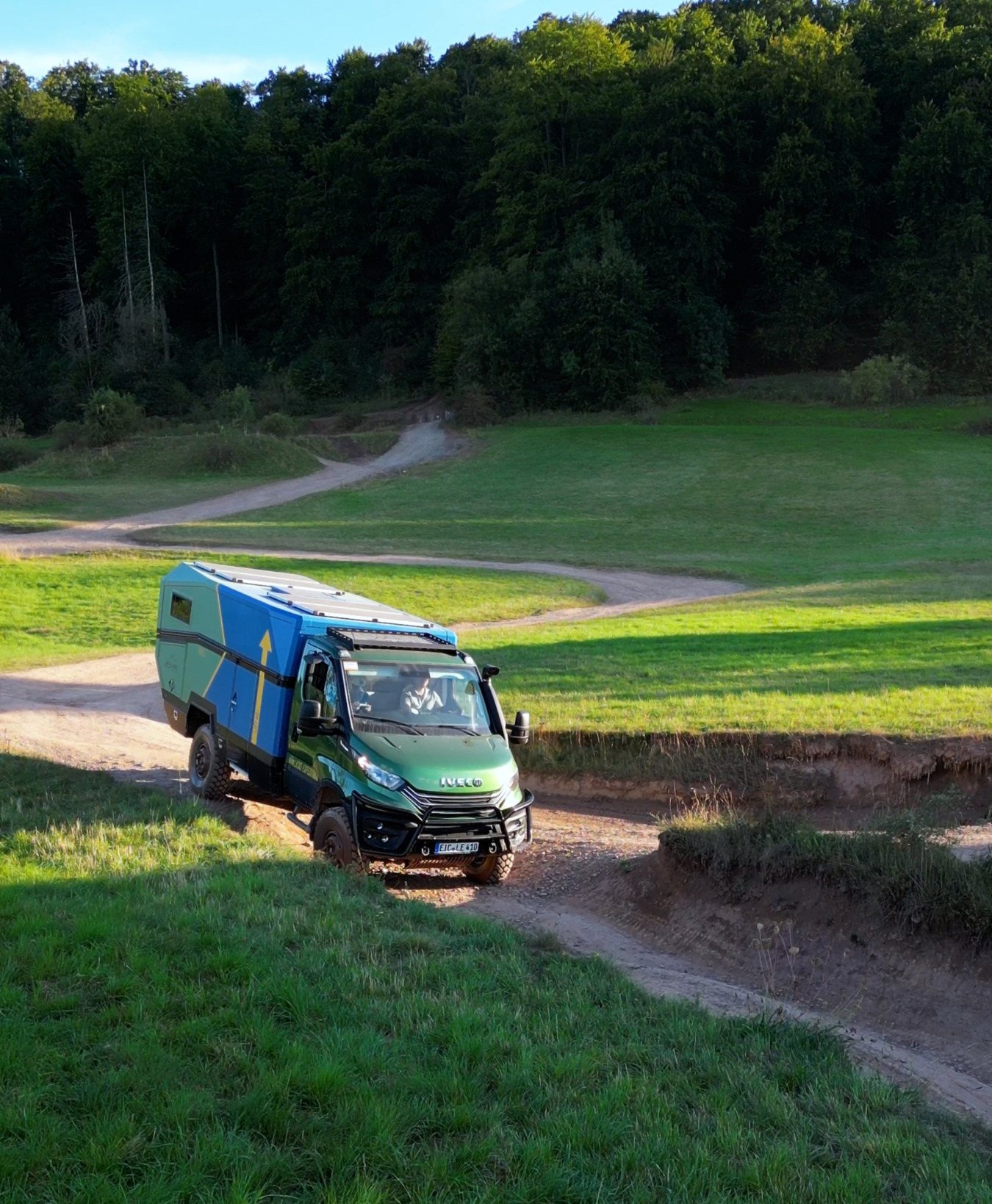
Discover this Iveco Daily 4x4 Expedition vehicle by Laske Expedition
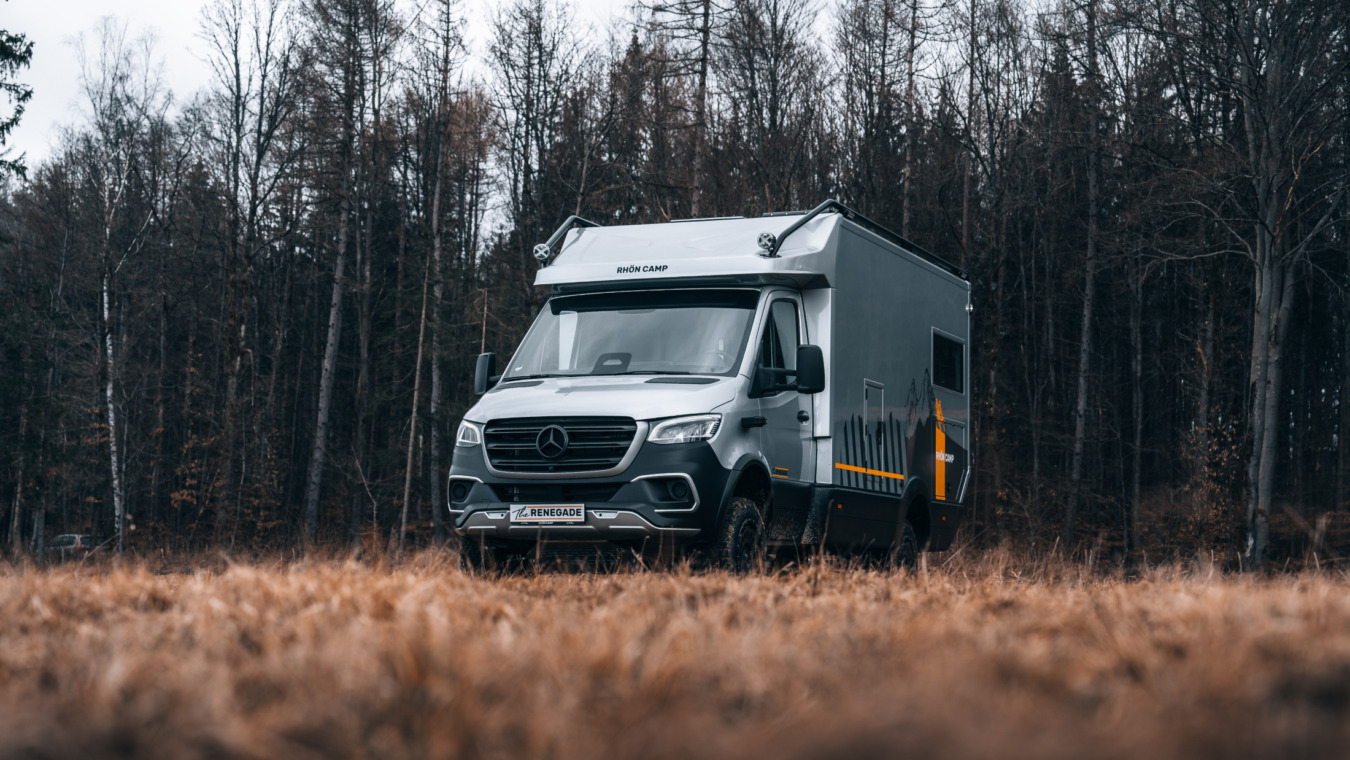
Discover this Mercedes Sprinter 4x4 Expedition vehicle by Röhn Camp
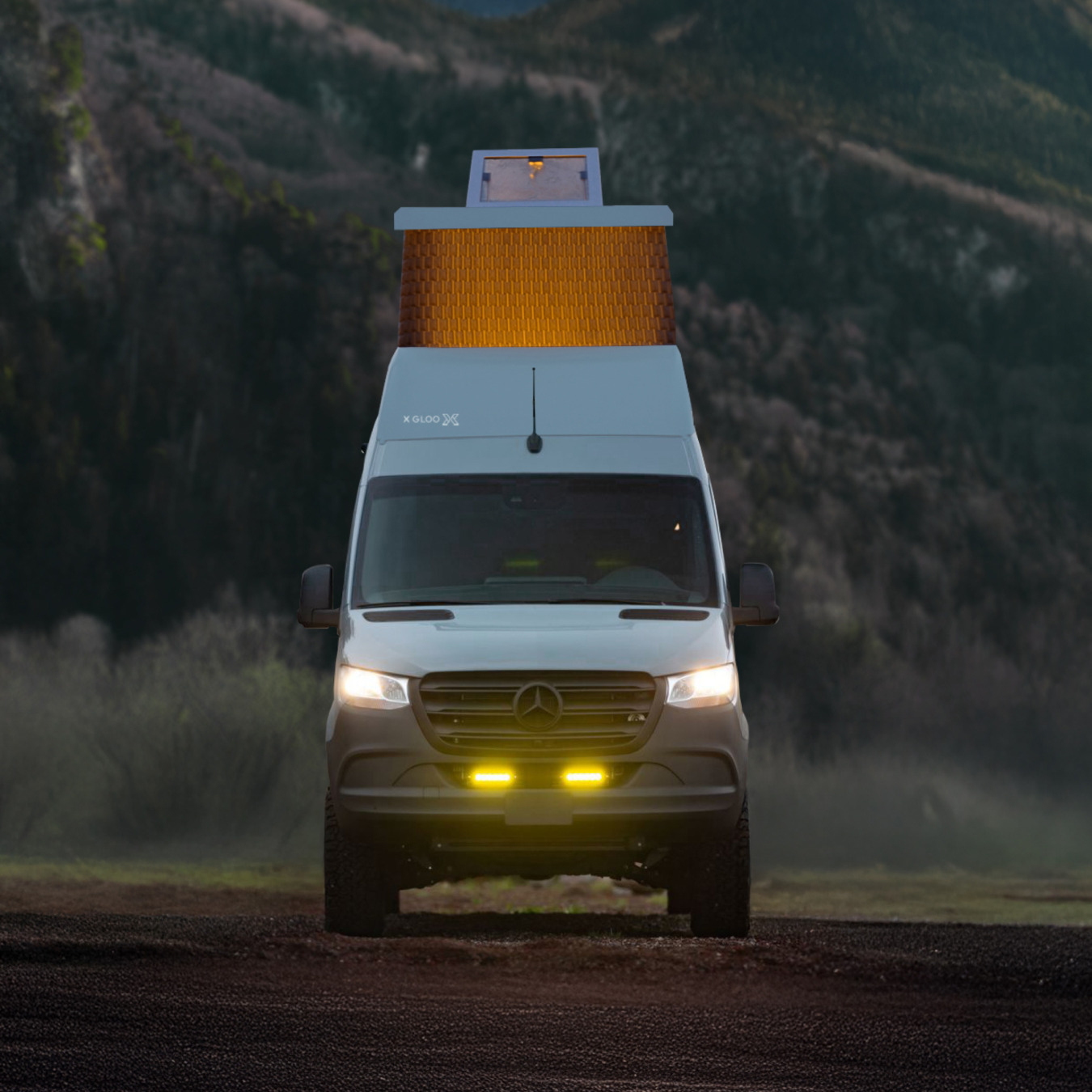
Discover this Mercedes Sprinter Pop-Top Roof by XGLOO
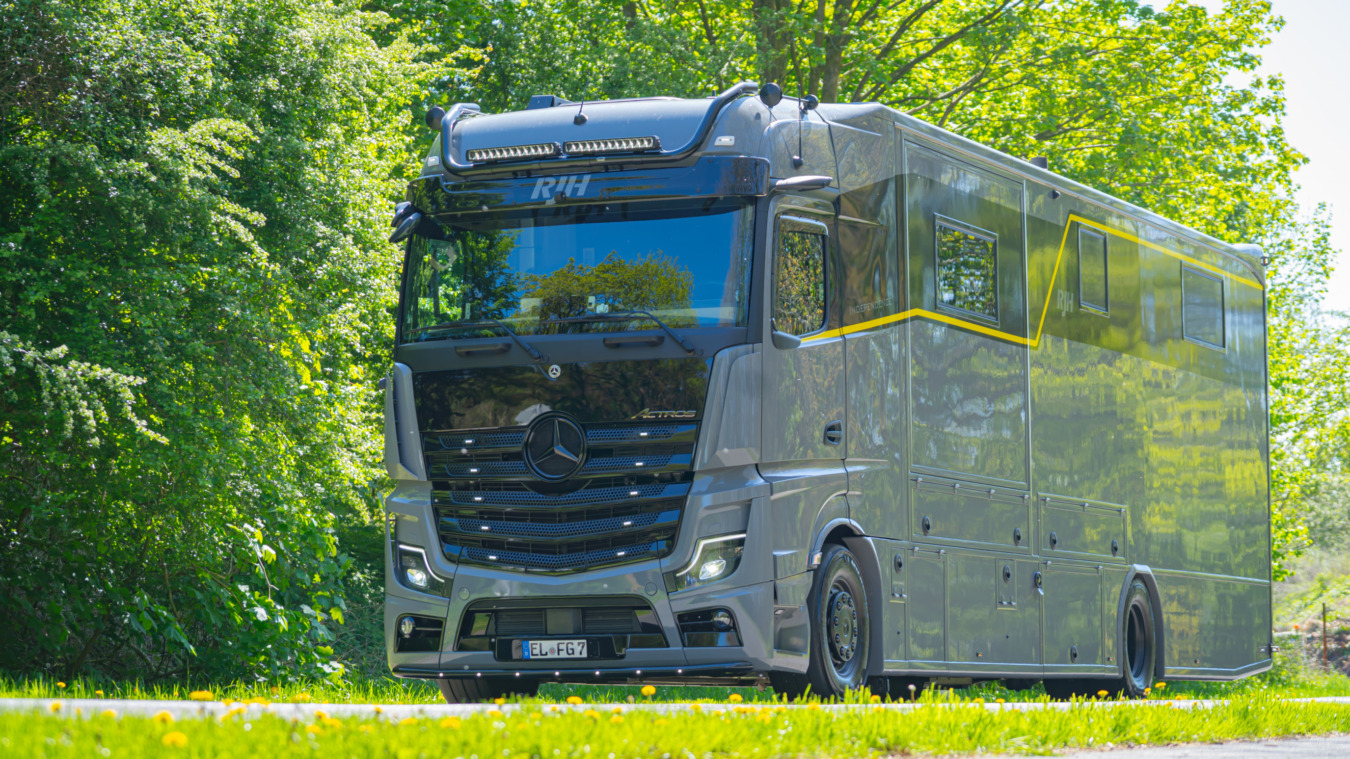
Discover this Mercedes Actros Motorhome by RJH Reisemobile
Frequently asked questions about thermal bridges
During long journeys, thermal bridges can lead to:
- A more humid interior
- Reduced comfort
- Increased heat loss
- Mold growth
- Damage to interior materials
- Higher energy consumption for heating
In compact living spaces such as campers and overland vehicles, moisture also builds up more quickly than in a traditional home.
Warm air contains moisture. When that warm air comes into contact with a cold surface, the moisture cools down and condensation forms. At a thermal bridge, the surface of the window frame or construction remains much colder than the rest of the interior. As a result, moisture forms specifically in those areas. The greater the temperature difference, the faster condensation develops.
Want to know more?
- Windows for expedition vehicles: Double glazing vs. plastic
- The strength of fiberglass reinforced polyester
- Components for expedition vehicles
- Bonding windows, roof hatches, doors and service hatches for expedition vehicles
- Wall construction of expedition vehicles
- Temperature differences in expedition vehicles