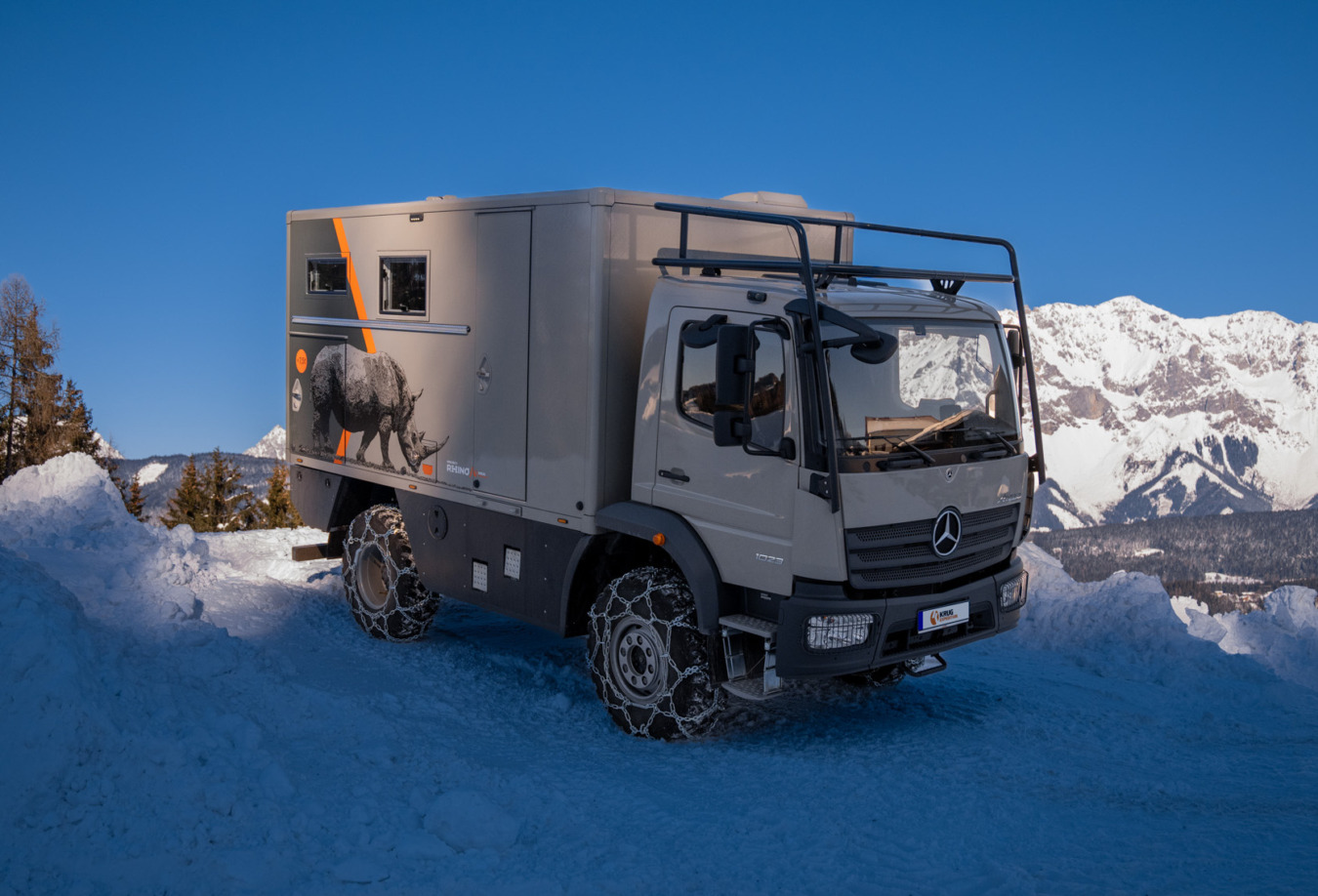
Why it is important to consider temperature differences in expedition vehicles
Temperature affects almost every part of an expedition vehicle. Materials expand in heat and contract in cold conditions. When different materials are connected, stresses can develop within the construction.
This not only applies to the body structure, but also to windows, roof hatches, service hatches, seals and bonded connections. In practice, expedition vehicles are often exposed to:
- Desert heat above 40°C
- Night-time temperatures dropping below freezing
- Prolonged cold below -20°C
- Large temperature differences while travelling between climates
These conditions require carefully considered material selection and construction methods.
The impact of temperature on materials
Every material reacts differently to temperature changes. This makes material combinations an important consideration in expedition vehicles.
- Aluminium in expedition vehicles
Aluminium is widely used because of its low weight and high strength. However, the material expands relatively strongly when exposed to heat. Without enough room for movement, stresses can develop in panels and connections. That is why aluminium constructions must always account for expansion and movement. - Steel and temperature differences
Steel is stiffer and expands less than aluminium, but it is heavier. When combined with other materials, stresses can occur because materials react differently to temperature changes. - Composite panels and insulation
Composite panels are commonly used in expedition vehicles because of their insulating properties and relatively low weight. They help reduce thermal bridging and contribute to a more stable interior temperature. However, the different layers within composite panels can react differently to heat and cold, which makes proper construction essential. - Plastics, rubbers and seals
Rubbers and plastics are highly affected by temperature. At low temperatures they become harder and stiffer, while heat makes them softer and more susceptible to wear. This directly affects the vehicle’s water and airtightness, the lifespan of seals and the reliability of moving components.
Expansion and stress in expedition vehicles
When materials with different expansion coefficients are connected, stresses can develop within the construction. This often happens gradually and is not immediately visible. Over time, it can lead to hairline cracks, loosening connections or leaks.
That is why it is important to keep connections flexible in expedition vehicles. This can be achieved by using suitable adhesives, elastic seals and sufficient space for material movement. A rigid construction may appear strong, but under extreme temperature changes it can actually cause problems.
Waterproofing and sealing under extreme temperatures
Seals are exposed to a lot of stress during long journeys. Temperature changes, UV radiation, moisture and vibrations all affect the performance of sealants and rubber components.
At low temperatures, seals can shrink and become harder, reducing their sealing performance. At high temperatures, materials become softer and may age or deform more quickly. A good sealing system must be able to absorb these movements without cracking or coming loose.
Insulation and comfort in different climates
Good insulation is important not only for comfort, but also for reliability and energy efficiency.
In hot climates, insulation helps keep heat outside. In cold conditions, it helps retain warmth inside the vehicle for longer periods. Insulation also helps reduce condensation. A well-insulated expedition vehicle provides:
- More comfort during long journeys
- Less condensation
- Lower load on heating and cooling systems
- Smaller temperature differences inside the vehicle
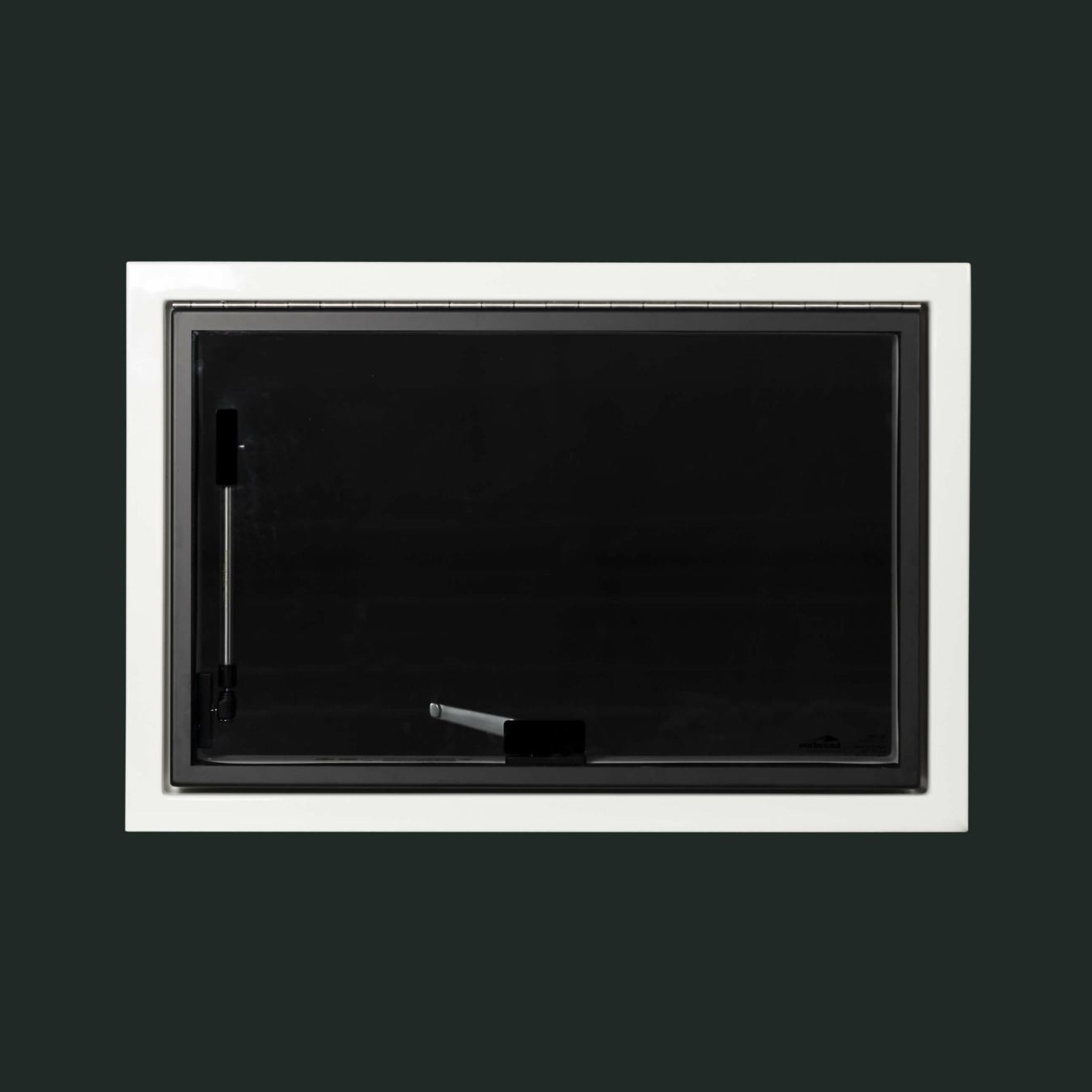
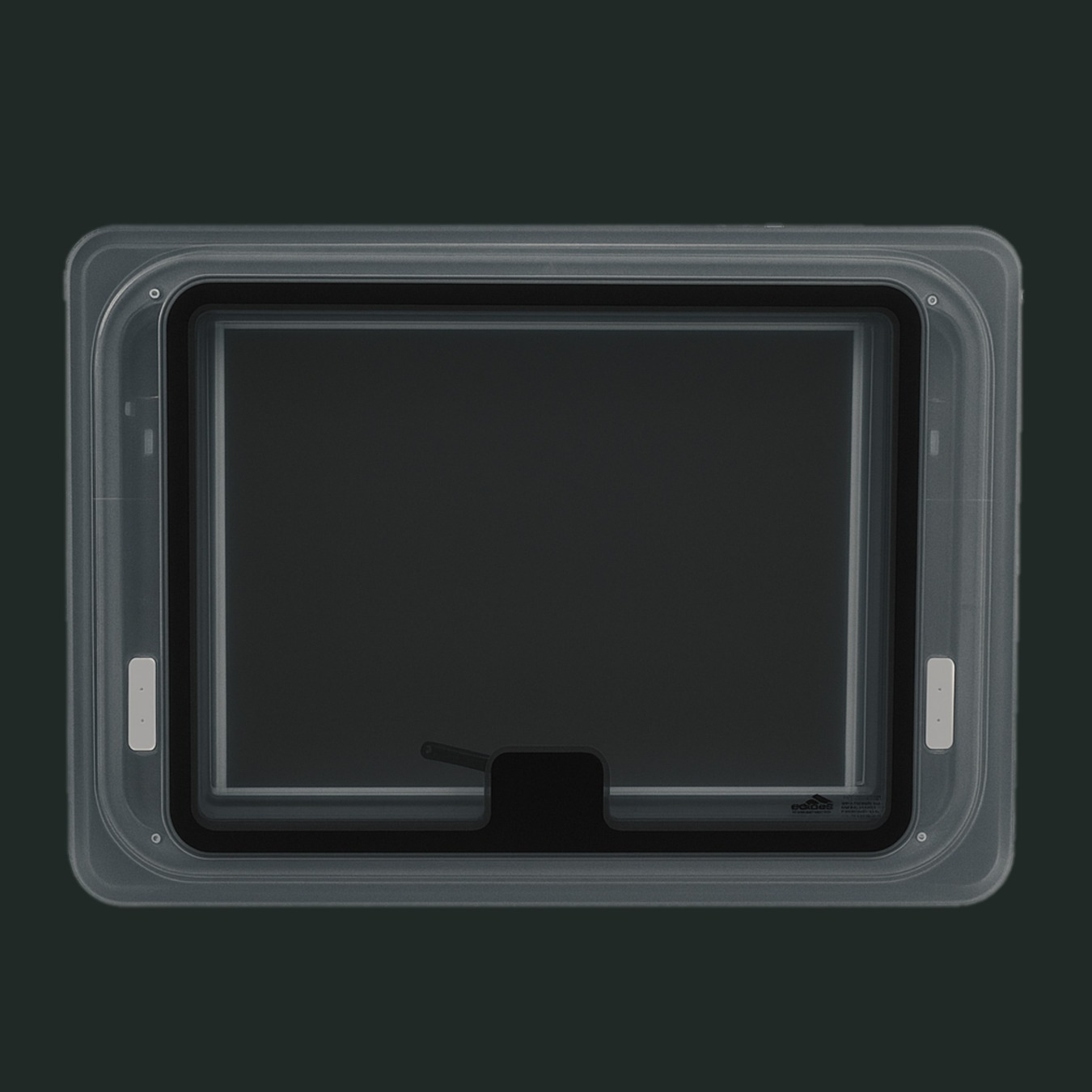
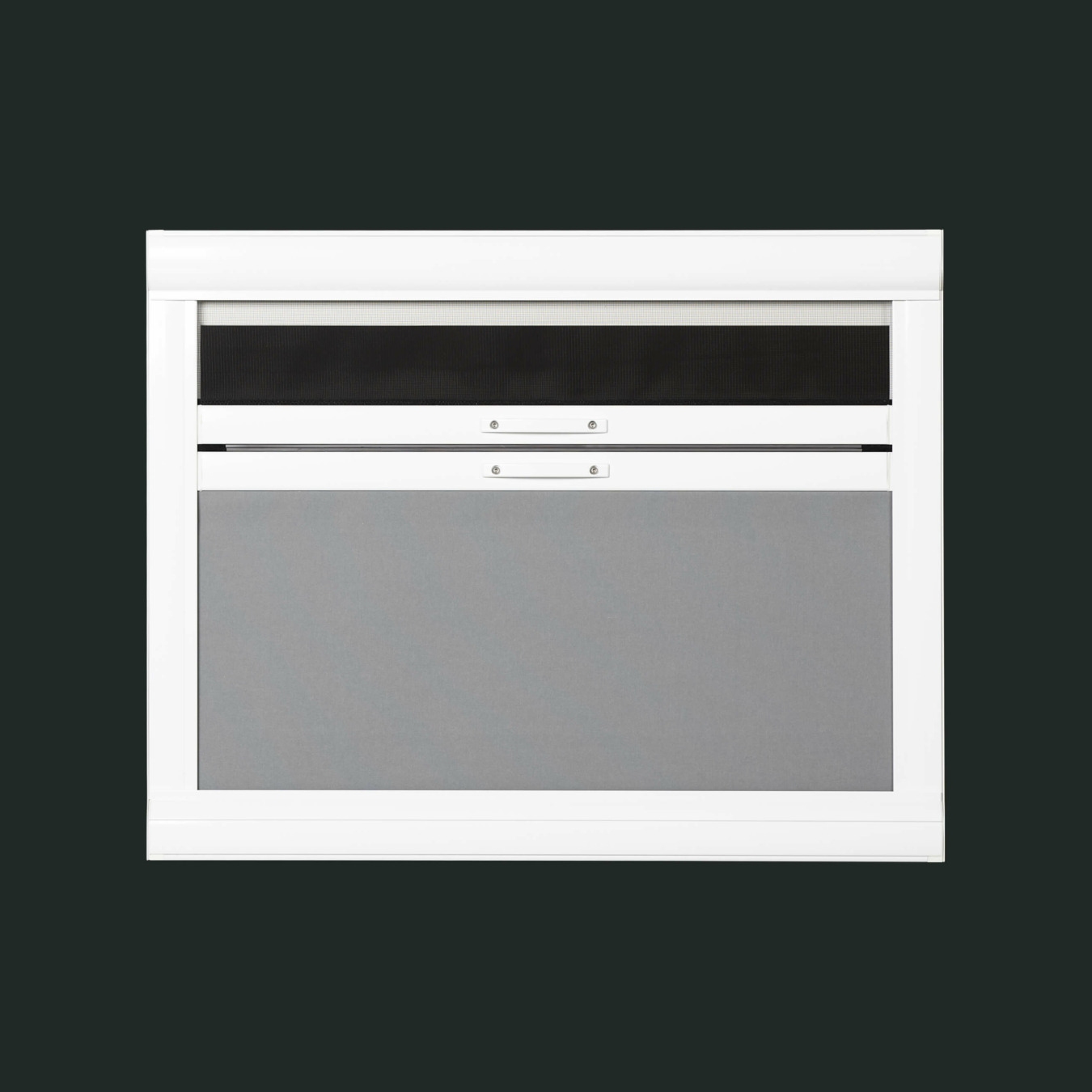
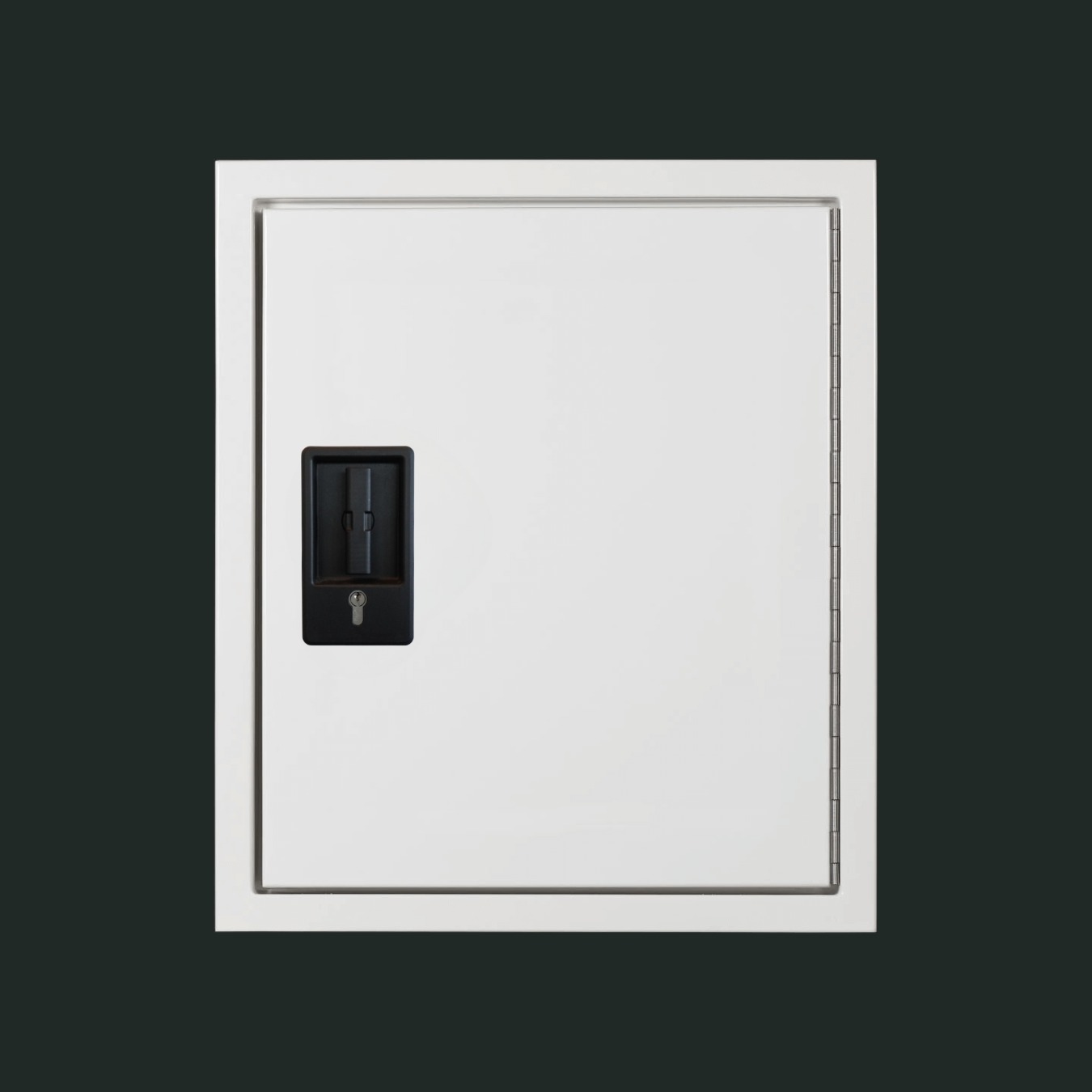
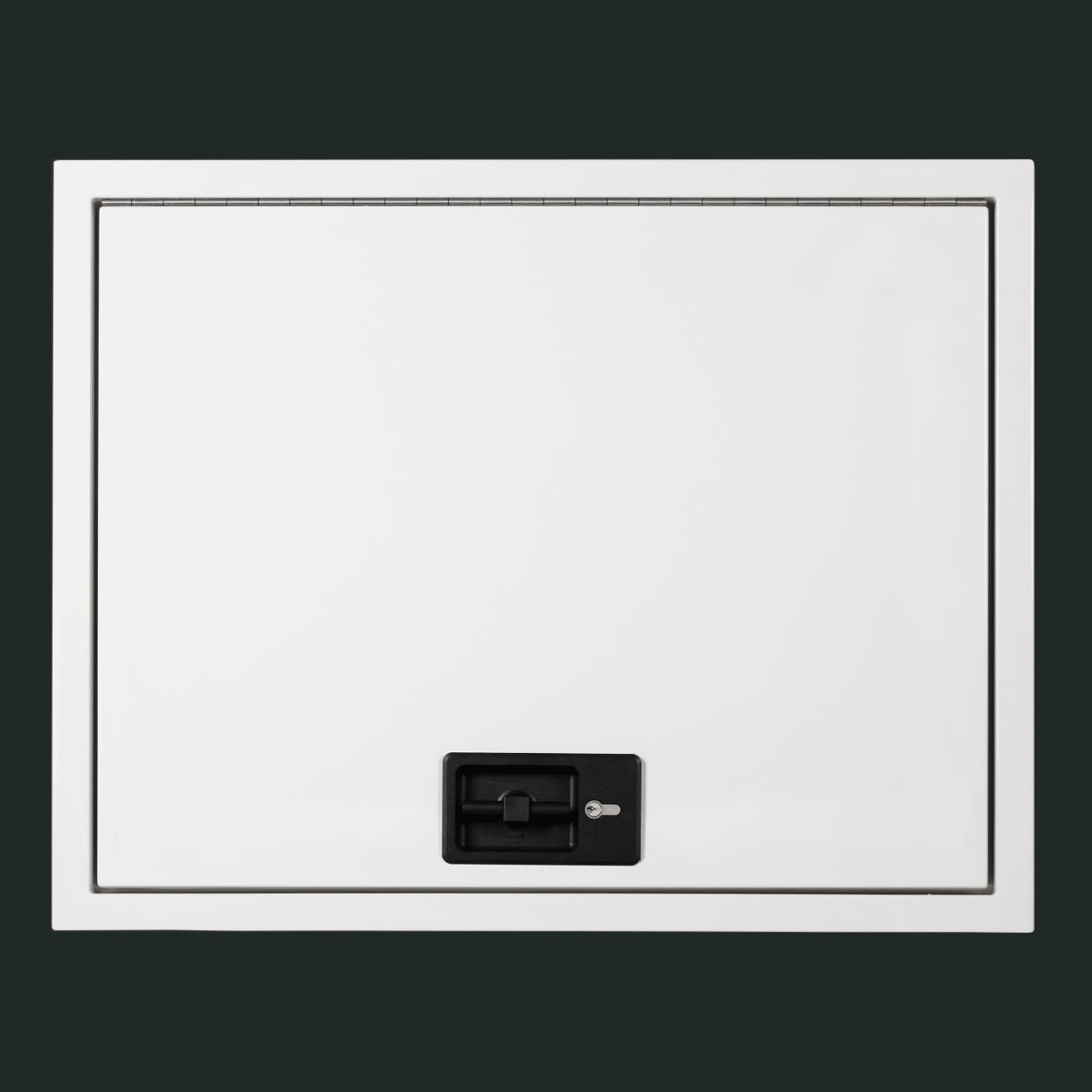
Windows, roof hatches and service hatches play an important role in this. These are areas where heat loss or heat gain occurs more quickly and where thermal bridges can more easily develop between the interior and exterior. Proper construction and insulation help minimise these effects.
More about our windows
Whether you are building a compact overland camper or a full-size expedition truck, Outbound offers solutions focused on comfort, safety and durability under extreme conditions.
Discover our products



Temperature during installation and bonding
Temperature plays an important role not only during use, but also during installation.
Adhesives and sealants have specific application temperature ranges. When temperatures are too low or too high, bonding performance can decrease. This directly affects the durability of the connection. That is why it is important to consider:
- Application temperature of adhesives and sealants
- Curing time
- Surface temperature
- Humidity during installation
Proper installation helps prevent long-term problems.
Designing expedition vehicles for extreme conditions
A reliable expedition vehicle starts with considering temperature influences during the design phase. Several factors play an important role:
- Material selection
- Weight distribution
- Flexible connections
- Insulation
- Protection against UV and heat
All components must work together as one system. This is especially important for parts directly exposed to weather conditions, such as windows and roof hatches.
Durability under harsh conditions
Expedition vehicles are often used intensively for years in a wide range of climates. Materials must withstand prolonged exposure to heat, cold, UV radiation, moisture and dust.
Problems usually do not appear immediately, but develop gradually over time. In practice, this may result in:
- Hairline cracks in seals
- Loosening connections
- Reduced insulation performance
- Wear caused by UV radiation
- Stress between different materials
By considering these factors during the design and material selection process, a vehicle remains more reliable during long journeys.
Outbound products under extreme temperatures
Windows, roof hatches and service hatches always interrupt the wall construction of an expedition vehicle. As a result, they are directly exposed to temperature differences and material movement.
Outbound products are developed with these conditions in mind. The construction focuses on:
- Controlled material movement
- Strong but flexible bonding
- Reduced thermal bridging
- Durable sealing under changing temperatures
The wide flange creates a larger bonding surface, helping to distribute stress more evenly. In addition, there is no direct metal connection between the interior and exterior, which helps reduce condensation.
In hot climates, the construction helps keep heat outside. In cold conditions, it supports a more stable and comfortable interior climate.
With the proven quality of Outbound, these components contribute to a reliable expedition vehicle in a wide range of conditions. Part of your adventure.
Get inspired

Discover this Chevrolet Silverado 6500HD Expedition vehicle by EarthRoamer
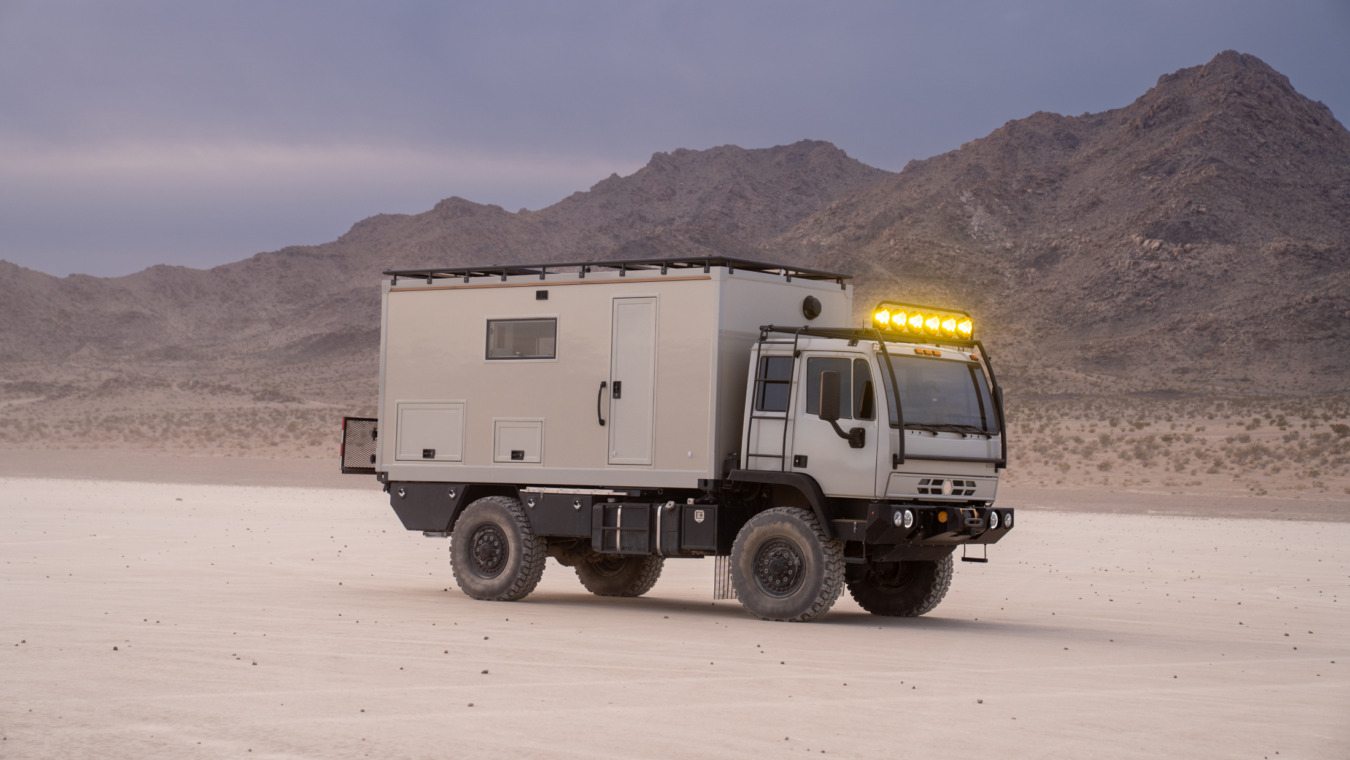
Discover this Acela Monterra 4x4 Expedition vehicle by 4xploration
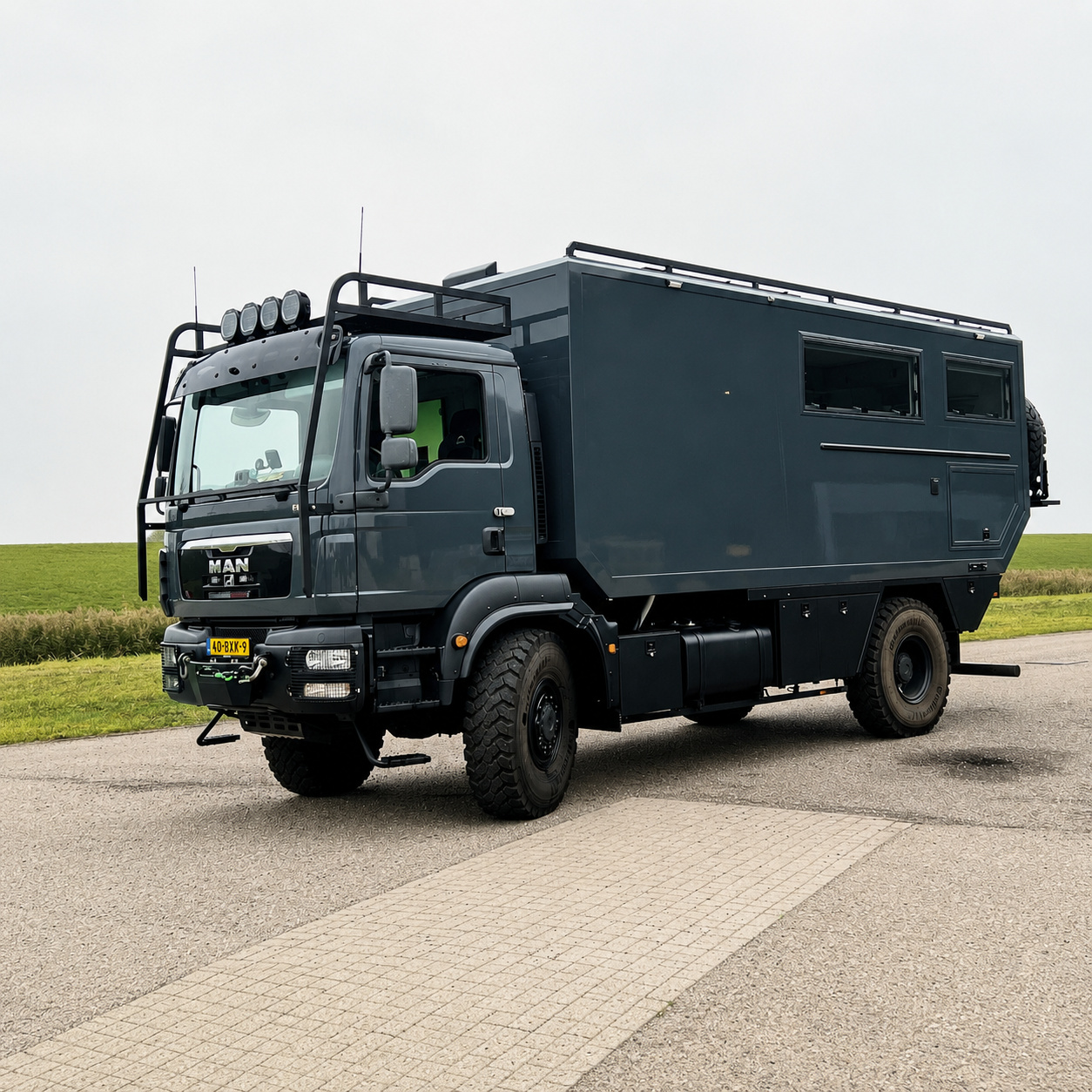
Discover this MAN TGM 4x4 Expedition vehicle by Doncamp

Discover this Mercedes Sprinter 4x4 campervan by Kiwi Van Manufaktur

Discover this Dodge RAM 3500 Expedition vehicle by Truckhouse
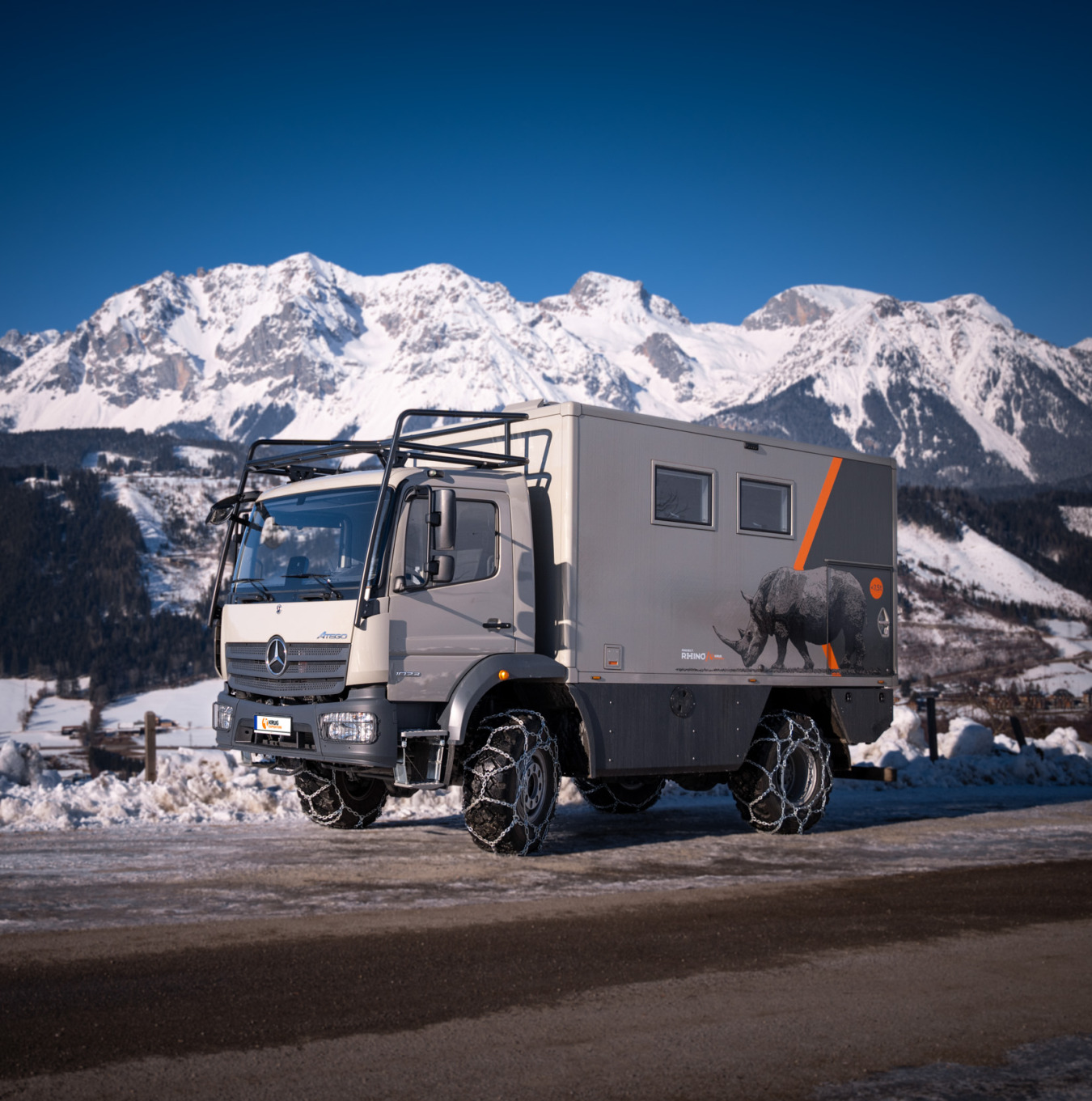
Discover this Mercedes Atego 4x4 Expedition vehicle by Krug Expedition
Want to know more?
- Windows for expedition vehicles: Double glazing vs. plastic
- The strength of fiberglass reinforced polyester
- Components for expedition vehicles
- Bonding windows, roof hatches, doors and service hatches for expedition vehicles
- Wall construction of expedition vehicles
- Temperature differences in expedition vehicles